
AEW and WWE are choosing very different paths for their summer programming
Championship focus is the new trend in Boston
AEW is heading into Boston with a clear directive that prioritizes title legitimacy over sporadic spectacle. As the spoiler report indicates, Collision is heavily anchored by three distinct championship encounters. This isn't just a random assortment of matches; it represents a fundamental shift in how Tony Khan is positioning his Saturday brand.
When a promotion focuses on hardware, the narrative stakes change. The audience isn't watching for a random collision of aesthetics; they are monitoring the career progression of talent. By stacking the card with belt-centric bouts, AEW avoids the trap of aimless mid-card feuds that often plague weekly television.
The Tom Brady curiosity gap problem
Contrast this shift toward competitive prestige with the noise surrounding Tom Brady and his desire to step into a WWE ring. Brady has publicly voiced his interest in participating in a match, specifically highlighting his willingness to work with Nick Khan to make it happen. It plays as a headline-grabbing tactic, but from a tactical standpoint, it is a creative dead end.
Bringing in a celebrity of Brady’s magnitude for a one-off performance does little to enhance the product’s long-term health. It relies on a curiosity gap—the idea that viewers will tune in solely to see if the athlete can transition to the squared circle—rather than established wrestling angles. Professional wrestling history is littered with these experiments, and they rarely result in anything other than a brief ratings bump followed by a regression to the mean.
Tactical booking in the age of spoilers
WWE is managing its own pacing ahead of mid-summer events, as seen on the July 17 broadcast from the MVP Arena in Albany. The organization is carefully constructing SummerSlam title implications through incremental storytelling. Unlike the concentrated burst of title matches AEW is utilizing in Boston, WWE prefers a methodical build toward a singular stadium show.
The issue with this slow-burn approach is that it requires high-level consistency to avoid losing the crowd's interest. A card that moves at a glacial pace risks stagnation if the in-ring work doesn't exceed a baseline of quality. We have seen instances where over-booked segments lead to diminishing returns, specifically when the television matches feel like glorified house show loops.
Defining success through consistency
Measurement for these two companies currently looks disparate because their goals are divergent. AEW is betting that prestige television—defined by frequent, consequential championship bouts—will create a habit among viewers to watch Saturday programming. It is an aggressive move. It relies on the assumption that fans crave stakes more than they crave moments.
On the other hand, the obsession with celebrity integration, as characterized by the Brady conversation, signals a reliance on mainstream attention. This is a fragile strategy. If the quality of the wrestling does not reach a 4.25-star average in these headline bouts, the spectacle fades within a week of the performance.
Where booking hits a wall
Not all of this strategy is infallible. AEW’s focus on title-heavy cards risks burning through potential dream matches too early. When you prioritize a belt for every segment, the value of a championship match drops naturally due to sheer frequency. There must be a balance between a high-stakes main event and a cooldown period for the rest of the undercard.
Similarly, the internal logic of the WWE summer roadmap hinges on a specific payoff in August that hasn't been fully earned yet. If the individual segments on SmackDown feel padded with repetitive promos rather than substantive character development, the eventual pay-per-view match will lack the emotional attachment required for a true commercial triumph. Both companies are currently standing at a crossroads of their own making.
WWE Winged Eagle Championship Mini Replica Title Belt
Own a piece of history from WWE's most iconic era.
Frequently Asked Questions
How does AEW approach its Saturday night programming?
What is the concern with WWE's celebrity booking strategy?
How does WWE's summer pacing differ from AEW's?
Why does AEW prioritize belt-centric bouts in their booking?
What are the risks of WWE's methodical storytelling style?
More Coverage
SmackDown is building towards a SummerSlam headache
2 hours ago
SmackDown is stalling and the road to SummerSlam looks messy
2 hours agoShelf Gods vs. Bedroom Championships: A Realistic Look at WWE Gear
3 hours ago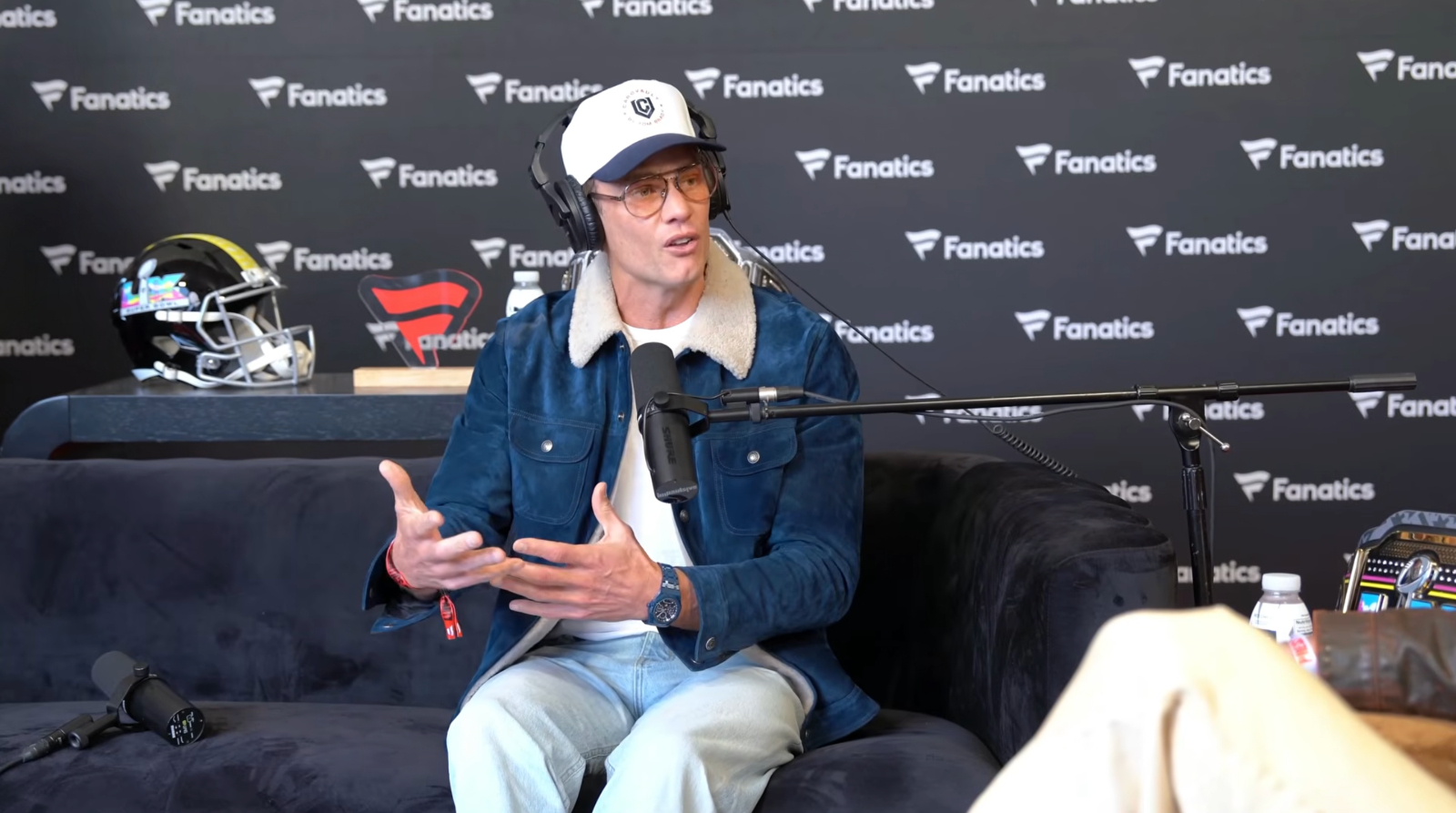
Tom Brady wanting a WWE match is a mistake the product doesn't need
3 hours agoSmackDown finally stopped talking and started throwing hands
5 hours ago
Top 10: Defining WWE Moments of 2026
6 hours agoMore Analysis
SmackDown is building towards a SummerSlam headache
2 hours ago
AEW Collision in Boston needs to stick the landing with its title bouts
2 hours ago