
WWE is pricing out the very fans who built this empire
The commercial fever dream of modern wrestling
It started with a dream, though not the kind usually associated with championship aspirations. A former WWE star recently admitted to a recurring nightmare triggered by the sheer volume of advertisements saturating the current product. Since the TKO takeover and the migration to Netflix, the broadcast flow has been chopped into segments that prioritize commercial beats over the natural rhythm of a match. This isn't just a minor annoyance; it’s a fundamental shift in how the sport is consumed. When the cadence of a 15-minute main event is dictated by ad-load rather than in-ring psychology, the viewer loses the thread of the story being told between the ropes.
The tactical fallout of this shift is obvious to anyone watching the technical transitions. Wrestlers are now forced to work toward 'commercial breaks' rather than working toward a finish. This creates a stop-start dynamic that hurts high-velocity performers who rely on building momentum. We are seeing a homogenization of match structures where the middle six minutes are often spent in a rest-hold or a low-impact heat segment, waiting for the red light to go off. It’s a jarring evolution from the era of long-form storytelling that fans were promised when the streaming deals were first inked.
This commercialization extends far beyond the television screen. The pricing for live events is reaching a level of absurdity that feels like a direct assault on the working-class fan base. We are seeing VIP packages for overseas events that include pasta-making sessions with talent for thousands of dollars. It’s a cynical move to turn a sporting event into a luxury concierge service. While Nick Khan’s corporate strategy has undeniably boosted the bottom line, it is simultaneously eroding the accessibility that made WWE a global powerhouse in the first place.
The business of the Beast and the Khan effect
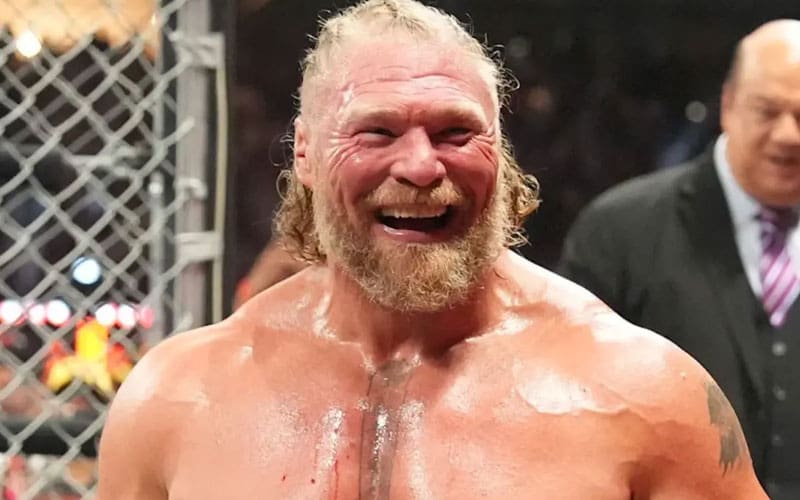
Brock Lesnar’s return in 2025 was never about the 'love of the game,' regardless of what the marketing material suggests. The Beast Incarnate is a tactical businessman, and his recent return underscores the leverage that established stars hold in the TKO era. Lesnar doesn't come back for the creative challenge of working with a new generation; he comes back when the market conditions are perfect. With Nick Khan facilitating these high-level deals, the focus has shifted entirely toward 'attraction wrestling' rather than consistent roster development.
Matt Cardona’s recent interactions with the office further highlight this. Cardona, the self-proclaimed 'Indy God,' understands the value of his brand better than almost anyone outside the top tier of the company. His return wasn't a matter of if, but a matter of when the numbers aligned with Khan's vision for a 'premium' roster. This is the new WWE blueprint: hunt for established brands that can be plugged into a WrestleMania-sized machine without the need for long-term investment in character arcs. It’s efficient, yes, but it lacks the organic growth that defined the industry for decades.
We see this premium pricing model expanding globally. The upcoming events in Italy are a test case for just how much a fan is willing to pay for proximity. When a 'bus tour' or a cooking class is priced at a level that rivals a mortgage payment, the company is sending a clear message about who they value. The average fan who used to save up for a ringside seat is now being pushed to the upper decks to make room for the 'experience' buyers. It’s a strategy that looks great on an earnings call but feels hollow in the arena.
The Jinder Mahal regret and technical stagnation
Looking back at the career of Jinder Mahal provides a sobering counter-narrative to the current hype. Mahal recently opened up about his biggest regret in the business: he didn't innovate often enough. In his own words, he didn't pull out 'something new' during his high-profile runs. This is a fascinating admission from a man who held the top prize in the industry. Mahal’s 2017 title reign was often criticized for its repetitive structure—the distraction from the Singh Brothers followed by the Khallas. It was a formula that worked for a few months but eventually became a tactical dead end.
Jinder Mahal admitted he didn't pull out something new often enough, a regret that highlights the difference between a champion and a legend in this business.
Mahal revealed that Vince McMahon’s advice was often focused on the optics and the presence rather than the technical evolution. While that worked in the 1980s, it’s a recipe for irrelevance in 2026. The modern fan expects a level of technical fluidity that Mahal, by his own admission, failed to provide. His move-set remained static while the industry moved toward the hybrid styles we see in NXT and TNA today. It’s a cautionary tale for any wrestler who thinks that a good physique and a signature finish are enough to sustain a career at the top level.
The contrast between Mahal’s regret and the current crop of talent is sharp. In NXT, we see performers like Kelani Jordan who are constantly tweaking their aerial displays. Jordan recently noted that the biggest difference between WWE and TNA is the freedom to experiment with different wrestling styles. In TNA, the emphasis is often on the 'X-Division' philosophy—high-speed, high-risk innovation. WWE, even under the new regime, still leans toward a more controlled, 'television-ready' style that can feel restrictive to those who want to push the boundaries of what is possible in the ring.
The TNA bridge and the path of Elayna Black
The partnership between WWE and TNA has become a vital valve for the industry. It allows talent to gain experience without the crushing pressure of the main roster spotlight. Elayna Black’s choice to join TNA after her WWE release is a perfect example of this tactical career management. Instead of languishing in a crowded developmental system or taking a 'take-it-or-leave-it' deal, she chose a promotion that would allow her to be a focal point of the division. This kind of movement is healthy for the industry, even if it feels like a temporary arrangement.
However, we have to be critical of how these 'alliances' are used. Often, they serve as a way for WWE to scout talent on someone else's dime. If a wrestler excels in TNA, the road back to Stamford is paved with a much higher price tag. This creates a weird hierarchy where TNA essentially functions as a high-budget developmental territory. For fans, it's great to see cross-promotional matches, but for the long-term health of TNA as an independent entity, the benefits are less certain. It’s a lopsided trade-off where the bigger machine always wins in the end.
With **AEW Dynasty 2026** only five days away on March 30, the competition is heating up. AEW still offers a legitimate alternative for fans who are tired of the 'premium experience' pricing of the TKO era. While AEW has its own issues with roster bloat and inconsistent booking, they haven't yet started charging five figures for a pasta-making session with the Young Bucks. There is a grit to the AEW product that WWE is fast losing in its quest for corporate perfection. The tactical analyst looks at the AEW card and sees a variety of styles that WWE’s commercial-break-heavy format simply can’t accommodate right now.
Legacy and the Hall of Fame standard
The recent induction of Sid Vicious into the Hall of Fame serves as a reminder of what 'star power' used to look like. Sid didn't need a VIP bus tour or a Netflix deal to be a main-event attraction. He had an aura that was built on a simple, terrifying presence and a power-game that felt legitimate. His family’s revelation about the induction process shows a side of the company that still cares about its history, even if that history is being sold off in pieces to the highest bidder. Sid was a man who understood the 'less is more' approach—a lesson Jinder Mahal seemingly learned too late.
The problem with the current era is the noise. There is too much content, too many ads, and too many tiers of fandom based on bank account size. When we look back at the 1990s, the connection between the fan and the wrestler was direct. Now, it feels mediated by a dozen different corporate layers. The 'Beast' returns for a check, the 'Indy God' returns for a brand reset, and the fans are left wondering if they can even afford to attend the show anymore. It’s a brilliant business model, but as a sport, it’s becoming increasingly difficult to recognize.
We are 25 days away from WrestleMania 41 in Las Vegas. Cody Rhodes will defend his title in Allegiant Stadium, and the spectacle will be undeniable. But as the lights go up and the pyro goes off, there will be a segment of the audience that remembers when a ticket didn't require a loan. If WWE continues on this trajectory of extreme commercialization and exclusionary pricing, they might find that the 'experience' they are selling is one that the average fan no longer wants to buy. The business is booming, but the soul of the industry is currently hidden behind a paywall.
WWE Elite Collection Series 110 Drew McIntyre Action Figure
Highly poseable, museum-quality action figures for the true collector.
More Coverage
When Ozzy wasn't looking: The weirdest wrestling crossover of the year
5 hours ago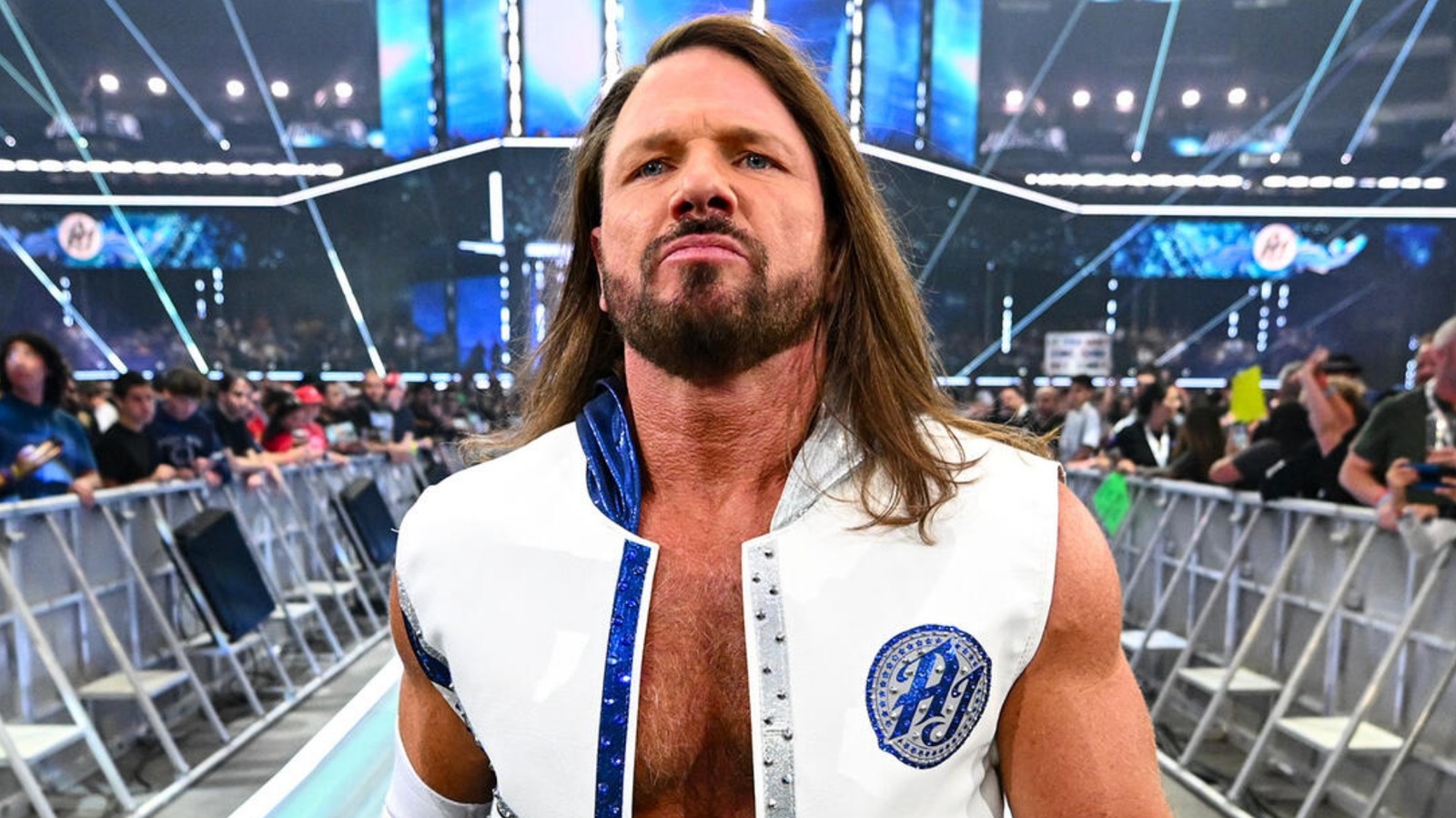
AJ Styles is reflecting on his legacy while others look elsewhere
5 hours ago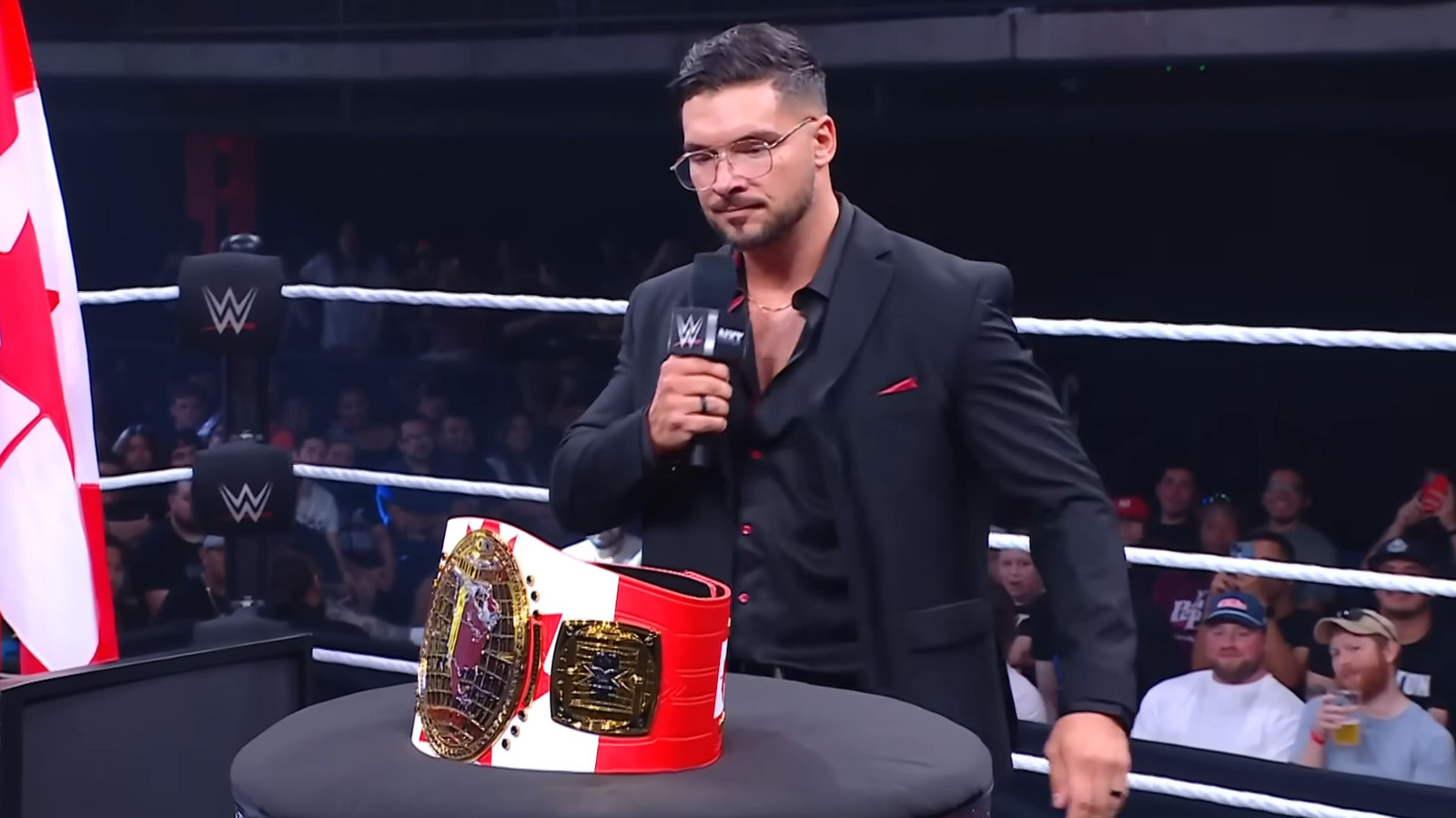
Ethan Page is playing a dangerous game with his ego in NXT
6 hours ago
Ethan Page says his custom NXT title was the real top prize and fans are split
6 hours agoGear Check: Sorting the Must-Haves from the Merch Table Filler
7 hours ago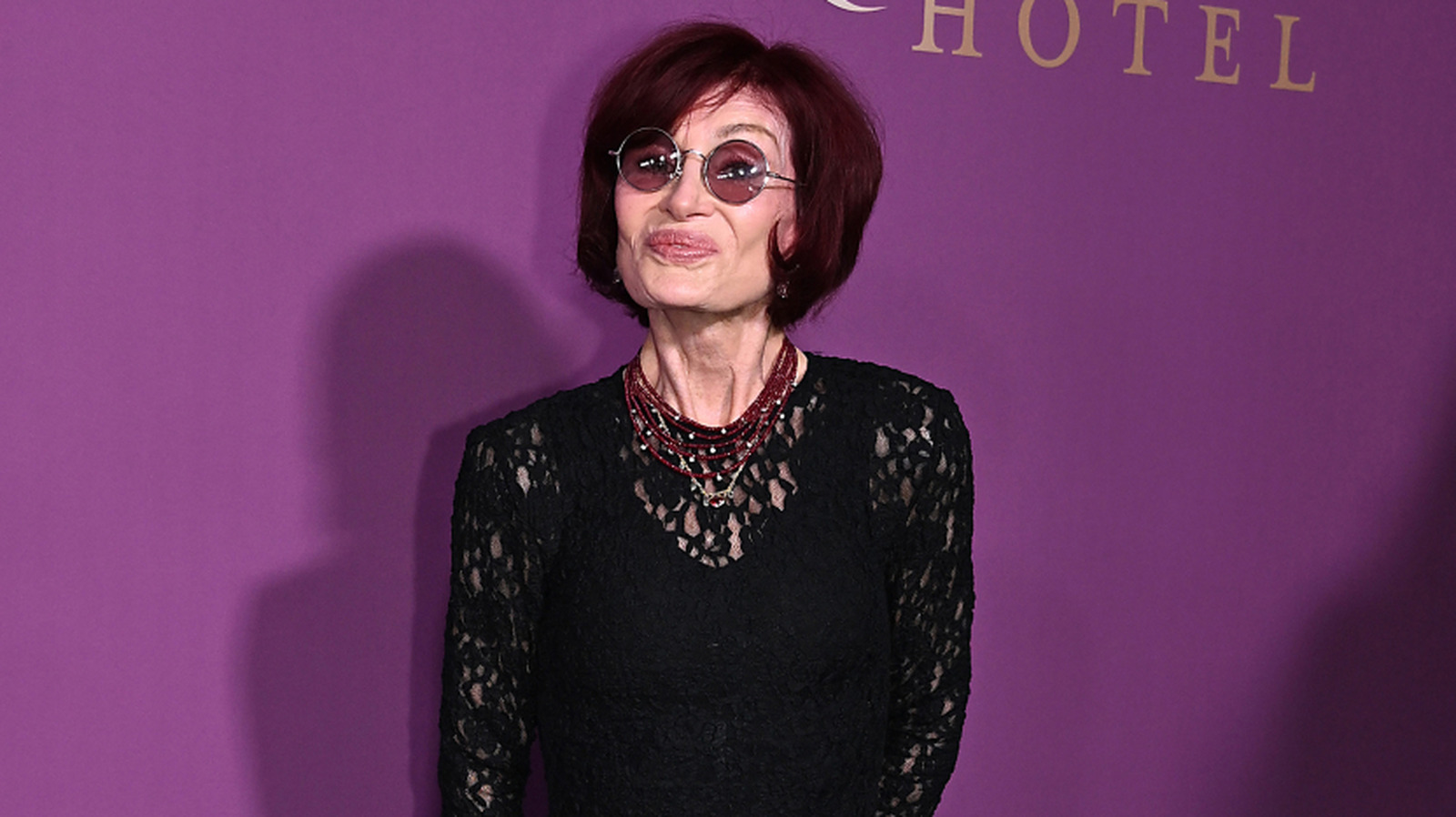
Why CM Punk vs Cody Rhodes is a game of psychological chicken
7 hours agoMore Analysis
WWE is charging for pasta classes while Netflix ads ruin our dreams
3 months, 3 weeks ago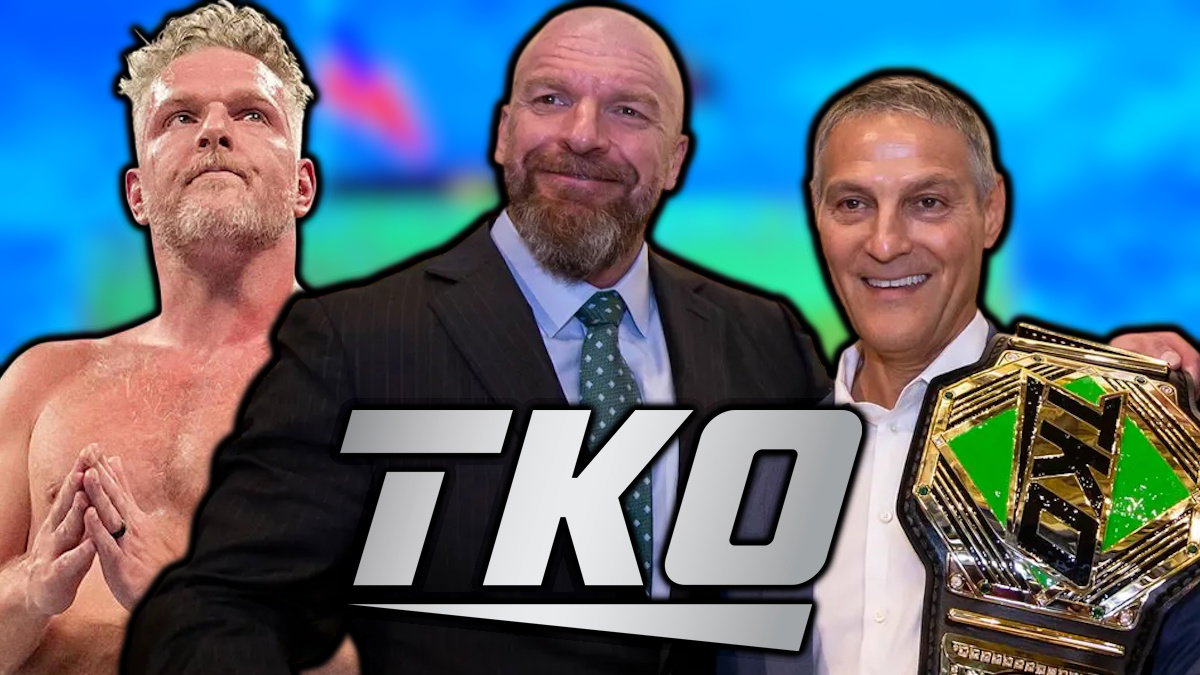
TKO is stripping the soul out of WWE to please their Las Vegas investors
2 months, 3 weeks agoWWE's 34 percent price hike turns loyalty into a tiered calculation
6 days, 21 hours ago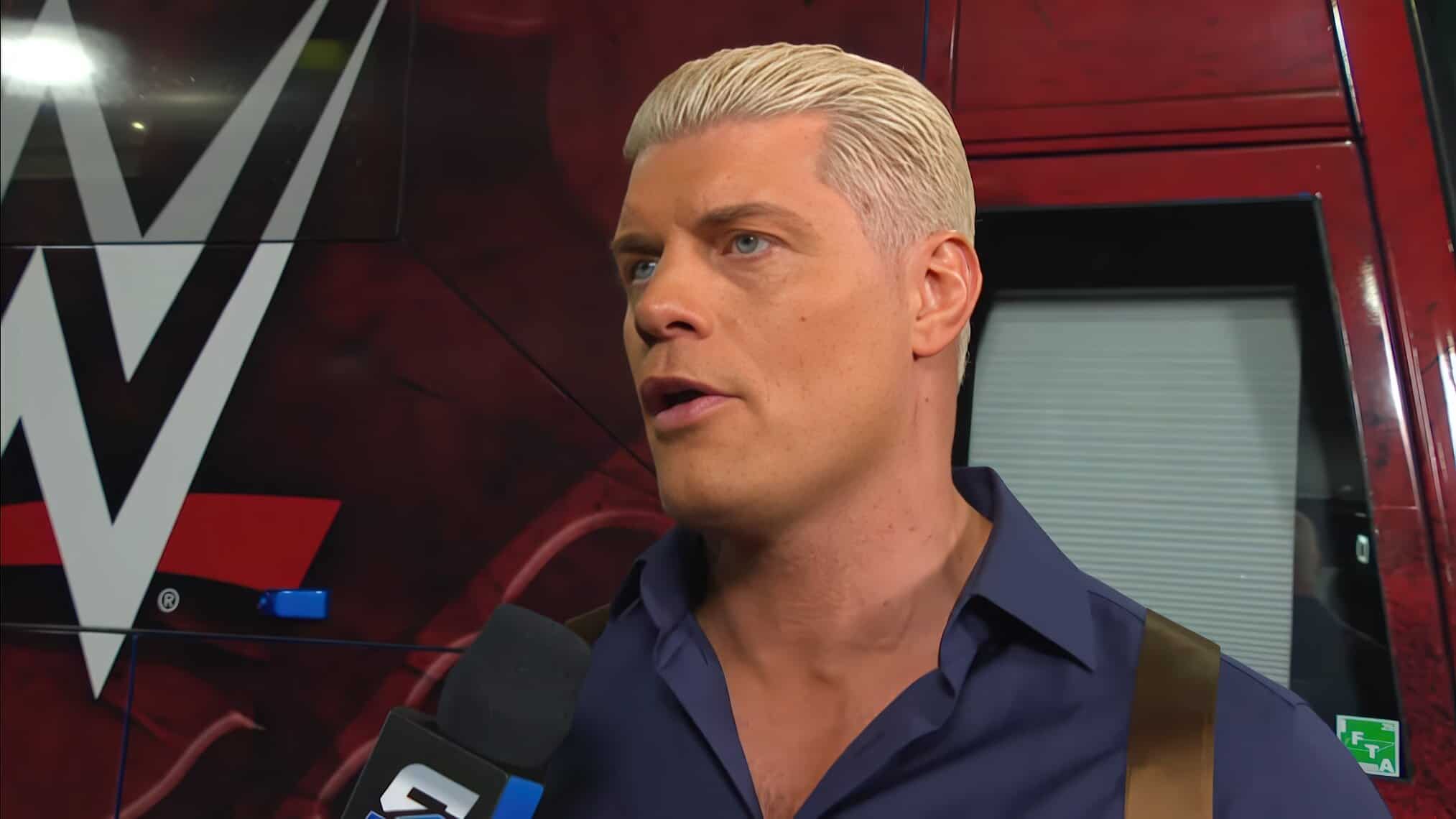
Cody's Golden Bus: A Ride Most Fans Can't Afford
3 months, 2 weeks ago