The Era of the Three-Thousand Dollar Gnocchi
Welcome to March 25, 2026, where the road to WrestleMania 41 has officially turned into a high-end luxury car dealership. We are exactly 25 days away from the neon-soaked chaos of Las Vegas, and the buzz isn't just about whether Cody Rhodes can survive the Bloodline. It’s about the fact that WWE is now apparently a travel agency for people with way too much disposable income.
Social media is currently melting down over the recently announced VIP packages for Clash in Italy. We aren't just talking about front-row seats and a sweaty handshake anymore. WWE is offering a package that includes a pasta-making class. Yes, you read that correctly. For a price that would make a Saudi Prince blink, you can learn how to roll dough while a midcarder watches you. It is the peak of the TKO era, and fans are divided into two very loud, very angry camps.
WWE’s premium event pricing isn’t just sticking around — it’s expanding globally, and the latest example might be one of the most…
One side thinks this is the natural evolution of a global media juggernaut. If people are willing to pay for it, why not take their money? The other side—the people who actually remember what it’s like to buy a nosebleed ticket for fifty bucks—thinks the soul of the business is being sold for a bowl of fettuccine. It’s the ultimate gatekeeping move. If you can’t afford the $2,500 entry fee for the "Authentic Experience," are you even a real member of the WWE Universe?
What the Internet is screaming about
"RomanEmpire92: I’ve been a fan since the Attitude Era, and I’ve never felt more priced out. I want to see a Powerbomb, not learn how to make a marinara sauce. Who is this even for? It feels like WWE is trying to become F1, but with more spandex and fewer tires."
"StonksAndSuplexes: People complaining about the price just don't get the business. TKO is maximizing value. If you don't want the pasta, don't buy the package. The arena will still be full, and the gate will be a record. Cry about it while I'm eating ravioli with Grayson Waller."
"IndieLover88: This is why I'm watching TNA. At least there I can get a ticket for the price of a burger and not feel like I'm funding Nick Khan’s next yacht. The corporate rot is real, folks. We’re losing the 'sport' in sports entertainment."
The Netflix Ad-Pocalypse is causing literal nightmares
If the pricing doesn't kill your enthusiasm, the commercial breaks might. We’ve been on Netflix for a while now, and the honeymoon phase is officially over. Remember when we thought no commercials meant more wrestling? We were so young and naive. Instead, we’ve traded traditional TV ads for a relentless barrage of internal sponsors and mid-match interruptions that are apparently breaking the brains of the talent.
As WrestleTalk reported, one former WWE star even admitted to having a literal "bad dream" because of the sheer volume of advertisements during Raw. Think about that for a second. The product is so saturated with corporate synergy that it’s invading the subconscious of the people who used to work there. We’ve gone from "The Beast Incarnate" to "The Beast Sponsored by DraftKings and Red Bull."
The flow of the matches is suffering. You’re watching a high-stakes encounter, someone hits a suicide dive, and before they even bounce off the floor, we’re cutting to a graphic for a bus tour or a new energy drink. It’s jarring. It’s exhausting. And for the fans at home, it’s making the three-hour slog of Raw feel like a 180-minute commercial with occasional wrestling breaks. It’s the opposite of the "premium" feel they’re charging for in Italy.
Returns, Regrets, and the TNA Escape Pod
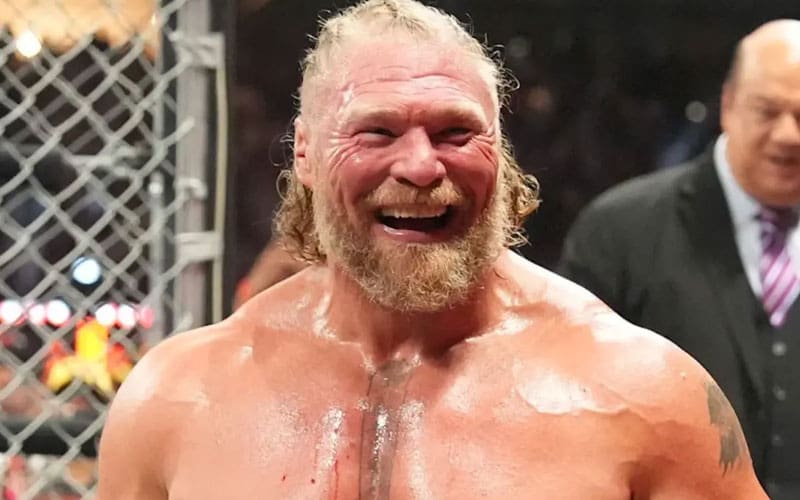
While we’re complaining about prices and ads, the locker room is shuffling like a deck of cards. Brock Lesnar is back, and the reasons are supposedly "real," though we all know the realest reason starts with a dollar sign and ends with a lot of zeros. Then you have Matt Cardona, the king of the indies, who is reportedly heading back to the big leagues thanks to Nick Khan. The "Indie God" returning to the corporate machine is the ultimate irony, but in 2026, you go where the money is.
But not everyone is sprinting for the WWE exit. Elayna Black recently revealed she chose TNA over other offers after her WWE release. It’s a fascinating move. While WWE becomes this untouchable luxury brand, TNA is positioning itself as the place where you can actually, you know, wrestle. Kelani Jordan even noted that the biggest difference between the two is the vibe—WWE is a massive production, while TNA feels like a hungry locker room. Sometimes, the "biggest" isn't the "best."
Then there’s Jinder Mahal. The former champion recently opened up about his biggest regret: not pulling out "something new" often enough during his run. It’s a rare moment of honesty in a business built on ego. Jinder admitted that he didn't innovate when he had the spotlight. It’s a cautionary tale for the current roster. You can have the title, the entrance, and the 1.3 billion fans in India, but if you're stale, the fans will turn on you faster than a heel in a cage match.
The Fan Verdict
"HardcoreHenry: Brock coming back is fine, but can he actually work a match longer than five minutes? I’m tired of the part-time suplex city routine. Give me some of that TNA energy where people actually look like they want to be there."
"BookingGod: Jinder’s honesty is refreshing. Most of these guys today are just happy to be on the poster. At least he knows he left meat on the bone. Hopefully, the current crop is taking notes before they get replaced by another nostalgia act."
The Analysis: Are we being played?
Here is the cold, hard truth: WWE doesn't care if you think the pasta is too expensive. They don't care if the Netflix ads gave you a night terror. They are successfully transitioning from a wrestling company to a global lifestyle brand. They want the same people who go to Coachella to go to WrestleMania. They want the people who spend $500 on a dinner to think that making pasta with a wrestler is a "steal."
The problem is that wrestling was built on the backs of people who didn't eat at Michelin-starred restaurants. It was built on the blue-collar fans who wanted to see a guy get hit with a chair because their boss was a jerk. By pivoting so hard toward this "VIP" culture, WWE is risking its foundation. They’re trading loyalty for luxury. It might look great on a quarterly earnings call, but it feels hollow when you’re sitting in the tenth row and realize you’re surrounded by influencers who can’t name a single member of the Bloodline.
The stronger argument lies with the skeptics. While the "business is booming" crowd loves the numbers, the product is losing its grit. You can’t have a "rebellion" or a "revolution" when the show is presented as a sanitized, corporate-approved experience for the 1%. Jinder’s regret about not being "new" enough is something the entire company should consider. If you keep selling the same old nostalgia and the same old luxury packages, eventually, the bubble is going to pop. And no amount of homemade fettuccine is going to fix it.