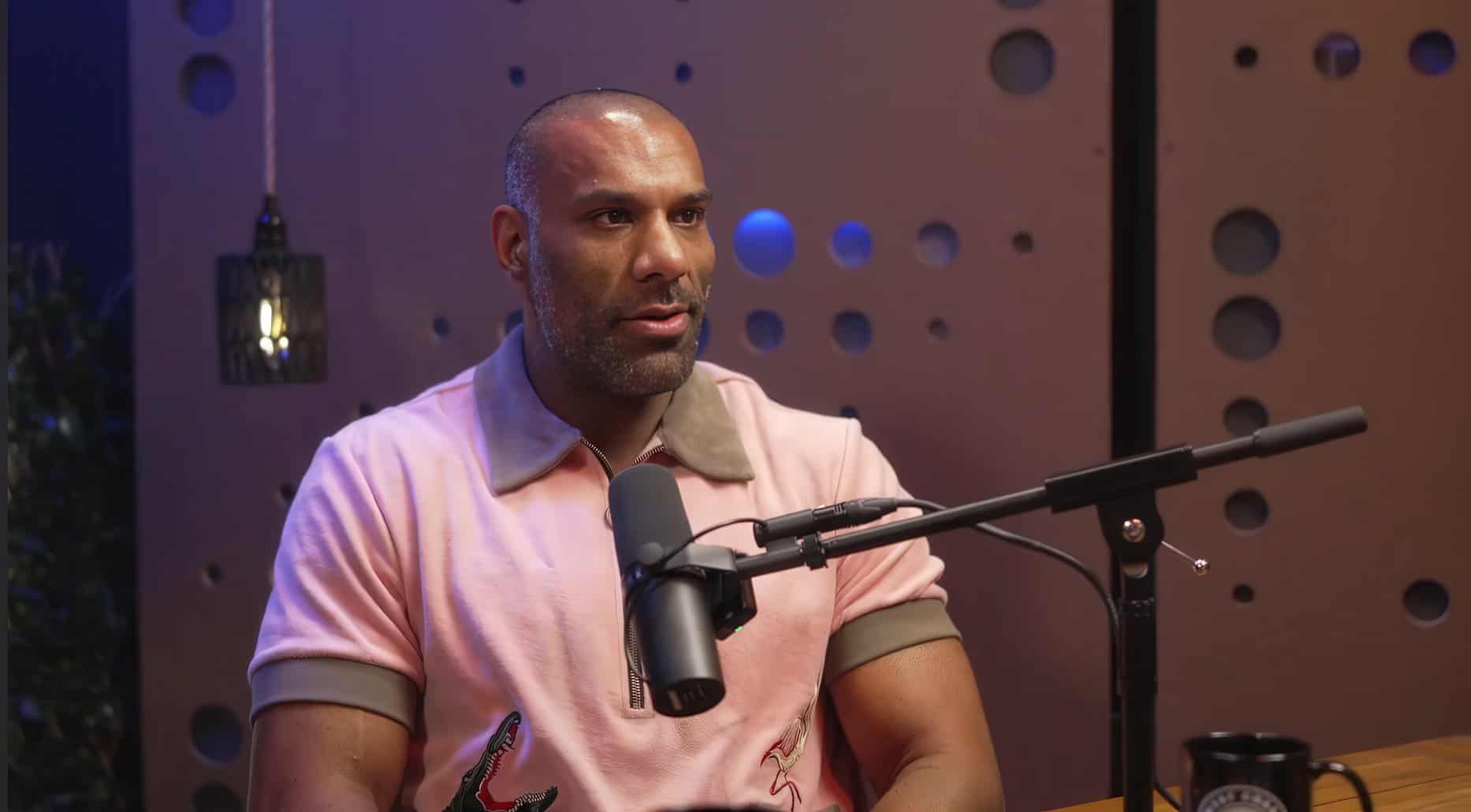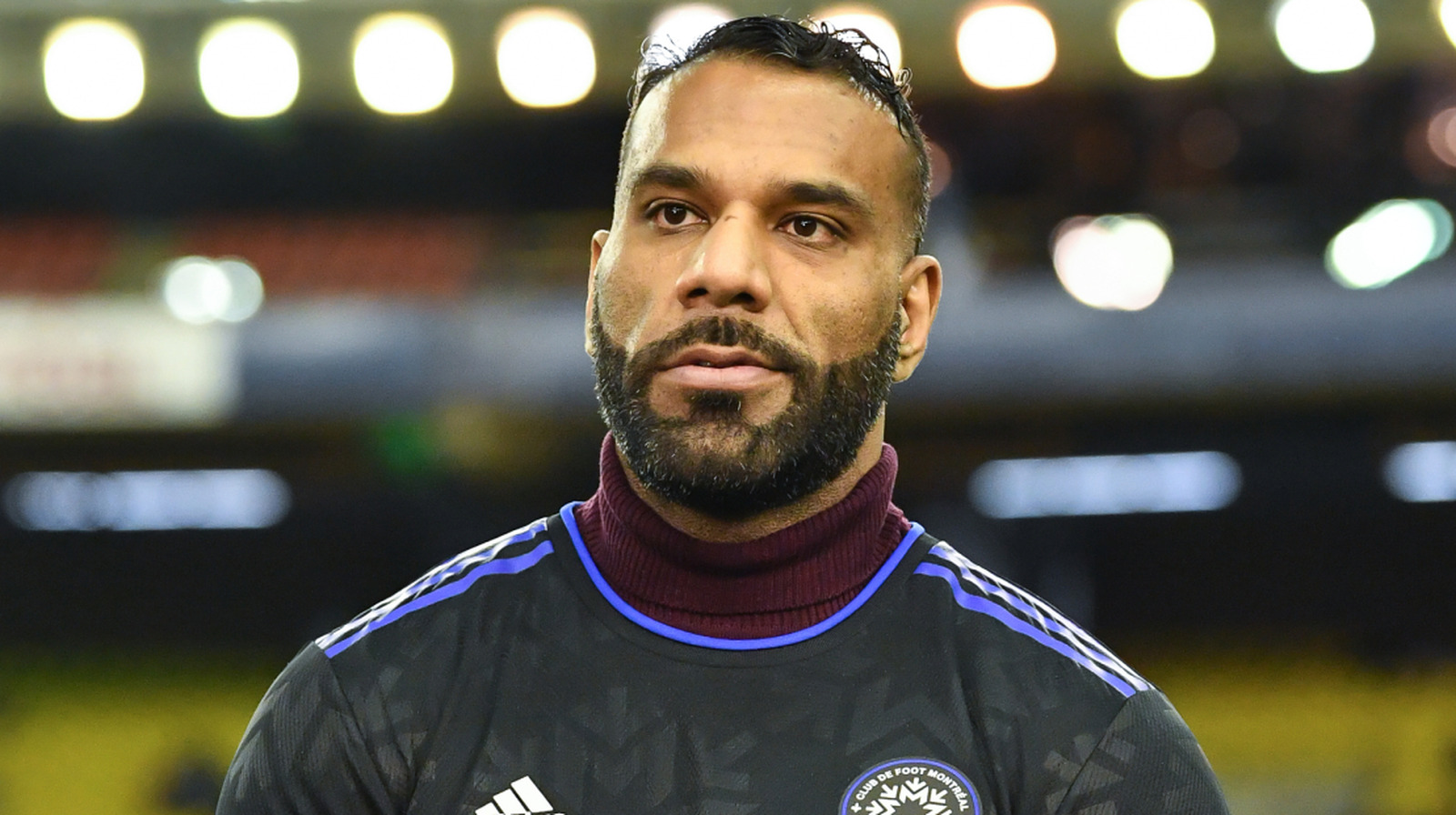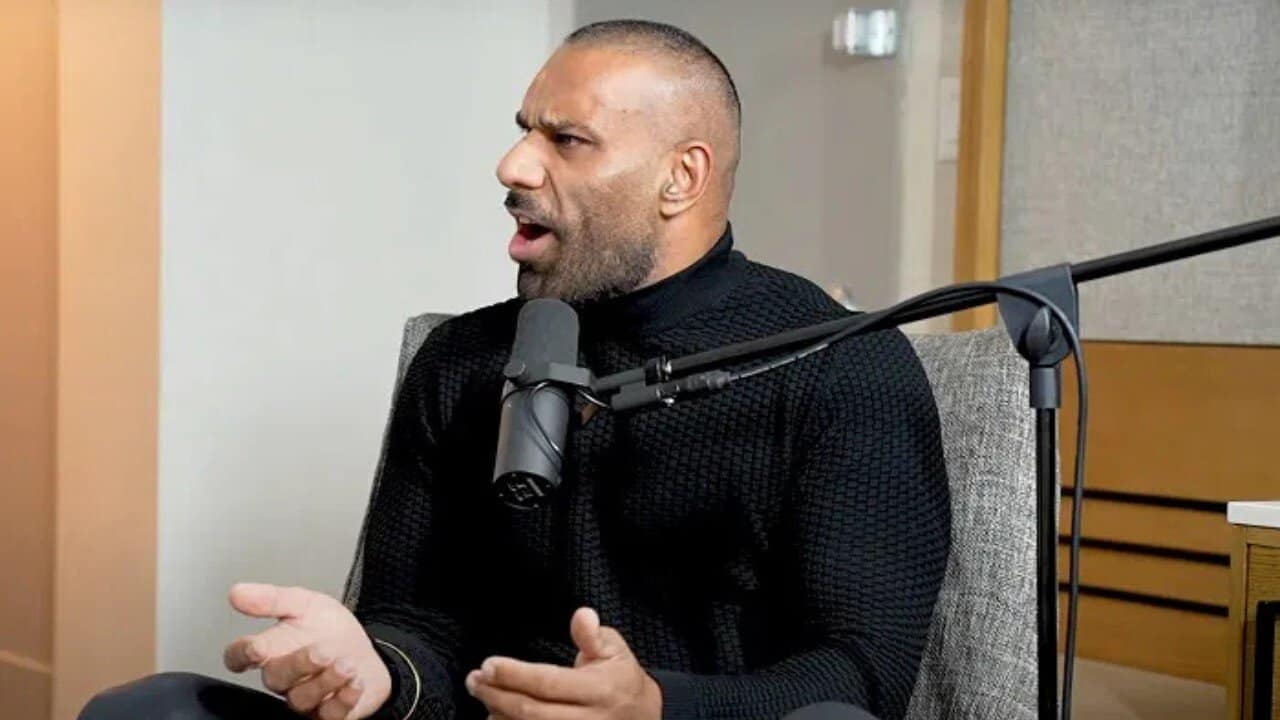
We are sitting here on Wednesday, March 25, 2026. WrestleMania 41 is exactly 25 days away. The wrestling world is completely consumed with Cody Rhodes, CM Punk, and the Bloodline drama heading into Vegas. And right in the middle of this absolute hurricane of hype, an unexpected ghost from SmackDown past decides to speak up.
Jinder Mahal just dropped a quote that has the internet tearing itself apart.
According to a new piece dropping over at WrestlingNews.co, the Modern Day Maharaja recently reflected on his WWE career. His biggest regret? He says he didn’t pull out "something new often enough."
He is talking about his in-ring work. He is talking about the matches. He is talking about the six-month WWE Championship reign from 2017 that permanently rewired how we view random midcard pushes.
And naturally, Reddit and Wrestling Twitter have exploded. It is a beautiful, toxic mess of revisionist history, lingering bitterness, and contrarian hot takes. I have spent the morning wading through the mud.
Here is exactly how the fanbase is breaking down this admission.
The Diehards: We Told You So Nine Years Ago
If you were watching SmackDown Live in 2017, you remember the formula. It was burned into our retinas.
Let's really look at the anatomy of a Jinder Mahal title defense. Here is the exact blueprint we saw every single month:
- Five minutes of very slow pacing, mostly featuring basic strikes and stomps in the corner.
- The babyface hits their signature comeback sequence and goes for the pin.
- Sunil and Samir Singh jump on the apron to distract the referee.
- The babyface turns around, chases the brothers, or hits them with a finisher.
- Jinder recovers, sneaks up from behind, and hits the Khallas for the win.
This happened at Money in the Bank. It happened at Battleground. It happened at SummerSlam. The repetition became a running joke.
The hardcore fans are taking a massive victory lap today. They feel completely vindicated.
"He literally just admitted what we screamed about for six straight months. The matches were copy-paste. Every single pay-per-view. Randy Orton, Shinsuke Nakamura, it didn't matter. Same match. Same finish. You can't be a main eventer with three moves and a distraction finish."
Another prominent forum poster didn't hold back either. "It wasn't just that he needed something new. He needed an actual main event skillset. He went from losing three-minute matches on Raw to beating Randy Orton for the title in three weeks. You don't magically learn ring psychology on the job while holding the company's top prize."
Are they right? Yes. They absolutely are.
The criticism at the time wasn't just that Jinder was a bad worker. It was that he wrestled like a guy who was terrified of making a mistake. He worked a very safe, very plodding, very basic style. When you are following guys like AJ Styles and Seth Rollins on the card, a basic chinlock isn't going to cut it. His matches sucked the absolute life out of arenas.
He didn't need to suddenly do Canadian Destroyers. He just needed a secondary finisher. He needed a signature submission. He needed something to make the fans bite on a near-fall before the inevitable Singh Brothers run-in.
The Contrarians: You Guys Just Got Worked
But this is the internet in 2026. Every action has an equal and opposite reaction. For every fan trashing Jinder's work rate, there is a vocal defender claiming he was an underrated genius.
The contrarian take is spreading like wildfire today.
"Jinder was a traditional heel, and you marks just hated that he didn't do cool flips," argued one highly upvoted comment on the squared circle subreddit. "He looked like a final boss. His entrance was top five in the company. He got genuine, visceral heat. Your boos weren't 'go away' heat, you were just mad that the bad guy kept winning."
Another user chimed in on the presentation. "Look at the state of some of the champions we've had since. Jinder wore suits. He carried himself like a champion. He did international media tours. He played the part perfectly. His job wasn't to put on five-star bangers, it was to make you want to see Nakamura kick his head off."
And then you have the entrance. Let's talk about the entrance for a second. The deep red lighting, the intricate graphics, the booming music. When Jinder walked out to that stage, holding the championship, wearing a tailored suit, he looked like the biggest star in the entire company. He looked like money.
I have to be honest though. I absolutely hate this argument.
It is the lazy defense of every bad wrestling reign in history. The whole 'he was just doing his job as a heel' excuse ignores the fundamental reality of professional wrestling. Yes, a heel is supposed to make you mad. But they are also supposed to make you want to watch the product.
During Jinder's reign, SmackDown ratings actually suffered. People weren't tuning in hoping to see him get beat. They were changing the channel because the matches were boring. That isn't getting worked. That is just bad television.
The presentation was incredible. I will give them that. The carpet, the lighting, the music. He looked the part. But the second the bell rang, the illusion completely shattered.
The Casual Observers: Wait, That Really Happened?
There is a third group reacting to this quote today. The fans who dropped off the product in the late 2010s and came back during the recent Bloodline boom.
They are looking at the timelines and their brains are breaking.
"Wait, the 3MB guy was WWE Champion? Like, the actual WWE Championship? For how long? Over who?"
It is genuinely funny trying to explain the summer of 2017 to someone who wasn't there. You have to explain that WWE wanted to expand into India, so they took a guy who was literally getting pinned by Mojo Rawley on the WrestleMania 33 kickoff show just weeks prior, juiced his presentation to the moon, and had him beat Randy Orton at Backlash.
And it wasn't just a quick fluke win. He held the title for a full 170 days. He carried it into Hell in a Cell. He main evented international tours. He cut promos in Punjabi while the crowds chanted for literally anybody else.
It feels like a fever dream. We had a Punjabi Prison match. The Great Khali returned, grabbed a title belt, and then immediately disappeared again. Shinsuke Nakamura lost back-to-back title matches.
It all ended on a random episode of SmackDown in Manchester, England, when AJ Styles mercifully hit the Phenomenal Forearm and won the belt. The pop in that arena was the sound of a hostage situation ending.
The Final Verdict on the Maharaja
So, who wins this argument?
Jinder Mahal's self-assessment is surprisingly accurate, but it also misses the larger point. He says his regret is not pulling out something new.
But even if he had added a spinebuster or a cool new suplex to his arsenal, it wouldn't have saved the 2017 reign.
The fatal flaw of Jinder Mahal's main event run wasn't just his moveset. It was the absolute lack of foundational credibility. The fans are explicitly told every week that wins and losses matter. We are told there is a hierarchy. When you completely shatter that hierarchy overnight for purely corporate reasons, the fans reject the experiment.
Jinder worked hard. Nobody denies that. He got into ridiculous physical shape. He learned his promos. He hit his marks. But he was placed in an impossible situation. You cannot force-feed a midcard act to an audience that has already spent five years watching that act stare at the lights.
It is actually refreshing to hear him admit his in-ring shortcomings. In an industry built on massive egos, a guy looking back and saying, 'Yeah, I probably should have expanded my game,' is rare.
He will always be in the record books. He has a WWE Championship reign. He is forever etched in that lineage next to Bruno Sammartino, Hulk Hogan, and Stone Cold Steve Austin. Nobody can ever take that away from him.
But as the fans arguing online today prove, nobody is ever going to let him forget how those matches actually looked, either. He was a guy playing a role he wasn't quite ready for, relying on a deeply flawed playbook. And adding one new move every three months wasn't going to fix a foundation that was cracked from the very start.