The numbers don't lie, but they do tell a story
The television ratings for the April 24 edition of SmackDown are officially in. While the raw numbers will inevitably be dissected by every wrestling blog on the internet, the real story isn't just about how many people tuned in. It is about when they tuned in, and what that tells us about WWE's creative direction heading into Backlash.
We are just over a week removed from WrestleMania 41 in Las Vegas. Cody Rhodes successfully defended the WWE Championship, and the Bloodline saga took another dramatic turn. Historically, the post-WrestleMania drop-off is a very real phenomenon. Fans invest heavily in the road to the biggest show of the year, and then take a collective breath once the confetti is swept up.
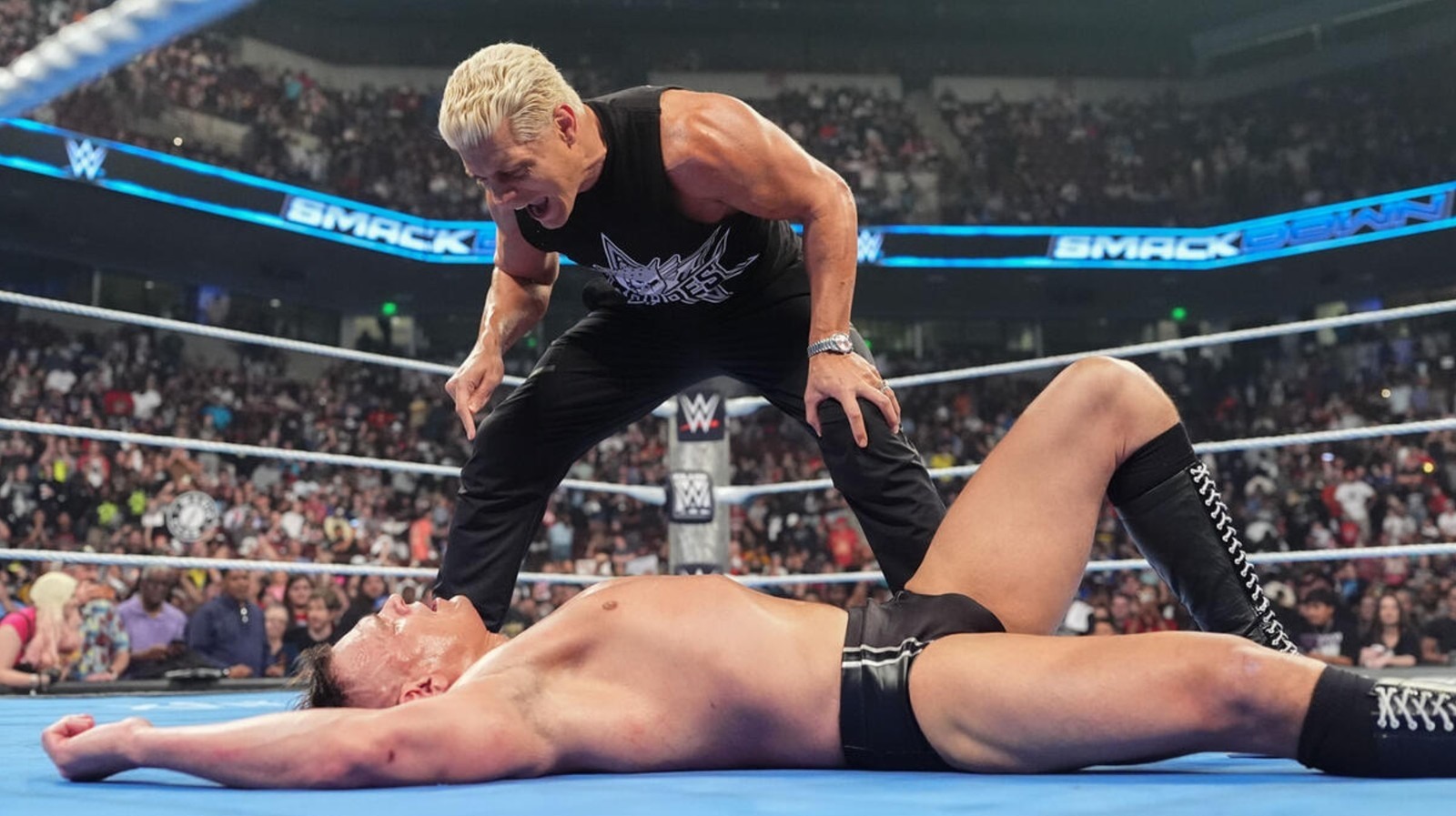
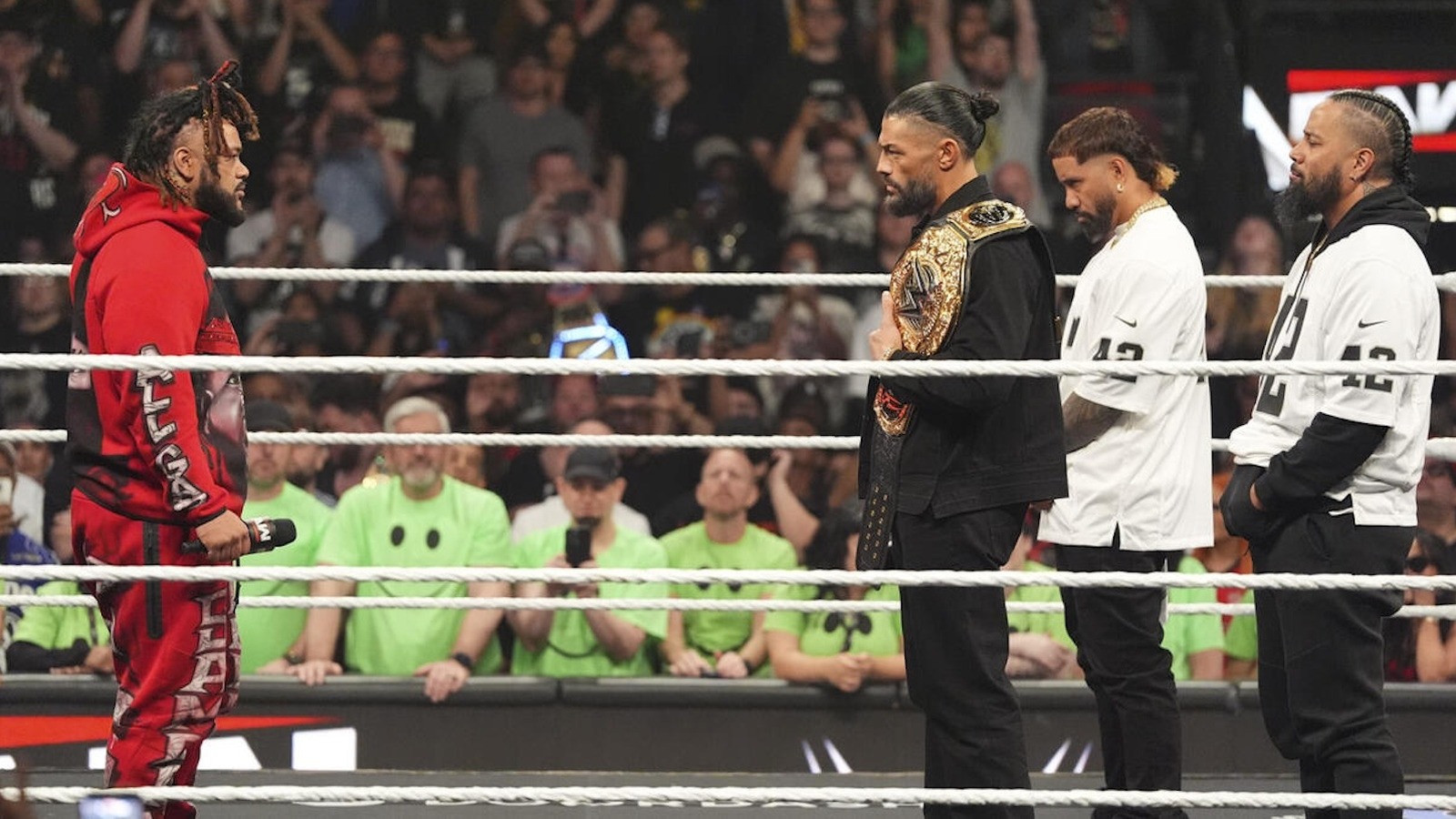
This year, the audience retention tells a different tale. Viewers are sticking around. They aren't just tuning in to see the new champions parade around with their belts; they are tuning in because the unresolved tension between Cody Rhodes and the remnants of Roman Reigns' faction is compelling television.
This sustained interest isn't accidental. Triple H and the creative team have clearly learned from past mistakes where post-WrestleMania storylines felt like an afterthought. By keeping the Bloodline narrative front and center on Friday nights, they have ensured that the April 24 SmackDown audience remained highly engaged. This directly informs what we are going to see on May 9 in France.
Analyzing the quarter-hour metrics
If you break down the typical SmackDown viewership, the patterns are highly predictable. The opening segment draws the initial pop, followed by a steady decline until the top-of-the-hour crossover, and finally a surge for the main event angle. But looking at the post-WrestleMania shows, the valley in the middle of the broadcast is shallower than usual.
Why? Because WWE is spacing out the narrative hooks. Instead of blowing all their creative capital in the first twenty minutes, they are threading the needle throughout the entire two hours. A backstage segment at 8:30 PM, a run-in at 9:15 PM. This structural shift is designed to manipulate the viewer into staying put.
When you track the specific segments featuring Cody Rhodes, the numbers jump. This is the clearest indication we have that the audience accepts him not just as a chaser, but as the established champion. The chase is always easier to book than the reign, but the April 24 data suggests WWE is navigating the transition successfully.
Predicting the Backlash main event
Let's look at the trajectory. Cody Rhodes is the undisputed face of the company. The merchandise numbers, the crowd reactions, and the consistent television viewership all confirm this. But a hero is only as good as his villains, and the current iteration of the Bloodline is serving that purpose perfectly.
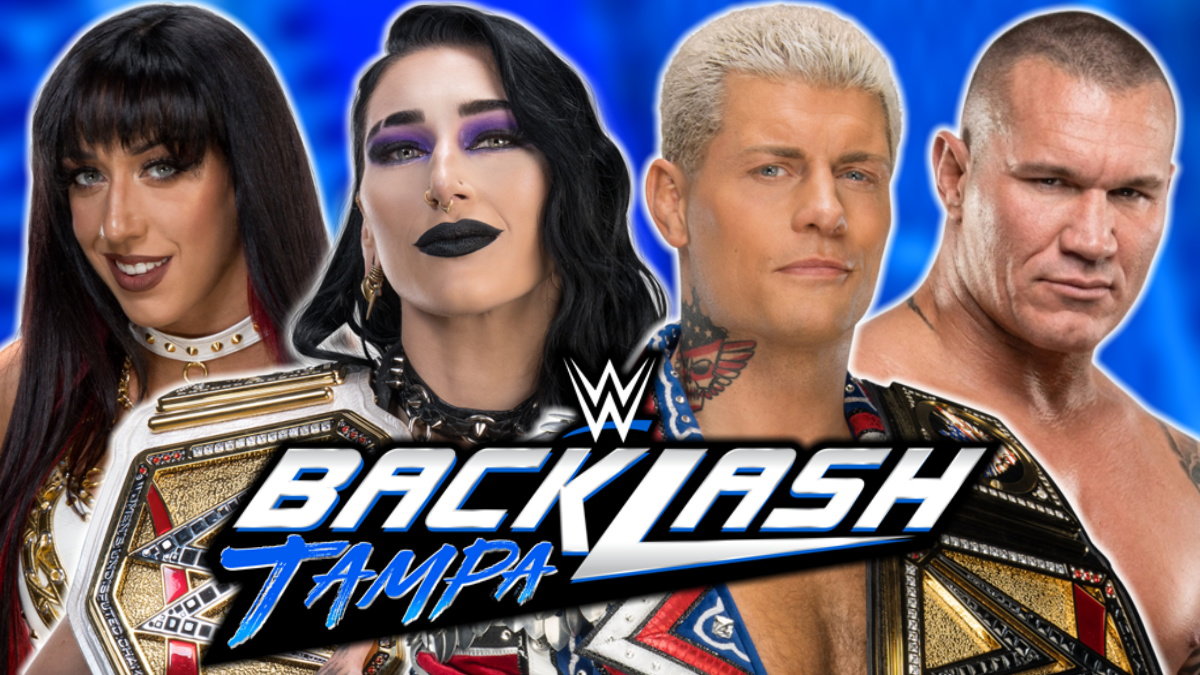
My prediction for Backlash is straightforward. Cody Rhodes will face a heavily stacked deck against whichever Bloodline representative steps up, but he will retain the WWE Championship. This isn't just a safe bet; it is the only logical booking decision supported by the current data metrics.
WWE is not going to take the title off Rhodes right now. The viewership stability on SmackDown, even in late April, proves that the audience buys into his reign. A title change this close to WrestleMania, especially on an international B-tier premium live event, would derail the momentum they have spent a year rebuilding.
However, the match will not be clean. The Bloodline's entire current gimmick revolves around chaos and numbers advantages. We will see interference. We will likely see a ref bump. But ultimately, Rhodes will hit a sequence of Cross Rhodes to secure the pinfall.
I anticipate the match structure will heavily feature outside distractions. The referee will spend at least five minutes dealing with apron spots and managers. This is the standard playbook for a Bloodline main event, designed to protect the loser while ensuring the champion retains.
The Roman Reigns factor
You cannot talk about the current state of SmackDown without addressing the ghost in the room: Roman Reigns. His sporadic appearances have fundamentally altered the viewing patterns of the show. When Reigns is advertised, the quarter-hour ratings spike. When he isn't, the show relies heavily on the ensemble cast to carry the weight.
The April 24 show proved that the ensemble cast, led by Rhodes, can hold the line. But Backlash needs a hook. My secondary prediction is that while Reigns will not wrestle at Backlash, his presence will be felt. We will get a post-match angle that clearly defines his next move.
WWE has perfectly paced Reigns' story. They know that throwing him into a match at Backlash wastes a massive television rating or a major stadium show payday. Instead, expect a cryptic vignette, or perhaps a backstage segment that ends the broadcast on a cliffhanger. They are masters at stretching this out.
The smartest move they can make right now is keeping Reigns off television entirely until the absolute last moment. The anticipation of his return is a draw in itself. The moment you put him back in a regular wrestling program, you normalize him. WWE knows this, and the ratings reflect that they don't necessarily need him every week to maintain their baseline.
Where the creative falls short
I would be remiss if I didn't point out the glaring flaw in the current Friday night setup. While the main event scene is drawing well, the midcard on SmackDown is struggling to find its footing. The United States Championship picture feels completely disconnected from the rest of the show.
During the April 24 broadcast, the energy noticeably dipped during the second hour. The audience metrics usually reflect this, with a slight tune-out before the main event angle brings them back. WWE cannot rely solely on the Bloodline to float a two-hour broadcast indefinitely.
They need to establish a credible secondary storyline that doesn't involve Samoan spikes or acknowledge me t-shirts. Right now, if you remove the WWE Championship picture from SmackDown, the show feels astonishingly thin. That is a dangerous game to play as we head into the summer months.
The tag team division is another massive blind spot. The belts have been shuffled around with very little emotional investment attached to them. If you want to keep the audience engaged for the entire broadcast, you need compelling tag team wrestling. Right now, we are getting filler matches designed to kill time between Bloodline promos.
The AEW alternative
It is impossible to analyze SmackDown's viewership and WWE's booking strategy in a vacuum. You have to look at what the competition is doing. AEW Double or Nothing is looming on May 24, just a few weeks after Backlash. While WWE is relying on the established Bloodline narrative to carry their post-WrestleMania momentum, AEW is trying to build new main event fixtures.
The contrast in booking philosophies is stark. SmackDown operates as an episodic television drama where the wrestling matches are often secondary to the overarching storyline. Dynamite still leans heavily into the in-ring product as its primary selling point. The April 24 SmackDown numbers suggest that the casual audience vastly prefers the former right now.
If you look at the ratings trends, the soap opera elements of the Bloodline are drawing significantly higher numbers than the technical clinics being put on elsewhere. This isn't a knock on AEW's in-ring quality, but rather an observation of what currently drives mass television viewership in 2026. Drama sells. Characters sell. Cody Rhodes, framed as the ultimate protagonist against a seemingly insurmountable faction, is the easiest story in the world to sell to a broad audience.
The final verdict
Backlash is going to be a loud, raucous show. The international crowds always deliver a unique atmosphere that elevates the in-ring action. But from a booking perspective, it is a stepping stone. It is a bridge between the fallout of Las Vegas and the build towards SummerSlam.
Cody Rhodes retains. The Bloodline regroups. The SmackDown audience numbers will likely remain steady, hovering around that two million mark, provided they keep the main event tension high. The real test will be whether they can fix the midcard before the post-WrestleMania glow completely fades.
This is the reality of modern WWE booking. It isn't just about who wins and loses; it is about managing audience expectations and television ratings week over week. The April 24 show was a solid hold, but they need to give us more than just Bloodline drama if they want to grow the audience heading into the hottest part of the year. The blueprint is there, but the execution needs tightening before the summer slump hits.
Read Next
- Sheamus breaks silence on sudden shoulder injury derailing his final run
- Cody Rhodes' next defense hinges on a glaring backstage absence
- WWE needs to stop relying on celebrities who might ghost them before Backlash
- Top 10 Moments of 2026 So Far
- 🏆 WrestleMania 41 — Full Coverage Hub
- 💥 WWE Backlash 2026 — Full Coverage Hub
- 👑 Roman Reigns Return 2026 — The Tribal Chief