The clinical efficiency of the TKO era in Las Vegas
Five days remain before the Allegiant Stadium floor is covered in black mats and the largest stage in the history of this industry is illuminated. WrestleMania 41 in Las Vegas feels different from the chaotic, color-splashed productions of the previous decade. There is a clinical, almost corporate efficiency to the buildup this year that mirrors the TKO era's broader strategy.
We are no longer watching a traveling circus; we are witnessing a global sports property that has optimized every metric of its existence. The tickets are more expensive, the sponsorships are more integrated, and the booking has become a study in long-term asset management. The shift is most evident in how the company is handling its greatest legacy asset: John Cena.
Las Vegas is the perfect backdrop for this transition. It is a city built on the illusion of risk, yet governed by the mathematical certainty of the house always winning. This weekend, WWE plays the role of the house, and the stakes for Night 1 and Night 2 have been calculated to ensure a maximum return on the nostalgia of the past and the potential of the future.
The technical reality of the John Cena farewell
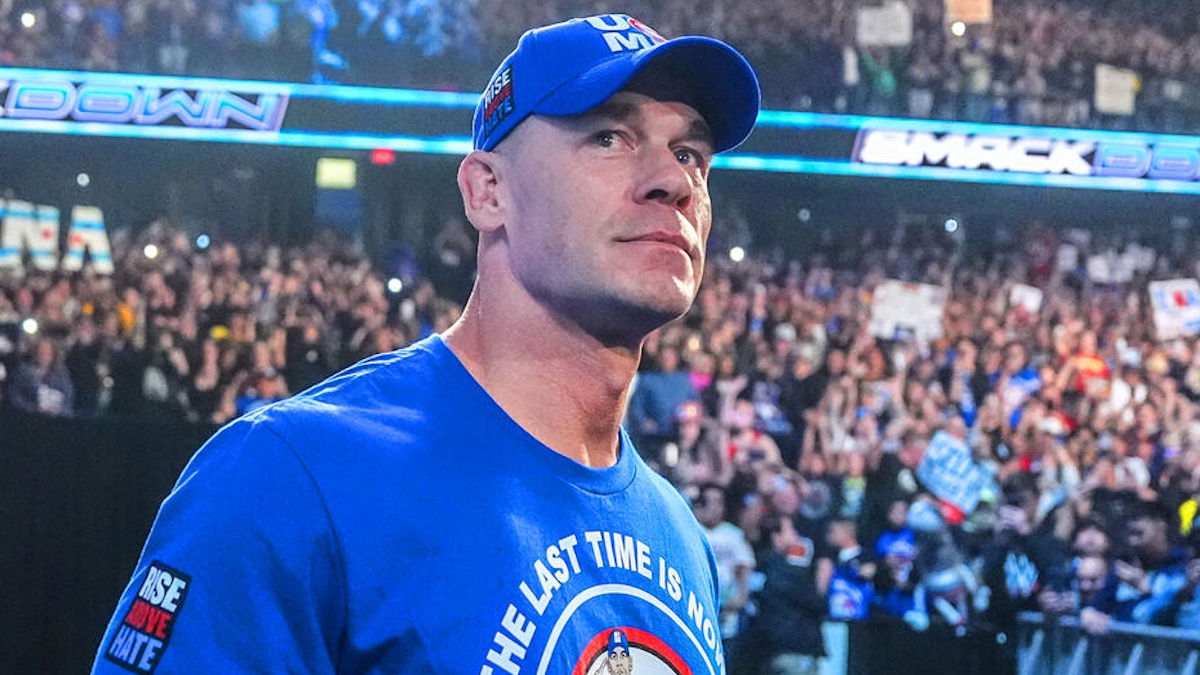
John Cena’s farewell match on Night 1 is the emotional anchor of the weekend, but we need to look at the tactical reality of a 48-year-old performer in a stadium environment. Cena has transitioned his in-ring style into a masterclass of economy. He no longer attempts the high-impact sequences that defined his 2015 U.S. Title open challenge era.
Instead, his matches in two years have been built on psychology and the STF as a primary story device. He is moving slower, his lateral quickness has diminished, and his reliance on the crowd's vocal participation is higher than ever. Whoever stands across the ring from him on April 19 has a difficult task: they must carry the physical burden while allowing Cena to dictate the emotional tempo.
There is a risk that this match becomes a parody of Cena's greatest hits. If we see the Five Moves of Doom executed with the heavy feet of a part-timer, the Vegas crowd may turn. However, the TKO era has been excellent at masking physical limitations through lighting, camera angles, and high-frequency interference. This won’t be a five-star technical clinic; it will be a 15-minute goodbye designed to protect the legacy of a man who cannot afford another shoulder injury.
CM Punk and the durability question
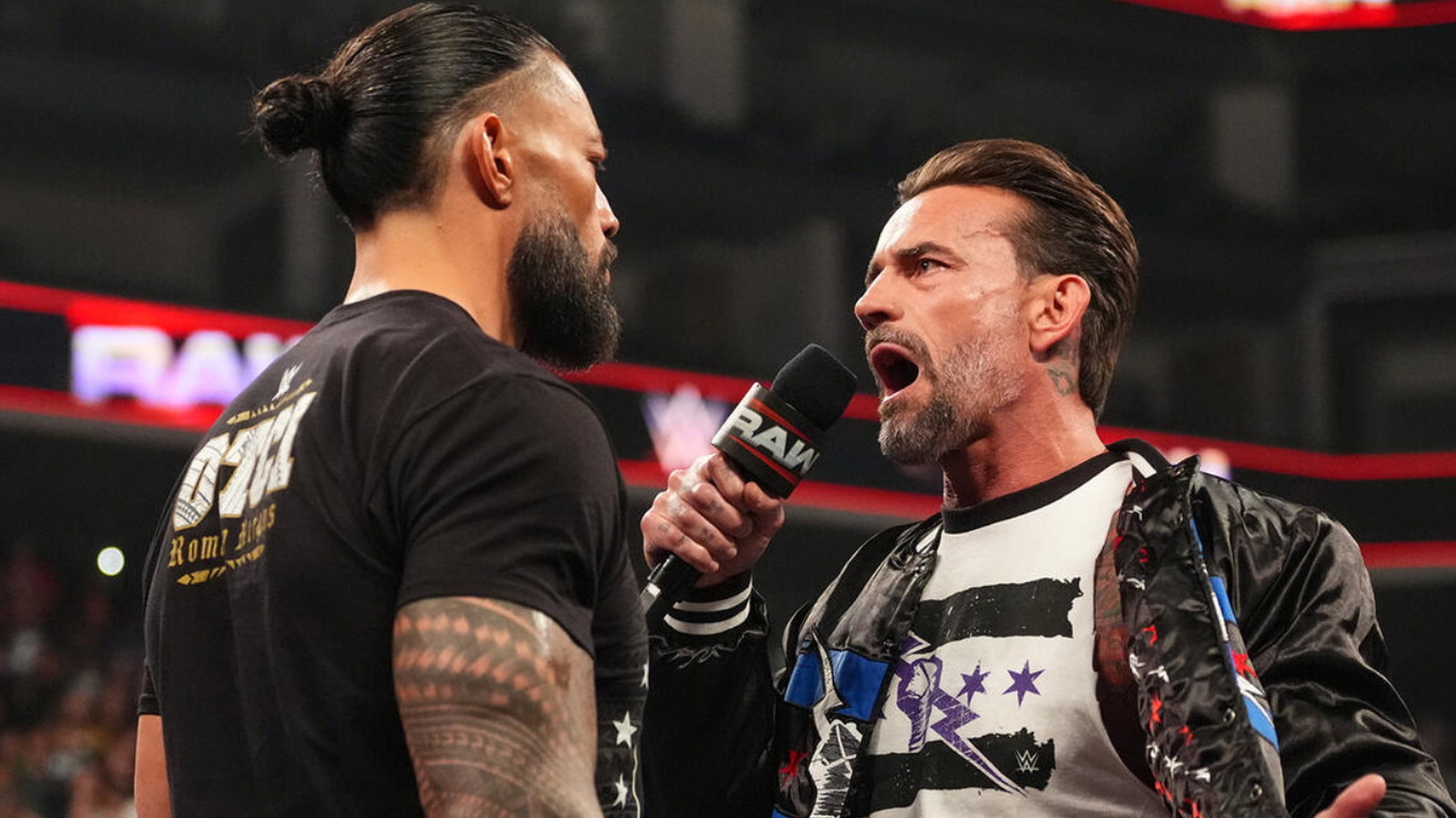
On the same night, CM Punk enters what is being billed as a major match. The tactical concern here is identical to Cena’s, though the context is more volatile. Punk’s return has been a commercial success, but his body has repeatedly betrayed him in high-stakes environments. His pacing has become more deliberate, favoring a brawling style over the intricate chain wrestling of his Ring of Honor days.
Punk's value now lies in his ability to sell a struggle. He looks like a man who is fighting his own biology as much as his opponent. If he can survive the first 10 minutes without a visible limp, the match has a chance to be the highlight of Night 1. But if the tempo pushes too high, we might see the same physical collapse that has haunted his recent runs.
Cody Rhodes and the Bloodline paradox
Night 2 on April 20 belongs to Cody Rhodes and the WWE Championship. The story of the Bloodline has moved into a new phase, but it remains the gravitational center of the company. Cody has spent the last year as a fighting champion, but the shadow of Roman Reigns has never truly left the frame. The tactical shift in this feud has been the move away from the 'supernatural' invincibility of the Bloodline toward a more traditional heel stable dynamic.
Cody’s matches are often criticized for their predictable structure — the 'babyface in peril' segment followed by the flurry of finishers. To keep the Vegas crowd engaged, he needs to deviate from the script. We need to see him use the environment of Allegiant Stadium, perhaps incorporating the ramp or the ringside structures, to break the monotony of the Bloodline's interference-heavy tropes.
The return of Roman Reigns as a factor in this match creates a tactical headache. If Roman is used as a savior for Cody, it risks making the champion look like a secondary character in his own title defense. The booking needs to be surgical. Cody must retain through his own ingenuity, perhaps by hitting three Cross Rhodes in rapid succession, a sequence that has become his signature for ending 'unbeatable' opponents.
The negative observation on the Vegas premium
We cannot discuss WrestleMania 41 without mentioning the pricing. The get-in price for the nosebleed seats has reached an absurd $2,500 for some sections, effectively gentrifying the front rows. The energy of a wrestling crowd comes from the die-hards, not the corporate guests who are checking their phones between big moves.
There is a visible difference in the 'heat' of a match when the front three rows are filled with influencers instead of fans who have followed the story for a decade. WWE is risking the soul of its product for the sake of a record-breaking gate. If Night 1 feels quiet despite the 70,000 people in attendance, the blame lies squarely on the ticketing strategy that has priced out the engine of the fanbase.
The TNA alternative and the Rebellion factor
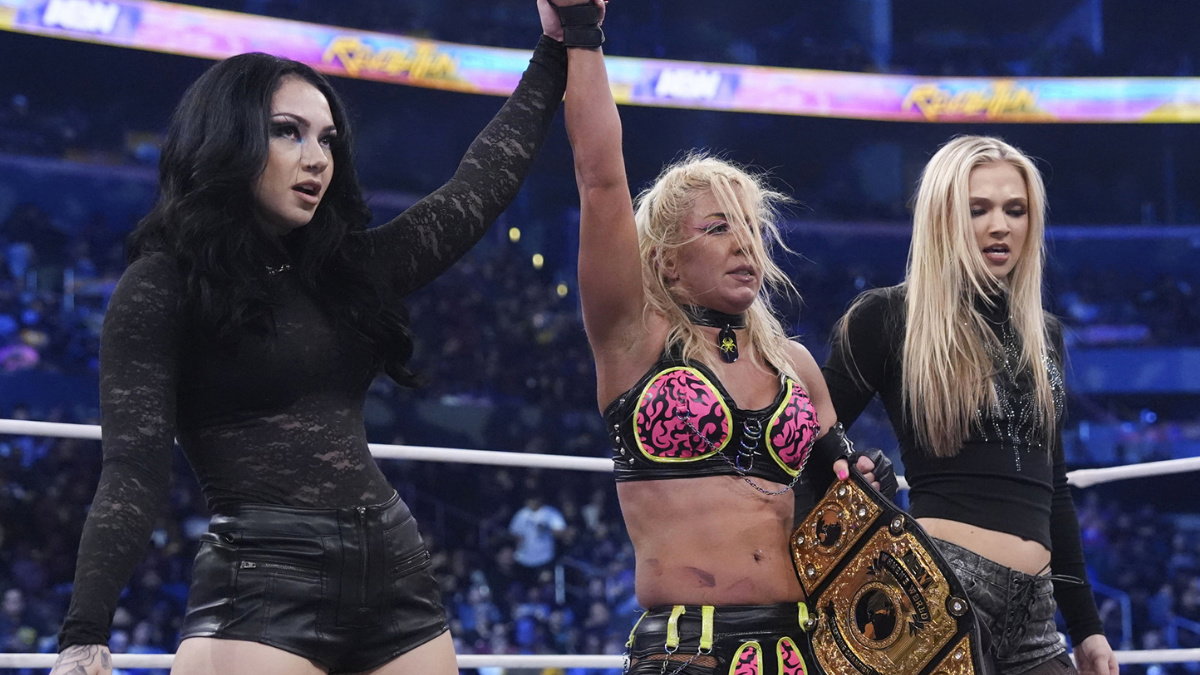
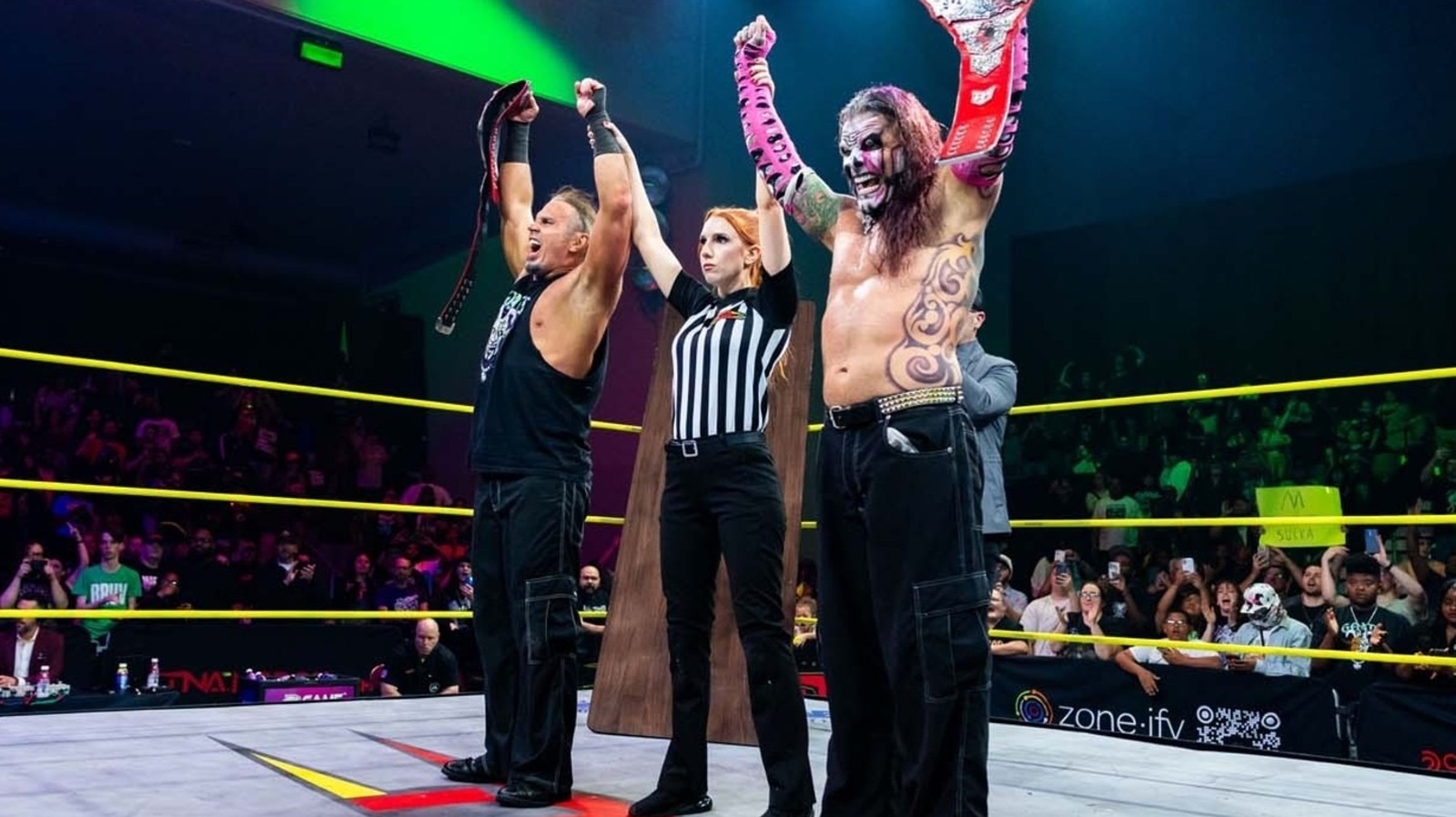
While the world focuses on Vegas, TNA is quietly proving that there is a hunger for a different kind of presentation. As Wrestling Inc reported, the viewership for TNA Impact grew for the April 9 edition. This growth occurred just a few days before their Rebellion pay-per-view, suggesting that fans are looking for an alternative to the polished, hyper-produced WWE product.
TNA’s growth is driven by a focus on the 'knockouts' division and a more traditional, athletic approach to the main event scene. They aren't trying to be a corporate giant; they are trying to be a wrestling promotion. The ratings bump on April 9 shows that when the 'Big Two' become too predictable, the smaller players can capitalize by offering the grit that the TKO era has largely polished away.
The Rebellion event itself served as a reminder that wrestling doesn't need a $100 million stadium to feel vital. Sometimes, a packed mid-sized arena with a crowd that actually knows the moves is more effective than a cavernous stadium filled with tourists. The fact that TNA is seeing an upward trend during WrestleMania season is a significant indicator of the industry's health beyond the Stamford bubble.
The final prediction for the Vegas weekend
Predicting a WrestleMania outcome in the TKO era requires thinking like an executive, not a fan. John Cena will lose his farewell match. It is the oldest tradition in the business, and Cena has always been a company man. He will put over a younger star, leaving his boots in the center of the ring in a moment that will be clipped and shared on social media for the next decade.
Cody Rhodes will retain the WWE Championship on Night 2, but it won't be clean. The Bloodline will fracture further, and Roman Reigns will be the catalyst for a new internal war that takes us into the summer. Cody needs to hold the gold for at least 80 percent of the 2026 calendar year to solidify his status as the new face of the company, and a loss in Vegas would be a catastrophic waste of momentum.
WrestleMania 41 will be a technical success and a commercial landmark. But as we watch Cena walk up that long ramp for the last time, we have to ask ourselves if the efficiency of this new era is worth the loss of the unpredictability that made us fans in the first place. The house always wins in Vegas, but sometimes the fans lose a little bit of the magic in the process.
Read Next
- TNA is finally escaping the shadow of its own graveyard
- John Cena's farewell and the high cost of the new Club WWE era
- WWE just trademarked 'The Mog Squad' and I am losing my mind
- Mami vs. Jade is the only heavyweight fight that matters at WrestleMania 41
- 🏆 WrestleMania 41 — Full Coverage Hub
- 👴 John Cena Retirement Tour 2026