The road to Allegiant Stadium starts with a global expansion
The wrestling world is currently vibrating with a frequency we usually only see once a decade. We are exactly eleven days away from the first night of WrestleMania 41 in Las Vegas, and the machine behind the curtain is already looking past the neon lights of the Strip. While fans are obsessing over John Cena’s final movements in a WWE ring, the front office is busy mapping out the next six months of dominance across the Atlantic.
As PWInsider recently reported, WWE has officially added three new dates to its upcoming European tour. This isn't just a routine scheduling update. It is a calculated move to capitalize on the massive surge in interest that the Triple H era has generated globally. By locking in these dates now, WWE is signaling that the momentum from WrestleMania 41 will not be allowed to dissipate in a post-show hangover.
The logistics of this move suggest a company that is no longer content with being an American export. They are becoming a localized global power. Adding these stops implies that the roster will be split or pushed to their physical limits immediately after the most grueling weekend of the year. It’s a high-risk strategy, but with the current roster depth, they seem to think they can sustain the work rate without burning out their top stars.
John Cena and the mechanics of a perfect goodbye
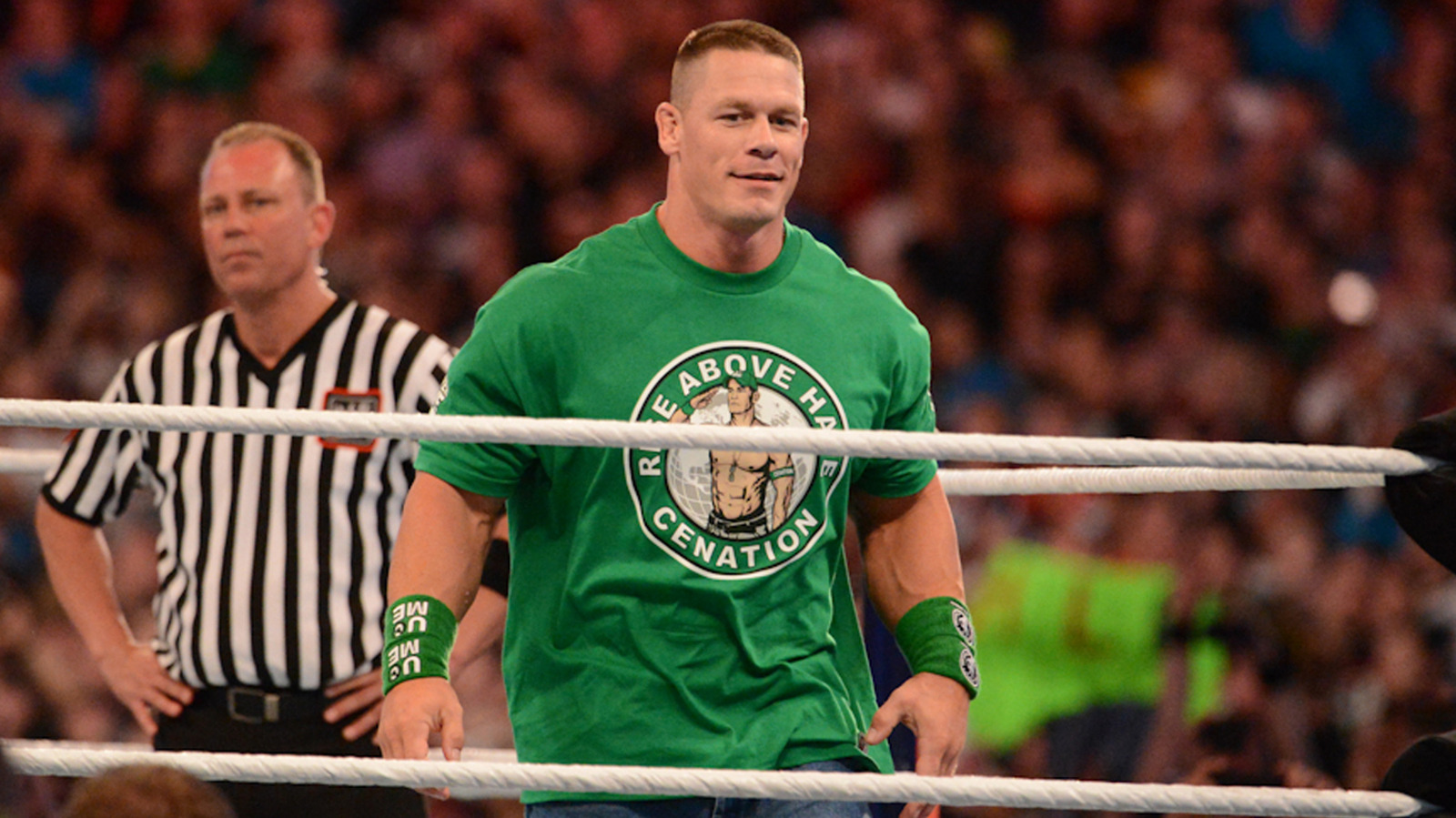
April 19 is the date every fan has circled in red. John Cena is stepping into the Allegiant Stadium for what is being billed as the start of the end. Most legends go out with a whimper or a sad, slow match that tarnishes the memory of their prime. Cena seems determined to avoid that fate. His footwork in recent months has been surprisingly sharp, focusing on a more grounded, brawling style that hides his declining verticality.
Watch his match from two weeks ago on Raw. He didn't try to outrun his opponent. He used his positioning to force the younger talent into corners, utilizing his strength in the clinch to dictate the pace. At WrestleMania, he won't be looking for a five-star technical clinic. He will be looking for a narrative masterpiece. The rumor mill is spinning about his opponent, but whoever it is needs to be prepared for a psychological battle rather than a physical one.
Cena’s greatest weapon has always been his timing. He knows exactly when to sell a hope spot and when to trigger the comeback for maximum crowd reaction. In a stadium holding 65,000 people, that awareness is worth more than any springboard maneuver. The concern, however, is whether his body can handle a high-impact finish. If he takes a hard bump on that surgically repaired neck early in the match, the entire farewell could turn from a celebration into a tragedy in seconds.
CM Punk and the major match enigma
While Cena is the emotional core of Night 1, CM Punk remains the most volatile element on the card. His "major match" designation is vague, which is exactly how Punk likes to operate. He has spent the last month leaning into a more antagonistic persona, reminding everyone that he didn't return to play nice with the locker room. His work in the ring since returning has been a fascinating study in economy of motion.
Punk doesn't waste energy anymore. Every strike is deliberate. Every submission hold is applied with the intent of looking painful rather than flashy. If he is paired with a high-flyer, expect him to ground the match early with a series of snapmares and chinlocks. He is playing the role of the grizzled veteran who is disgusted by the lack of fundamentals in the current generation. It’s a compelling hook, but it only works if his opponent can survive the verbal and physical lashing Punk is likely to deliver.
The Cody Rhodes championship burden
Night 2 belongs to Cody Rhodes. Since finishing his story at WrestleMania 40, Cody has carried the WWE Championship with a level of professionalism that borders on the robotic. He is the ultimate corporate champion, but that squeaky-clean image is starting to show some cracks. The Bloodline hasn't gone away; they have simply evolved. Roman Reigns, now operating as the "Original Tribal Chief," has cast a shadow over Cody's entire reign.
The tactical problem for Cody is the numbers game. Even if Roman is technically on his own, the Bloodline's influence is baked into the ring psychology of every match Cody has. In the 20th minute of his title defenses, you can see Cody constantly checking the entrance ramp. It’s a subtle piece of character work that shows he hasn't truly moved past the trauma of the Bloodline's interference. This anxiety makes him vulnerable to a quick counter-strike.
At WrestleMania 41, Cody needs to prove he can win without the chaos. If the match becomes another overbooked circus with five different run-ins, it will devalue the title. We need to see Cody use the Cross Rhodes as a definitive end-point, not just a transition move in a thirty-minute sprawl. The fans are starting to grow restless with the long-form storytelling; they want a champion who can win a straight-up fight without a dozen cameos.
The Bloodline's internal collapse
Roman Reigns is in a strange position. He is no longer the undisputed king, but he is still the most magnetic presence in the company. His current arc is about redemption, but Roman doesn't do redemption in a traditional way. He is still arrogant, still demanding, and still dangerous. His interaction with the new version of the Bloodline has been the highlight of the weekly television cycle.
The way Roman carries himself now is different. He isn't barking orders from the back. He is stalking the ringside area like a predator who has been kicked out of his own territory. When he finally gets his hands on the pretenders who tried to take his seat, the violence will be localized and intense. The move to watch for is the Guillotine choke. Roman has been using it more frequently to finish matches quickly, showing a lack of patience that he never had when he was the long-term champion.
A critical look at the Vegas spectacle
For all the hype, there is a nagging sense that WWE is over-relying on the Vegas atmosphere to do the heavy lifting. The ticket prices are astronomical, pricing out the hardcore fans who built the company's current momentum in favor of high-rollers who might not even know who is in the ring. This corporate shift is a double-edged sword. It brings in the revenue for European tours, but it risks turning the biggest show of the year into a sterile boardroom meeting.
The booking also feels a bit safe. We know Cena will get his moment. We know Cody will fight the odds. Where is the genuine surprise? The product has become so polished that it’s losing its raw, unpredictable edge. If every match follows the "Triple H formula" of a slow start, a mid-match heat segment, and a flurry of finishers, the twelve hours of wrestling across two nights will feel like a marathon rather than a sprint.
The final prediction for the weekend
I am calling it now: Night 1 ends with John Cena standing tall, but not in the way everyone expects. He won't just win a match; he will leave the boots in the center of the ring, but only after a brutal, 22-minute war that leaves both men unable to walk. It will be the most physical match of his career because it has to be. He needs to remind people why he was the face of the company for two decades.
On Night 2, Cody Rhodes retains the title, but the celebration will be cut short. Roman Reigns isn't coming for the belt; he’s coming for the legacy. Cody will walk out of Vegas with the gold, but he will do so looking like a man who has lost everything else. The European tour will then become the proving ground for Cody's ability to lead a fractured locker room into a new era of uncertainty.
Vegas is the perfect setting for these high-stakes gambles. Just don't expect the house to always win. Sometimes, the most interesting results come when the entire table gets flipped over.
Read Next
- WrestleMania 41: A Crossroads of Legacy, Redemption, and Creative Turmoil
- Raw ratings prove that even Roman Reigns can't fix the March doldrums
- WrestleMania 41 in Las Vegas is Cody’s chance to end the Roman era for good
- WWE’s WrestleMania 41 card is currently at the mercy of the medical team
- 🏆 WrestleMania 41 — Full Coverage Hub
- 👴 John Cena Retirement Tour 2026