The Mathematical Reality of the Celebrity Wing
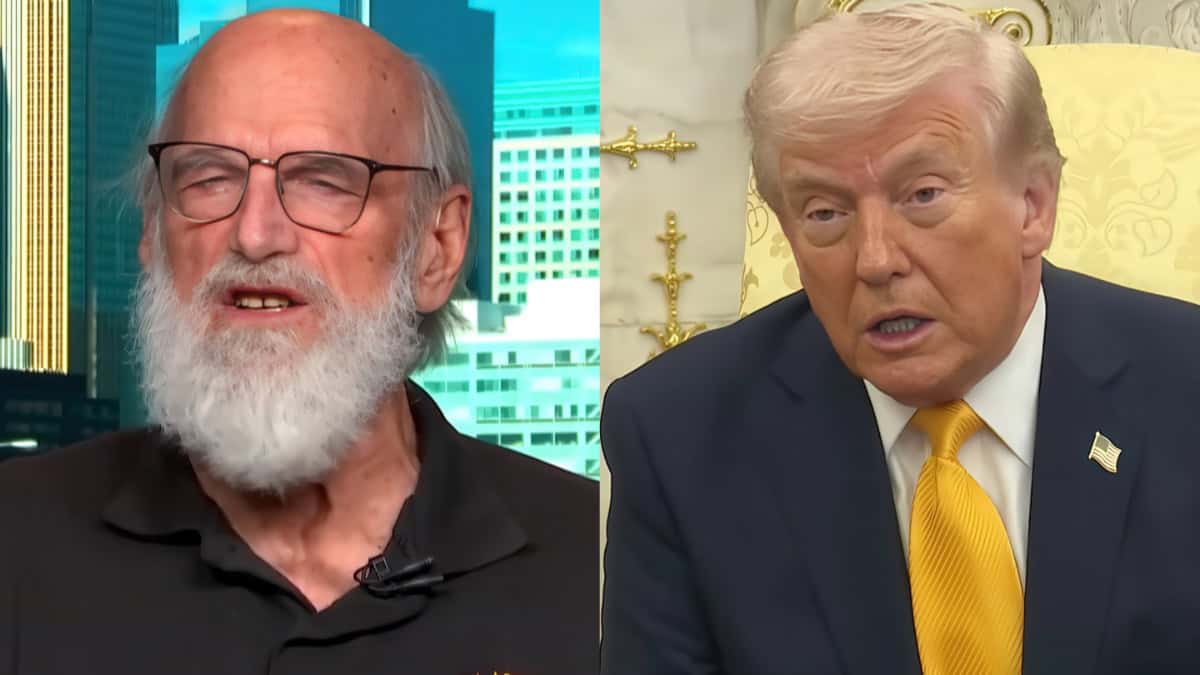
The Celebrity Wing of the WWE Hall of Fame represents roughly 11% of all inductions since the ceremony's 2004 revival. It is a category defined by marketing ROI rather than in-ring work rate. However, Jesse Ventura’s recent comments to Piers Morgan suggest the criteria for the Class of 2013 had nothing to do with the 1.2 million buys generated by WrestleMania 23.
Ventura claims Donald Trump "never earned" his spot through performance or contribution. Instead, he alleges a transactional arrangement involving a federal investigation. While most inductions are based on cross-promotional value, Ventura points to a specific period in the late 1980s. He suggests Trump’s inclusion was a reward for stopping a Department of Justice inquiry into Vince McMahon.
Statistically, Trump’s WWE resume is thinner than almost any other multi-time WrestleMania participant. Across three primary appearances—WrestleMania IV, V, and 23—Trump’s total on-screen time across 38 years of association totals less than 45 minutes. Compared to Mike Tyson’s impact on the 1998 boom or Cyndi Lauper’s role in the Rock 'n' Wrestling era, the data suggests Trump’s induction lacks the traditional metrics of "influence."
The Transactional Nature of the McMahon Era
If Ventura’s claim is accurate, it reframes the Hall of Fame from a museum of greatness into a ledger of political debts. The 1994 steroid trial nearly ended the WWE as a global entity. Ventura’s assertion that Trump "stopped an investigation" implies a level of intervention that precedes the public-facing partnership of the late 2000s. It suggests the Hall of Fame is used as a tool for reputation laundering rather than historical preservation.
We have seen this pattern of unilateral decision-making before. Natalya recently revealed that during the development of Total Divas, she was effectively blackballed by the E! Network and show producers. Despite being a third-generation wrestler with the most matches of any woman in company history, she was not considered "marketable" for reality television. Vince McMahon was the sole dissenting voice who forced her onto the cast.
McMahon’s insistence was a rare win for meritocracy in a production designed for demographics. Total Divas lasted for 9 seasons and 120 episodes, fundamentally shifting WWE's viewership. During the show's peak, female viewership for Monday Night Raw climbed from approximately 26% to nearly 40%. Natalya's presence provided the necessary wrestling credibility to a show often criticized for its scripted interpersonal drama.
Production Bias vs. Reality
The discrepancy between what producers want and what the audience receives is visible in the raw numbers. Natalya has been under contract for 19 years, surviving multiple eras of "Divas" and "Superstars." Producers at E! wanted archetypal reality stars, not a technician who could call a 15-minute match in her sleep. McMahon’s intervention here was tactical; he knew the product required a tether to the actual sport to survive.
However, that same unilateral power is what allowed the Trump induction to happen despite the lack of a traditional "earning" process. In a data-driven environment, you would look at merchandise moved or sustained ratings growth. Trump provided a one-night spike at WrestleMania 23, but he never integrated into the fabric of the product like Snoop Dogg or even Johnny Knoxville. He was a guest who stayed for a photo op.
Ventura’s criticism isn't just about politics; it’s about the devaluation of the honor. When a celebrity is inducted for reasons involving the DOJ rather than a hair-vs-hair match, the remaining 89% of the Hall of Fame—the wrestlers who took the bumps—is diminished. It turns the ring into a secondary concern behind backroom legal maneuvering.
The Metrics of Meritocracy
If we look at the "earned" metric through Natalya’s career, the numbers are staggering. She has competed in over 1,500 matches since signing in 2007. That is a volume of work that makes the 20-minute "Battle of the Billionaires" look like a footnote. Yet, the gatekeeper for both her reality TV career and Trump’s Hall of Fame status was the same man.
The lack of an independent committee for the WWE Hall of Fame remains its greatest analytical failure. There is no voting body, no transparency, and no objective threshold for entry. Without these, the institution remains a reflection of one man's personal favors rather than a statistical record of the industry. The fact that producers almost blocked Natalya from a show about her own life proves that even the "merit" picks are often accidental byproducts of McMahon’s whims.
WrestleMania 41 in Las Vegas is exactly 25 days away, and the Hall of Fame ceremony will once again be held in front of a sold-out crowd. They will cheer for legends who spent decades on the road. But as long as the Celebrity Wing contains names linked to quashed investigations rather than cultural impact, the ceremony will feel like a corporate gala rather than a sporting achievement. The numbers don't lie, but the inductions often do.
The critical failure of the current system is its inability to distinguish between a contributor and a beneficiary. Trump benefited from the WWE platform to bolster his "populist" image long before 2016. WWE benefited from his Atlantic City venues in the 80s. But that is a real estate transaction, not a Hall of Fame career. Ventura's blunt assessment serves as a reminder that in wrestling, the most important matches often happen in the depositions we never see.