The Death of the Traditional Marathon
Today is March 26, 2026. In exactly 24 days, the massive doors of Allegiant Stadium will open for WrestleMania 41. The Nevada desert is about to become the undisputed center of the professional wrestling universe.
But the definition of that universe is rapidly mutating before our eyes. We are witnessing the final gasping breaths of the traditional week-long wrestling marathon. The culprit isn't a rival promotion outbidding them for talent. It's a streaming algorithm dictating terms.
For over a decade, the rhythm of early April was sacred. You flew into the host city on a Thursday with a meticulously planned spreadsheet. You bought a ticket to a sweaty, un-air-conditioned independent show in a converted armory just to see a Japanese legend wrestle a local prodigy.
You watched NXT completely redefine the expected workrate on Saturday night. You survived the exhausting seven-hour gauntlet of the Sunday main show. It was a physical endurance test built purely on an obsessive love for professional wrestling.
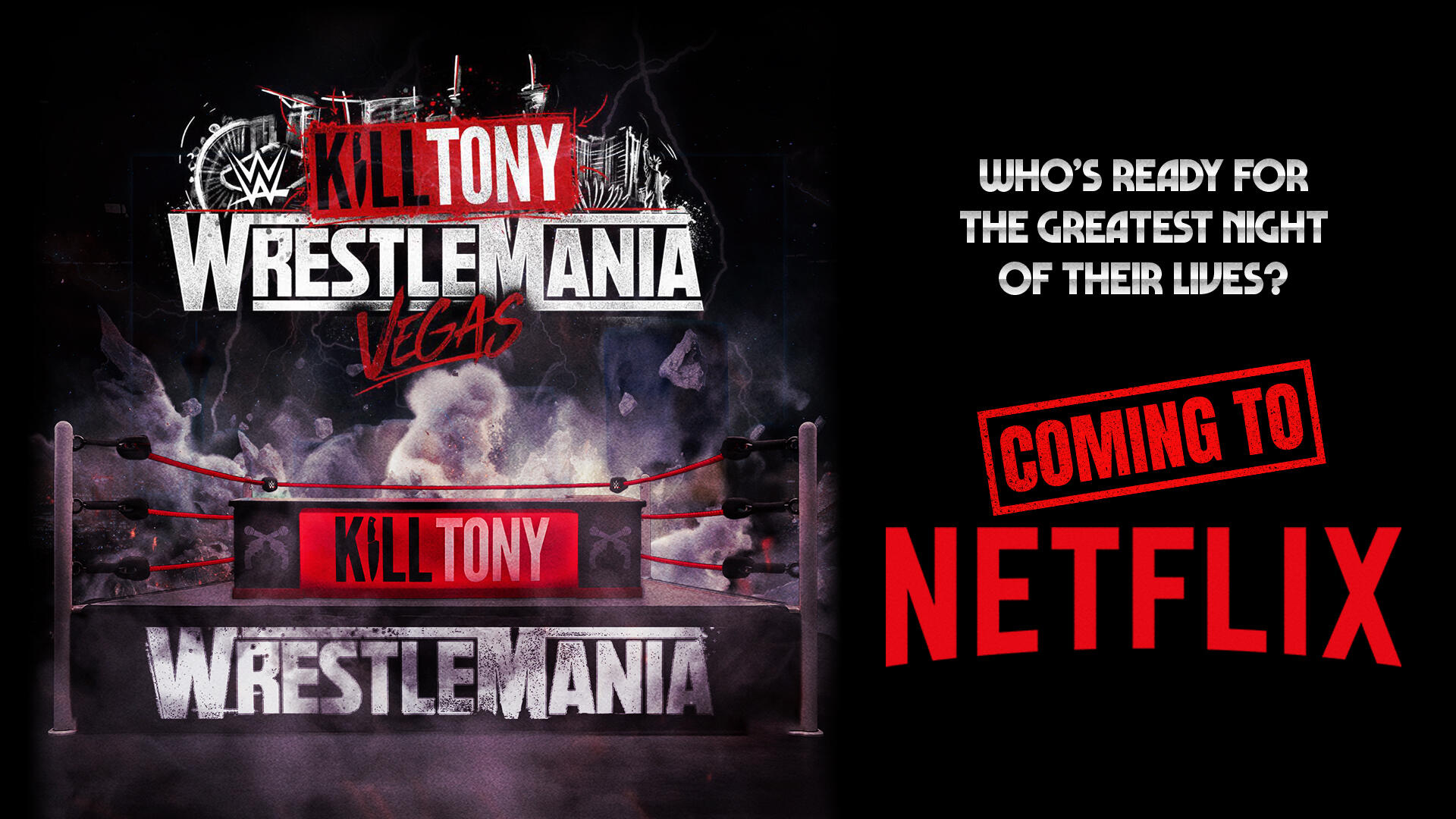
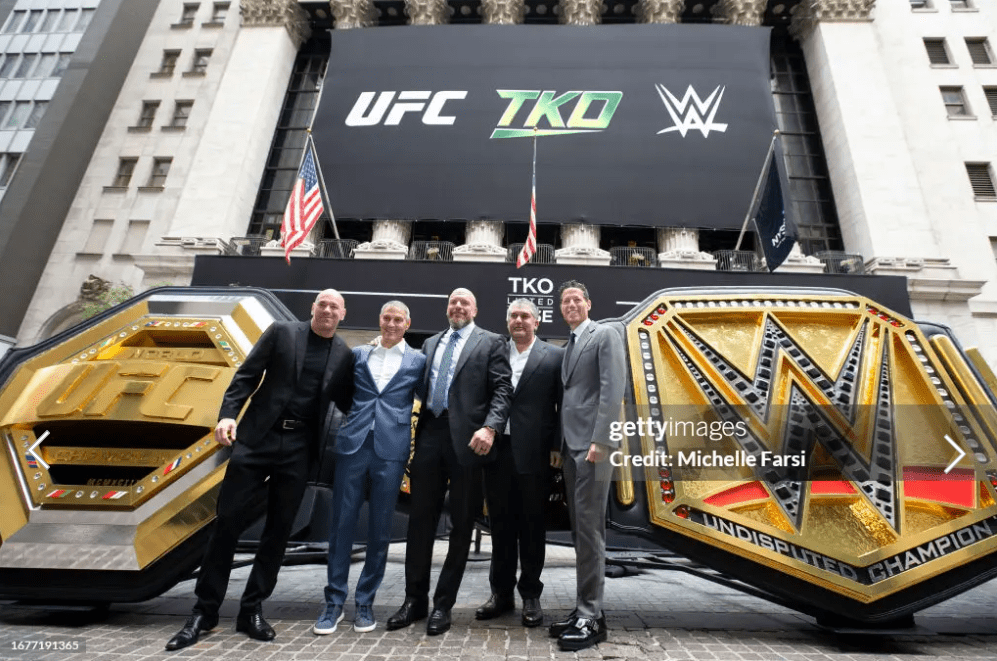
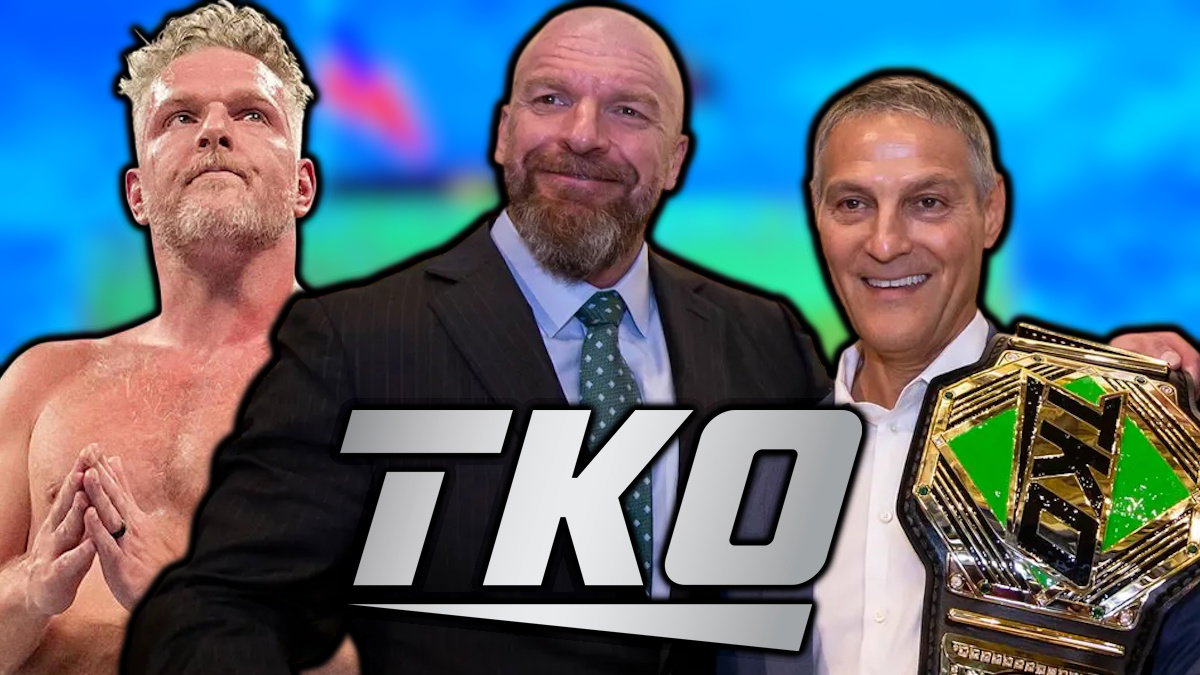
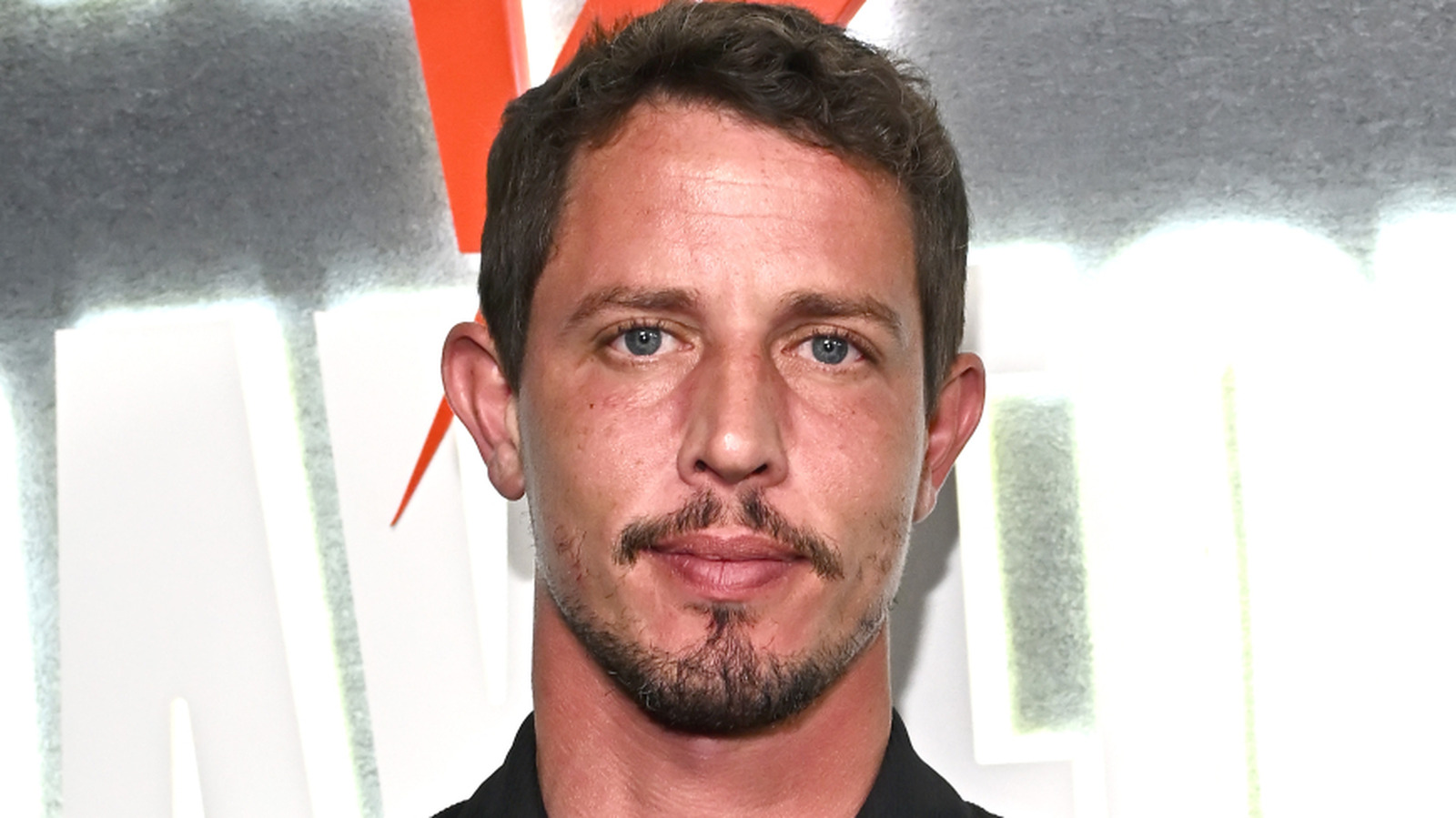
That era is officially dead. TKO Group Holdings has permanently shifted the reality of this event. WWE is officially partnering with Tony Hinchcliffe for a WrestleMania week comedy special on Netflix. The actual in-ring action is no longer the sole focus of the week.
The Evolution of Celebrity Integration
Professional wrestling has always relied on celebrity crossover to pierce the mainstream bubble. In the 1980s, Cyndi Lauper and Mr. T validated the initial Rock 'n' Wrestling connection. In the late 90s, Mike Tyson provided the essential chaotic spark that ignited the Attitude Era.
More recently, Bad Bunny and Logan Paul actually laced up boots. They trained extensively and delivered phenomenal in-ring performances that respected the grueling nature of the industry. But the Hinchcliffe partnership represents a completely different philosophy.
Those previous celebrities were integrated into the core product. They participated in the storylines and interacted with the roster within the established fiction. This Netflix comedy special is entirely adjacent.
It is a parallel track of entertainment that borrows the WWE branding without contributing to the actual wrestling narrative. Nick Khan has spoken extensively about transforming WWE into a global media property. This is the exact manifestation of that corporate strategy.
Netflix doesn't necessarily want more headlocks and armbars. They want easily digestible, highly clippable content that bridges the gap between their massive stand-up comedy audience and the wrestling demographic.
The Collision of Corporate Tones
Let’s analyze the sheer whiplash of this booking from a creative standpoint. WWE spent the better part of fifteen years aggressively sanitizing its product to appease blue-chip sponsors. They banned blading and scripted every promo down to the final comma.
If a performer stepped out of line on social media, they were vanished to the preshow or buried on Main Event. The corporate mandate was extreme risk aversion. Now, under the massive financial umbrella of the Netflix deal, they are handing a live microphone to the host of 'Kill Tony'.
Hinchcliffe's entire brand is built on boundary-pushing, insult-laden roast comedy. He actively courts outrage. It is a jarring pivot for a company that still heavily markets to families and young children.
This is a calculated risk by TKO, but it is incredibly reckless creatively. They are betting that the massive influx of casual viewers will outweigh any potential public relations nightmare. You have Cody Rhodes delivering earnest promos about his father's legacy, sharing a marquee billing with a comedian known for mercilessly roasting minor celebrities.
The Dilution of Roster Focus
Here is the fatal flaw in this content strategy. It heavily dilutes the focus of the actual roster. WrestleMania week is already a brutal, soul-crushing logistical grind for the talent.
They are stretched across dozens of mandatory media appearances, exhausting corporate meet-and-greets, community outreach programs, and late-night ring rehearsals. Adding a high-profile comedy special to this docket is a massive, unnecessary distraction.
If this follows a traditional roast format, active top-tier wrestlers will undoubtedly be required to sit on stage. They will have to sit out of character and take shots for an hour. It forces them to drop their carefully cultivated personas at the exact moment they should be locked into their intense on-screen rivalries.
Imagine CM Punk, mere days away from a brutal main event match, sitting through a tightly written set about his backstage altercations. It completely shatters the illusion. It prioritizes a cheap laugh over the long-term investment in the television narrative.
Paul Levesque has spent two years rebuilding the logical consistency of WWE television. This special threatens to puncture that reality just for a quick streaming bump.
The Squeeze on the Las Vegas Market
There is also a localized casualty to this massive corporate footprint. Las Vegas is historically a brutal market for independent wrestling. The massive casinos control all the viable venues, and the operating margins are razor-thin.
Historically, WrestleMania week was the one time of year when smaller promotions could piggyback on the influx of hardcore fans. They could run a show and actually turn a profit. But WWE is now ruthlessly hoovering up every available hour of attention and disposable income.
Between the Hall of Fame ceremony, the heavily produced documentaries, the massive podcast villages, and now exclusive stand-up specials, there is simply no oxygen left. A fan only has so many hours in the day and so many dollars in their wallet.
When the mothership is aggressively producing endless auxiliary content, the independent shows starve. The entire wrestling circuit suffers when the biggest player decides it needs to monopolize comedy as well as combat sports.
Predicting the Inevitable Fallout
How does this actually play out when the cameras start rolling in Las Vegas? From a pure, cold numbers perspective, it will be a massive, undeniable success. The Netflix marketing machinery is terrifyingly efficient.
They will push this special to the top of the homepage in 190 countries simultaneously. Millions of people who haven't watched a wrestling match since the Attitude Era will click play simply out of morbid curiosity. TKO executives will inevitably issue a glowing press release touting record-breaking engagement metrics.
But creatively? For the actual fan who cares about the matches? It is going to be a distracting mess. Hinchcliffe will likely cross a line that makes the corporate PR team sweat through their expensive suits.
My prediction is entirely cynical. The special will air and generate three exhausting days of intense, performative outrage on social media. WWE will quietly issue a tepid statement distancing themselves from one specific joke to appease a sponsor.
Simultaneously, they will be counting the massive rights fees deposited by Netflix. And then, they will immediately begin planning a bigger, more intrusive special for next year. The actual wrestling is secondary now.
Read Next
- Kill Tony at WrestleMania is a chaotic Netflix crossover that just might work
- Andrade's recent comments just poured gasoline on his WrestleMania match
- Dwayne Johnson is now a Disney Legend and it spells disaster for Cody Rhodes
- John Cena's farewell is 24 days away and wrestling still can't accept it
- 🏆 WrestleMania 41 — Full Coverage Hub