The Big Picture
Intellectual property is the lifeblood of modern sports entertainment, where a single phrase or nickname determines the difference between a mid-card act and a merchandising titan. WWE, in particular, treats its legal filings with the same strategic intensity as its booking meetings.
1. The Glamour (Blake Monroe)
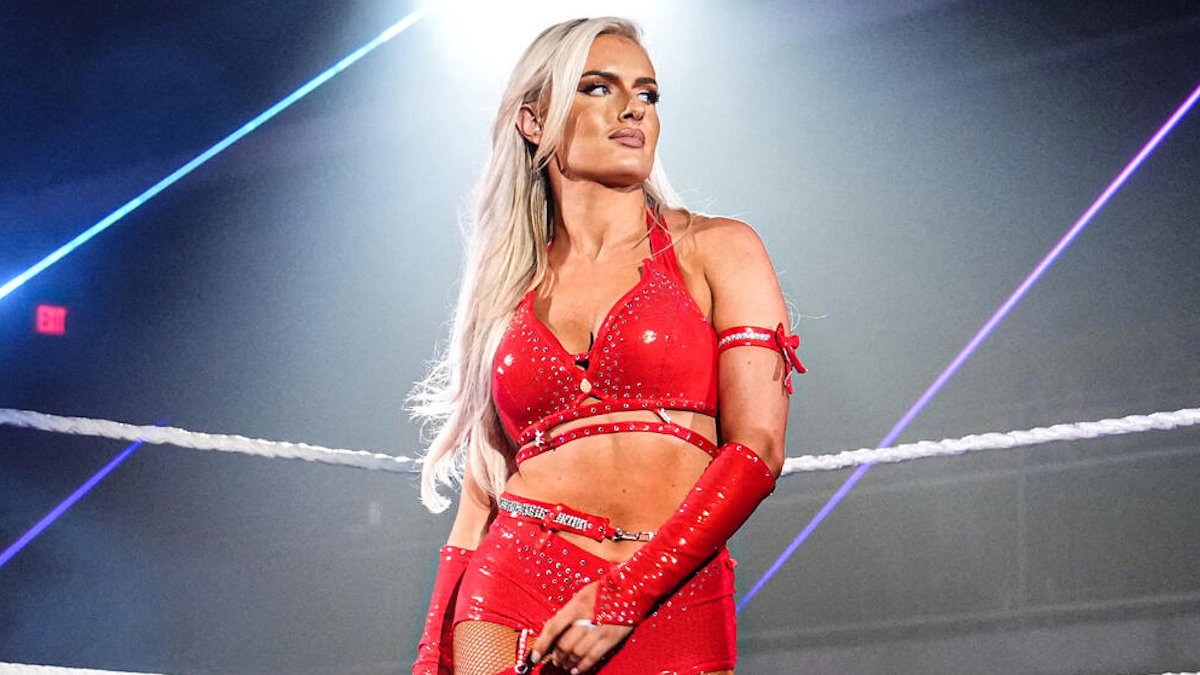
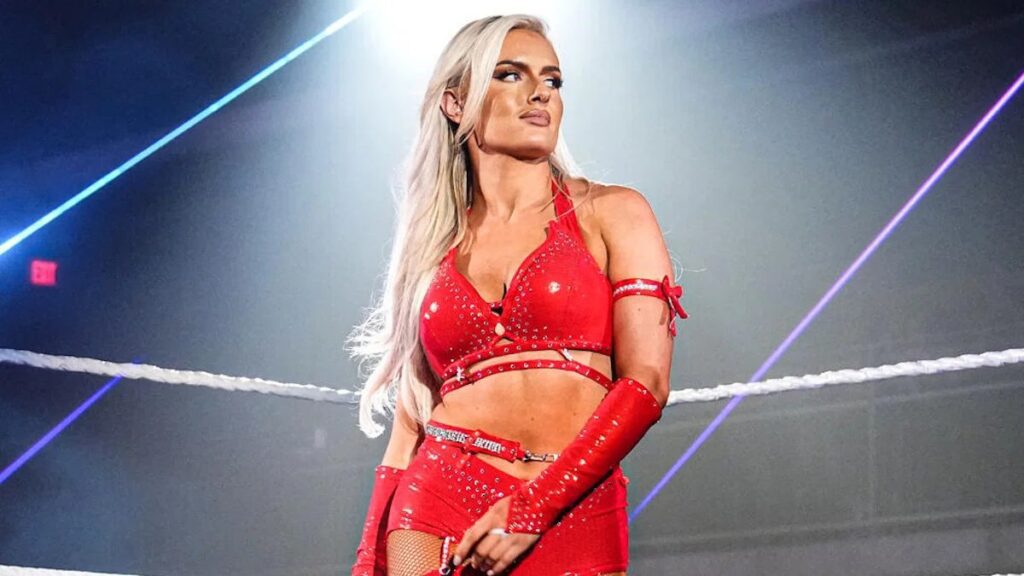
WWE recently moved to protect the nickname 'The Glamour' as Blake Monroe prepares for her SmackDown debut. This filing signals that the company is fully invested in her brand identity, moving well beyond traditional rookie introductions. By locking down the digital and physical rights, they ensure that every piece of merchandise and social media handle remains exclusively tied to the corporate entity. It is a necessary move, though one that places a massive target on a star who has yet to take her first professional bump in the main roster ring.
2. The Empress of Tomorrow (Asuka)
Asuka remains one of the most protected performers in the company because her moniker is as much an identity as it is a marketing tool. This trademark ensures that her distinct style and intimidating presence cannot be diluted by copycat gimmicks on the independent circuit. When Blake Monroe noted how Asuka elevates every locker room, she referenced the value of established brands. This legal umbrella allows the company to capitalize on her aura long after she eventually hangs up the boots.
3. The Bloodline
This is the gold standard for long-term brand protection. By trademarking the name, Roman Reigns and his associates maintained a cohesive unit that dominated the headlines for over three years. It allowed the company to spin off multiple t-shirt designs, entrance themes, and broadcast logos without fearing copyright infringement. The sheer financial return on this single filing is unparalleled in the last decade.
4. The Tribal Chief
Associated exclusively with the top of the card, this trademark reinforces the hierarchy of a major sports entertainment product. It separates the champion from the standard roster members in a way that suggests dynastic legitimacy. While effective, it borders on stagnation if the performer isn't regularly defending the mantle in high-profile bouts.
5. The Man (Becky Lynch)
Securing this title was a masterclass in shifting character perception. It turned a singular phrase into a movement, effectively allowing WWE to own the social media discourse surrounding female empowerment. The legal work behind this ensures that even when the character evolves, the brand recognition stays firmly in the corporate column.
6. The Megastar (LA Knight)
LA Knight fought through the noise to get this moniker over, and the company wisely filed to secure it just as he hit his peak. Unlike other gimmicks that fail upon arrival, Knight forced the trademark into existence through pure personality. It is arguably the most organic success story on this list, proving that legal filings are best used after a character is already over.
7. Cody Rhodes (Name Rights)
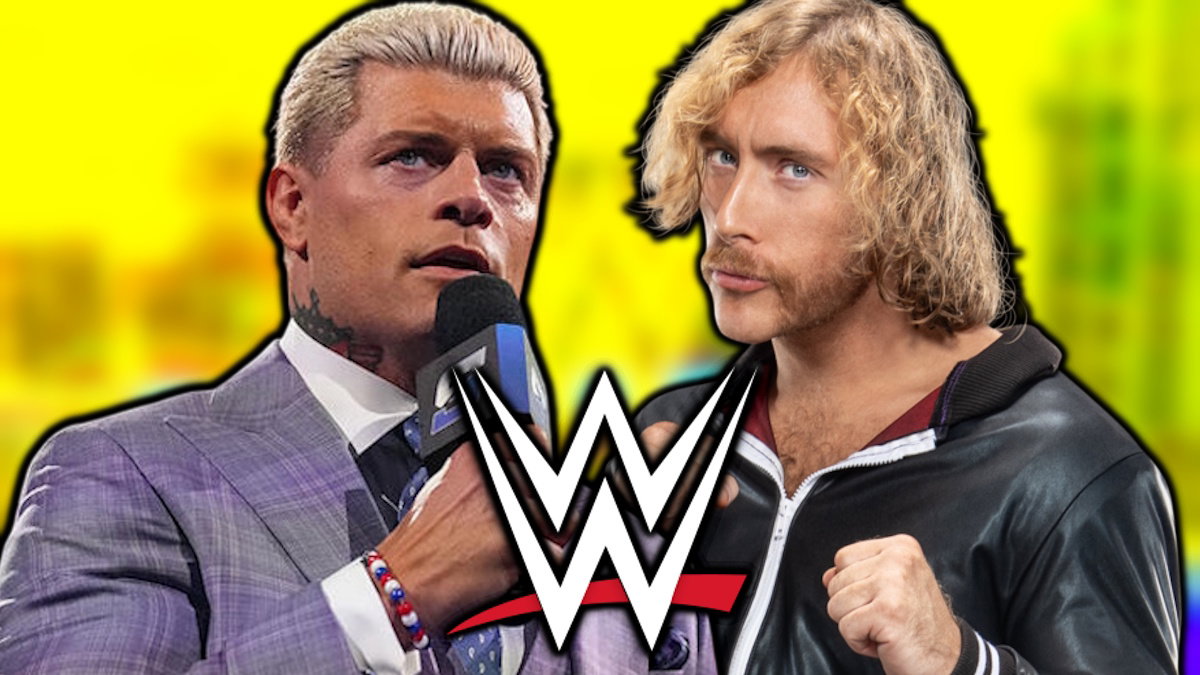
When Cody returned to the company, he arguably brought his own intellectual property portfolio with him. By securing the rights to his own name effectively, he avoided the pitfalls of other former stars who had to reinvent their entire presentation. This gives him a massive advantage in negotiations and merchandising splits that most wrestlers can only dream of.
8. Judgment Day
This faction name allows for a rotating cast of members while keeping the brand strong and recognizable. It is a flexible asset that solves the problem of needing a new product every time a member leaves or gets injured. The business side here is sharp, even if the creative booking has occasionally felt repetitive to long-term observers.
9. The American Nightmare
This trademark allows for the continued use of specific aesthetic markers that resonate with fans who grew up watching the legacy of the NWA. It is a protective measure against the dilution of historical name value. While it lacks the raw intensity of some of the newer nicknames, its value lies in consistency across generations.
10. The Queen (Charlotte Flair)
While effective, this ranking suffers because the term 'Queen' is a word anyone can use in standard English, leading to constant legal friction. WWE has spent significant capital ensuring her specific branding remains untouchable, but it is a constant battle. It stays on the list only because of the immense equity built up through her 14-plus championship reigns.
Honorable Mentions
Names like 'The Phenomenal One' and 'The Big Dog' represent the past decade of dominance, even as their associated rights become less central to the current narratives. Looking ahead, keep an eye on how the company manages the launch of performers like Blake Monroe following the official trademarking of The Glamour, as that represents the primary growth vector for the brand in the latter half of 2026.