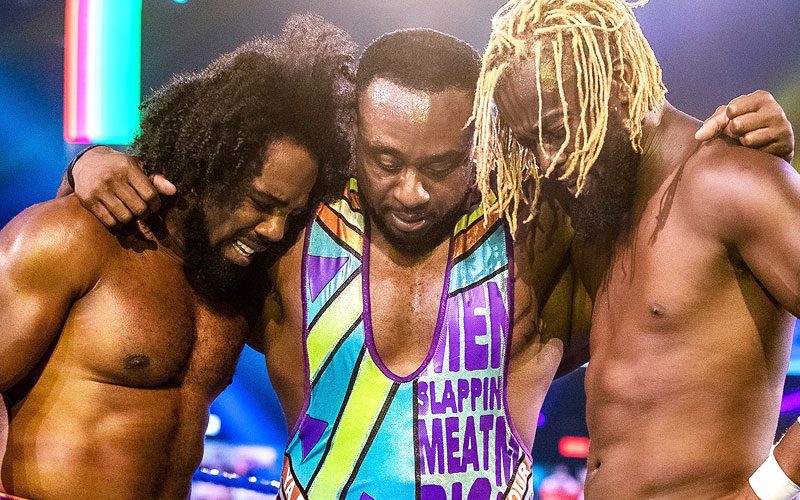
The quiet exit from the tag division
The tag team landscape in WWE took another hit today following the confirmed departure of a prominent duo. Reports from PWInsider indicate that the team has been let go, stripping the roster of yet another established act. This move comes at a time when the division is already struggling to find consistent featured spots on marquee events like Backlash.
For fans, the loss of an active tag team isn't just about the roster size; it impacts the booking depth for the upcoming May 9 event. With the tag titles currently centered around a narrow group of teams, losing a veteran unit creates a booking vacuum. There is no clear indication that management plans to rush new teams to the main roster to fill the gap.
When the shine wears off
Departure announcements often follow a specific pattern: a period of creative stagnation followed by a lack of television time. This specific team had been notably absent from Monday and Friday programming for consecutive months. Despite previous pushes, they eventually found themselves relegated to Main Event tapings or off-air dark matches, which is often the precursor to a release.
The current state of the tag division relies heavily on the top-of-the-card acts, leaving the mid-card teams with very little to do. Booking teams to trade wins without a coherent trajectory usually leads to audience disinterest. When the crowd stops reacting to the bells, management invariably decides the team is expendable. It is a harsh reality of the current roster construction.
The impact on the Backlash card
With Backlash scheduled for May 09, 2026, the absence of this team may force a rework of the undercard. Without a deep bench, the company often relies on multi-team scramble matches to get talent on the screen. Those matches are frequently chaotic and serve as filler rather than building long-term heat between rivals.
If the creative team cannot invent a compelling reason for fans to care about the mid-card tag teams, the division will continue to suffer. Wrestlers need character arcs that extend beyond simply being paired up to occupy a segment. Without a story, these matches have no stakes.
Structural failures in tag booking
The core issue is that tag team wrestling is often treated as a secondary feature compared to individual star power. Even in the height of the recent internal competition, the writers rarely gave tag teams the promo time required to develop distinct personalities. Most teams are thrust together with little explanation, wrestle for three segments, and then drift apart.
The reliance on makeshift alliances has eroded the internal logic of the tag division. When you look at the successful duos in wrestling history, they were built on chemistry and shared identity. Taking two singles wrestlers who have no direction and labeling them a team is a lazy fix that never produces long-term success. It is a recurring error that keeps the division from flourishing.
Where do they go from here?
The question of what lies ahead for these released performers is now the primary concern for the industry. Many independent promotions are eager to sign recognizable names who have been built through the major global platforms. However, the market for tag teams outside of WWE is also saturated, making it difficult to find a lucrative landing spot.
The departure of this team highlights the thin margins talent operates on today. Being a veteran doesn't equate to job security if your segment ratings are lukewarm. The cold reality of the bottom line dictates that if you aren't moving merchandise or driving subscriptions, you are likely on the transition list. This cycle will continue as long as the roster remains bloated.
Critique of the current rotation
It is worth noting that this departure reflects poorly on recent talent development. Spending time and resources to train and showcase performers only to release them implies a failure in identifying how to utilize their strengths. If a team has top-tier in-ring ability but loses their spot because of creative incompetence, the issue isn't the wrestlers, but the script.
The lack of a consistent plan for mid-carders creates a revolving door that benefits neither the company nor the performer. Keeping talent in limbo while waiting for a plot point that never comes is a waste of human capital. Until there is a strategy that favors character building over short-term shock value, we will keep seeing these exits.
Moving toward May
As we approach late April, the window for building momentum toward Backlash is closing rapidly. With this team removed from the equation, the creative team has limited time to pivot. Whether they lean into the remaining teams or call up fresh faces from developmental remains the crucial decision of the next fortnight. Expect to see the fallout reflected in the next few weeks of television as the company looks to reshape its internal hierarchy.
The division needs a spark. It needs a feud that feels personal, not just a series of matches to fill television time. If the writers can't provide that, the tag titles will continue to feel like decorative hardware rather than championship gold. Fans want substance, and right now, the division is struggling to deliver the quality that the industry should hold as its standard.
At the end of the day, wrestling is about stories. If the stories lack heart, the athletes exit the stage. This latest departure shouldn't lead to a loss of interest, but it should prompt a deep look at how the company treats its roster depth. Stagnation is the enemy of the product and, in this case, the enemy of the performers themselves.
Read Next
- Backlash 2026: The Post-Mania Reckoning and a Glimmer of New Blood
- Brock Lesnar is officially a ghost and fans are losing their minds
- WWE injury report: The latest status on SmackDown's roster ahead of Backlash
- WWE cutting Aleister Black and Zelina Vega is absolute booking malpractice
- 💥 WWE Backlash 2026 — Full Coverage Hub