The abrupt liquidation of a stable
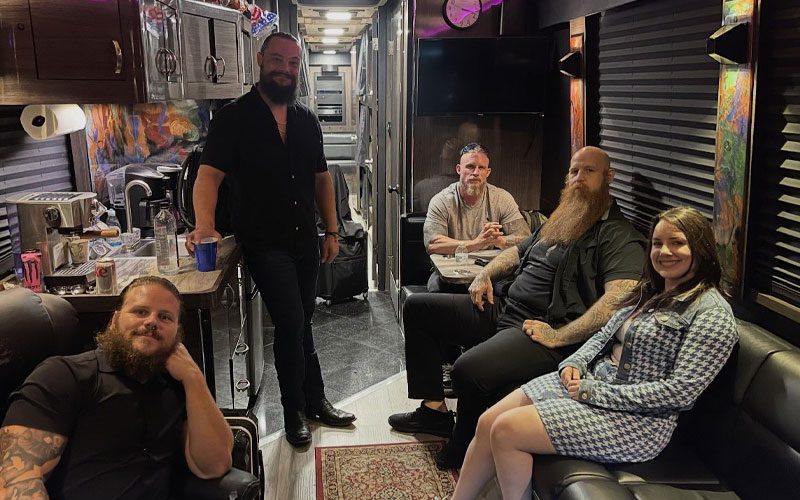
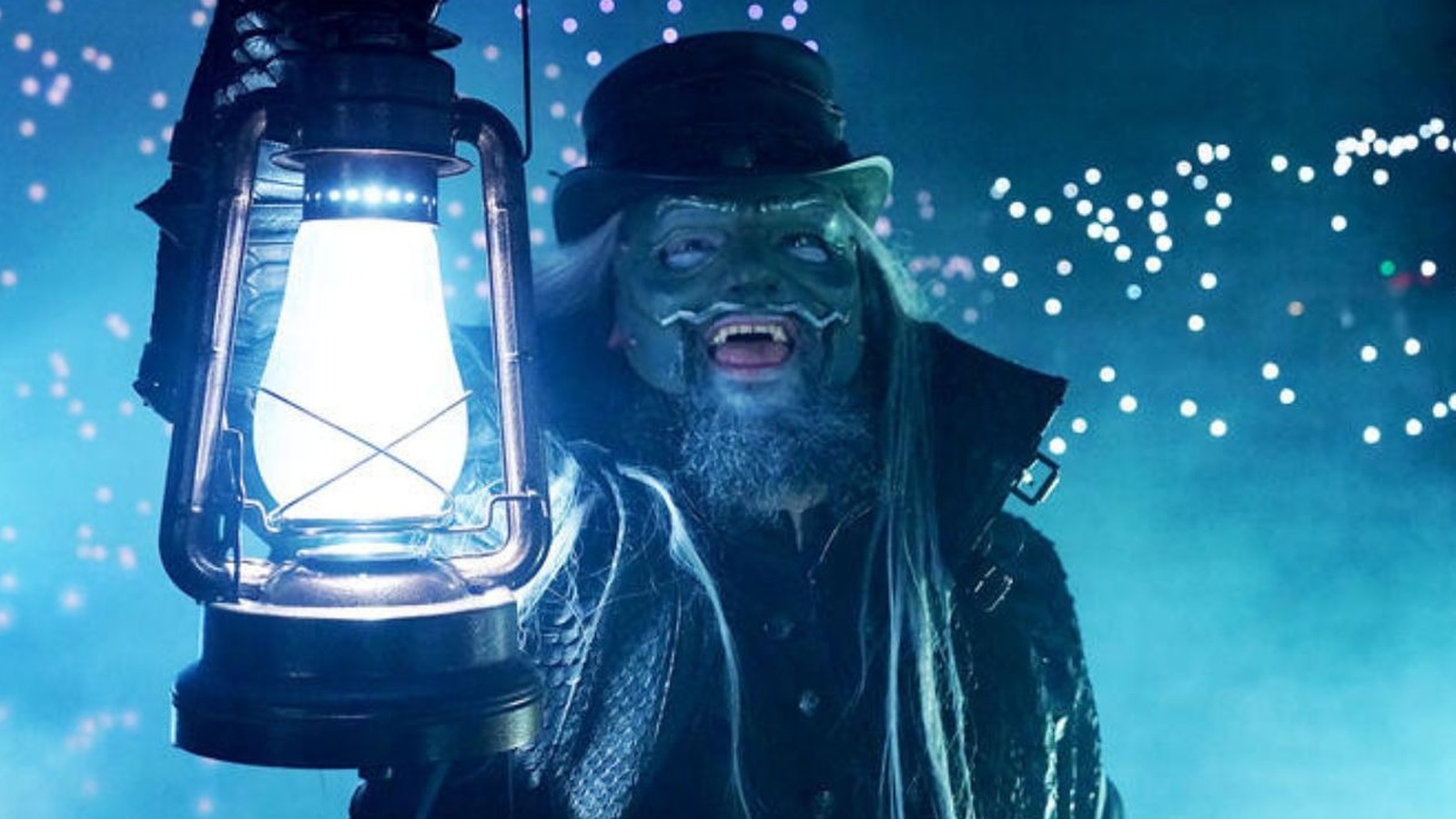
As of April 25, 2026, the mass departure of the Wyatt Sicks represents one of the most drastic singular roster purges in recent years. Within 24 hours, the ensemble cast—comprising Nikki Cross, Bo Dallas, Joe Gacy, and Erick Rowan—has been rendered extinct through corporate release.
This isn't merely a shift in talent; it is the violent severing of a creative thread. The group, which spent months building an atmospheric, character-driven identity, has seen its entire roster dismantled in a single 48-hour window ending April 24.
Mathematical inconsistency in creative strategy
When measuring success in modern wrestling, stable cohesion is often tracked by screen time versus narrative progression. Between their debut and their termination, the group oscillated between featured segments and long periods of total inactivity. Their exit leaves an immediate void in the mid-card, where they accounted for roughly 15 percent of the supernatural-themed programming blocks across weekly television cycles.
We can look at the historical data of major releases to understand the scale of this move. Unlike traditional cuts meant to trim fat from a 200-person roster, this targets an entire creative unit. According to reports from PWInsider, the total dissolution of the group suggests a top-down abandonment of the project's foundational premise.
The hidden cost of the post-WrestleMania window
Historically, the week following WrestleMania often results in a flurry of contract adjustments. However, the loss of specifically tied-together pillars like Bo Dallas and Erick Rowan creates a structural deficit in the roster’s layout. They leave behind zero active storylines to conclude, a point of failure in booking that stands in stark contrast to their consistent push throughout the first quarter of the year.
The move introduces unnecessary volatility. By removing the entire unit, the company has effectively erased the last six months of build, rendering the creative investment null. This is the antithesis of efficiency. The suddenness—documented across outlets like Wrestling Inc—forces an immediate re-jigging of the mid-card depth chart.
Missing the mark on retention
The most glaring oversight is the failure to utilize established multi-time champions like Nikki Cross after their transformation. When a performer with her equity is cut alongside newer projects, it suggests a lack of direction for the mid-card as a whole. This is a negative note in an otherwise high-revenue period for the promotion. Expecting the audience to pivot immediately to new talent without addressing the 100 percent turnover rate of this stable in a single day is a gamble that rarely pays off in long-term ratings.