The shadow of corporate austerity
As we barrel toward Backlash 2026 on May 9, the atmosphere inside the locker room feels distinctly colder than in previous calendar years. Reports circling the industry indicate that TKO management has implemented a 50% pay structure adjustment for specific talent tiers as part of broader cost-cutting mandates.
This shifts the stakes of every mid-card match at the upcoming event. When the company is aggressively trimming overhead, an underwhelming performance isn't just a creative failure; it is a direct threat to a wrestler's financial livelihood. We are shifting away from the era of guaranteed stability.
The booking implications of a leaner roster
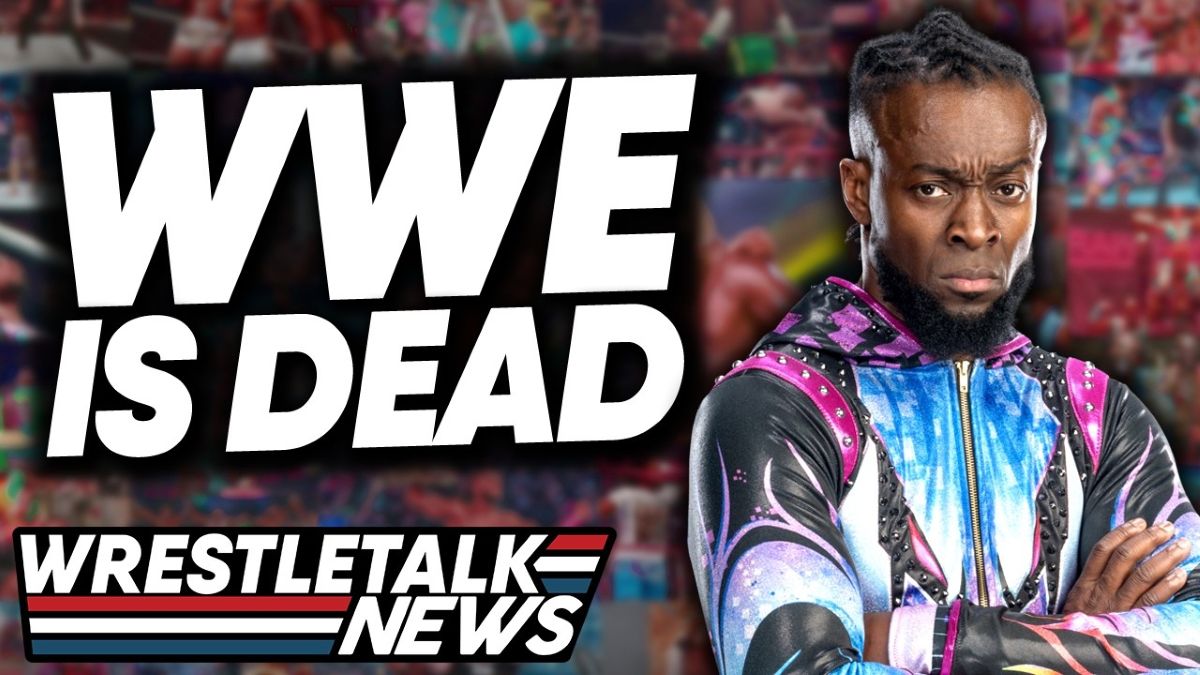
Matches on the May 9 card will likely carry a sense of desperation that hasn't been present in the recent cycles. If the metrics provided by WrestleTalk’s recent analysis are accurate, the pressure on the talent to justify their contracts is higher than at any point since the merger.
We should expect more rigid, safe work in the ring as performers try to avoid injury-related layoffs. This is an objective negative for the quality of the product. Wrestling thrives on risk, but a roster currently staring down a potential income reduction will lean heavily on high-percentage maneuvers rather than high-reward spots.
What to watch at Backlash
Tactically, monitor the pacing of the opening 30 minutes of the show. If the agents are ordering safer, slower work, you will see a high frequency of rest-holds and basic collar-and-elbow tie-ups designed to eat time without adding physical toll.
The real highlight will be whether the top-tier stars, who are presumably insulated from these specific cuts, decide to push the physical envelope to compensate for the mid-card malaise. Watch for the reliance on finish sequences. If we see an over-reliance on finishing moves early in the match, it suggests the producers are looking to shorten match durations to reduce potential liability.
My final internal assessment
I predict Backlash 2026 will be an technically sound but emotionally sterile execution of professional wrestling. The talent is too professional to deliver a disjointed mess, but the pervasive anxiety regarding TKO’s belt-tightening will prevent the kind of organic, high-octane flow that makes for generational matches.
Expect efficient, clinical wrestling that leaves the audience wanting more. This is no longer about the art of the sport; this is a survival exercise. I am bracing for a night of television that feels less like a spectacle and more like a budgetary ledger brought to life.
Read Next
- WWE Backlash expectations and the murky waters of post-draft talent management
- Why a massive WWE pay cut changes everything for Backlash
- WWE Backlash 2026 is a test of booking consistency in Tampa
- Why the Backlash first hour in Tampa is primed for a major debut
- 💥 WWE Backlash 2026 — Full Coverage Hub