The looming shadow of Backlash
Four days out from Backlash 2026, the promotion finds itself in an awkward creative stasis. The post-draft roster shifts have left several storylines feeling thin, particularly on the blue brand. With Roman Reigns recently pulled from June television dates, the heavy lifting falls to performers currently positioned in the upper-midcard. Their ability to bridge this gap over the next 90 minutes of broadcast time will define the success of this event.
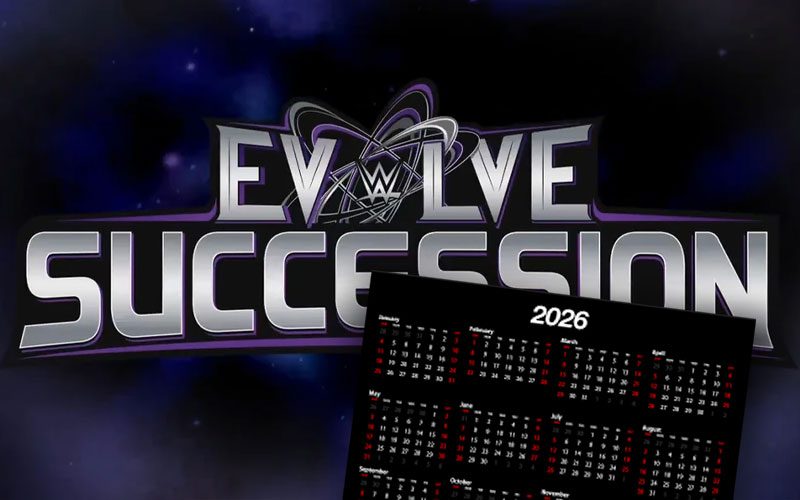
We are watching a company in transition. The WWE EVOLVE Succession III announcement suggests a pivot toward filling developmental gaps, but Backlash needs to deliver on the main roster immediately. The pressure is on to prove that the current creative direction isn't merely treading water while waiting for star power to return to the road.
Missing puzzle pieces and backstage reality
AJ Styles recently noted he was caught off guard by Kairi Sane’s departure. This speaks to a recurring issue of communication within the locker room. When talent is blindsided by exit news, it bleeds into the on-screen product. The lack of cohesion is visible when performers are moved without clear narrative trajectories, much like what we observed with JC Mateo's departure; his likely future landing points suggest the creative team simply didn't have a plan for his utilization.
The scheduling of Roman Reigns is the elephant in the room. Reporting from various outlets, including Ringside News, confirms his absence from June dates, which creates a vacuum. WWE historically struggles when the top of the card is light. Expect to see Cody Rhodes or Seth Rollins forced into double-duty to maintain the baseline high-stakes feel the fans expect.
The strategic calculation for Backlash
The betting markets and fan discourse are predictably focused on who takes the fall to balance the new roster distribution. I anticipate a technical showcase from the mid-card, likely a 15-minute opener built on chain wrestling and high-angle suplexes, intended to distract from the thin main event scene. If the pacing hits 14 minutes and finishes with a sequence of two finishers, it will be considered a qualitative victory.
However, the negative reality remains: the company relies too heavily on legacy stars to mask the lack of investment in younger talent. Witnessing the way developmental departures ripple upward, it’s clear the bench is shorter than management admits. This card needs more than a standard title defense to justify the buy rate.
My prediction for the main event is a title retention for the incumbent, likely via a count-out or interference finish to prolong the feud toward the summer. The match quality will struggle to reach 4.25 stars given the erratic buildup. You can expect a clean loss if a specific challenger wants to re-assert themselves in the title picture, but the current booking pattern points toward a non-finish. The organization is protecting its status quo at the expense of necessary evolution.