The illusion of safety at ringside
Professional wrestling relies on an intimate connection between the performers and the audience. For decades, that intimacy has been taken literally. You buy a front-row ticket, and you are close enough to catch sweat off a wrestler's brow. But the structural reality of ringside security is hanging by a thread. A recent column at BodySlam.net accurately pointed out the bizarre vulnerability of modern talent. The author correctly noted the dynamic: performers are put on a massive stage, wearing easily identifiable gear, surrounded by fans holding signs and merchandise. Yet the only thing separating a highly paid television star from an unpredictable crowd is a waist-high padded fence.
We have normalized a security setup that would be unacceptable in almost any other form of live entertainment. At a standard pop concert, the gap between the stage and the first row is heavily regulated. In wrestling, the barricade is right up against the action. Sometimes it is the action. We regularly see wrestlers thrown into the crowd, or fighting up the bleachers. The companies encourage this proximity because it looks great on television. The problem is that fans are increasingly crossing the line, and the security response times are consistently inadequate.
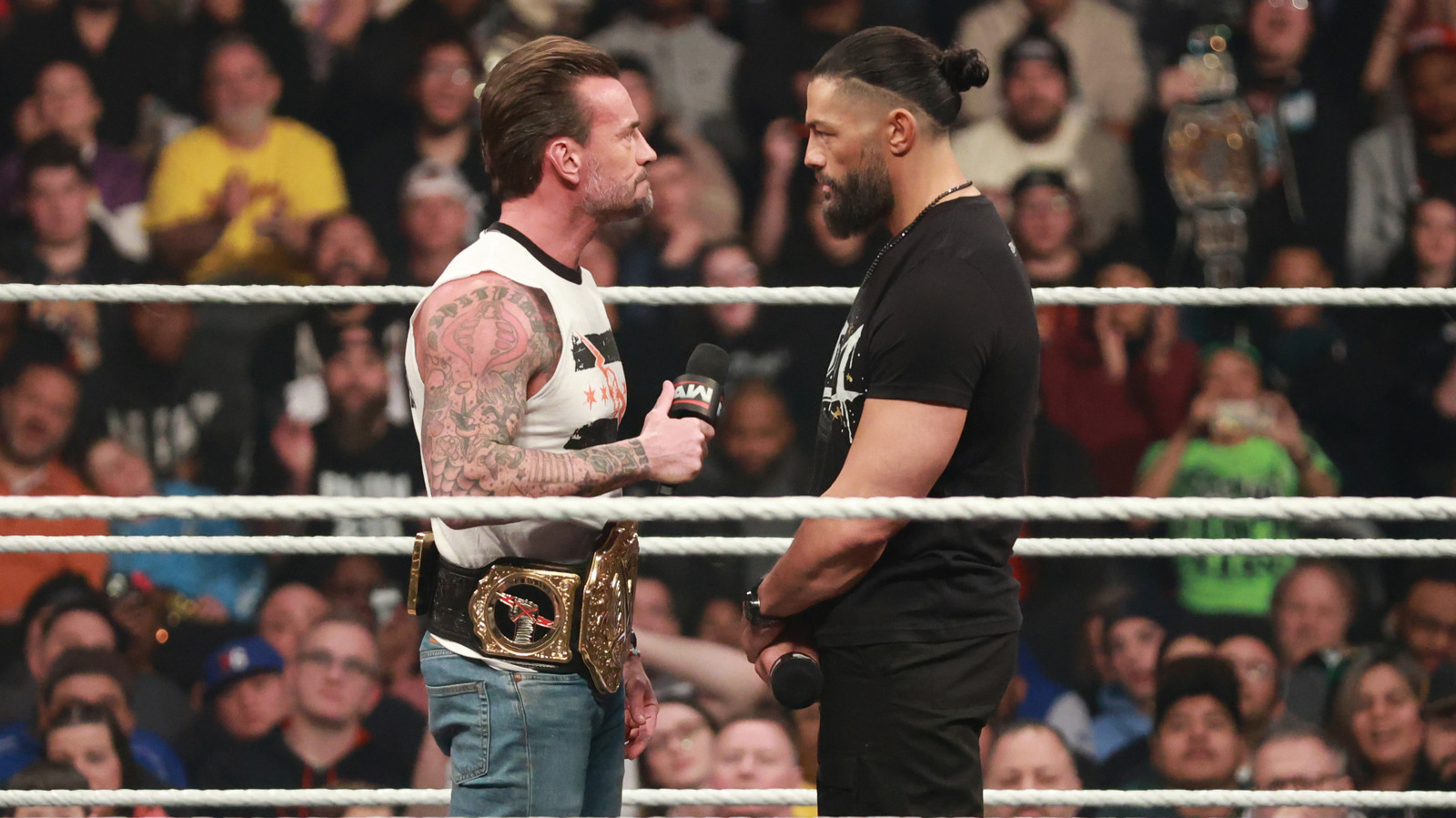
You don't need a deep dive into the archives to find the terrifying moments. We all saw a fan tackle Seth Rollins on the entrance ramp at a Raw in Brooklyn. We saw a spectator rush Bret Hart during the Hall of Fame ceremony. Chris Jericho had a fan enter the ring during an AEW broadcast. In every single instance, the immediate reaction from the building security was dangerously slow. Often, it's the wrestlers themselves or the referees who have to step in and handle the intruder. That is a massive operational failure on the part of the promotions.
The liability is getting too high
Wrestling companies cannot continue to operate on luck. Right now, both WWE and AEW are incredibly fortunate that none of these fan run-ins have resulted in a serious injury to a top star. If a main event talent suffers a torn ligament—or worse—because a drunken fan decided to hop the rail, the financial fallout would be catastrophic. We are talking about multi-million dollar television properties. You cannot leave the safety of your top assets in the hands of underpaid arena staff who are looking the wrong way when a fan decides to make a run for it.
The current protocol relies entirely on deterrence. The threat of arrest and a lifetime ban is supposed to keep fans in their seats. But deterrence doesn't work against people who are intoxicated or seeking viral fame. The math simply isn't in the promotions' favor. When you pack 15,000 people into an arena, the odds of at least one person acting erratically are high. Expecting a handful of yellow-shirted security guards to form an impenetrable wall around a 20-by-20 ring is unrealistic. The geometry of the standard wrestling setup is fundamentally flawed from a security standpoint.
WWE's production changes over the last year have made the product look more cinematic, but they haven't solved the core security issue. The cameras are getting closer to the action, but the physical barriers remain the same. The ringside area is cluttered with personnel, monitors, and cabling. When a fan breaches the perimeter, the chaos of the environment makes it difficult for security to react cleanly. It is a lawsuit waiting to happen, and the corporate ownership groups at TKO and Warner Bros. Discovery are eventually going to demand a structural change.
Predicting the new standard
Here is my prediction. Before the end of 2026, we are going to see a drastic, visible change to the physical layout of professional wrestling shows. The traditional ringside setup is going away. Both major companies will quietly implement a widened safety zone between the barricade and the actual ring. Right now, that gap is minimal. I predict we will see a mandated minimum distance of at least ten feet around the entire perimeter of the ring. This will effectively kill the "front row" experience as we know it, pushing the most expensive seats further back into the arena.
This change won't be announced with a press release. It will just quietly debut on a major broadcast. With WWE Backlash happening on May 9, and AEW Double or Nothing following on May 24, both companies are heading into major events in large venues. These are exactly the types of shows where new staging and security layouts are typically tested. I expect to see the ringside footprint expand, reducing the amount of floor seating available. It will be a subtle shift on television, but a massive one for the live experience.
Furthermore, the era of the crowd entrance is over. Performers like Jon Moxley have made the walk through the concourse a staple of their presentation. It looks incredibly cool. It is also an absolute nightmare for security coordinators. Having a top star wade through a sea of unvetted fans is an unnecessary risk. My prediction is that AEW management will completely ban talent from entering through the crowd by the end of the summer. The visual payoff is no longer worth the potential danger to the performer.
The end of the interactive era
There will be a vocal backlash from the fanbase when these changes happen. People pay a premium for those ringside seats specifically for the interaction. They want to pat their favorite wrestler on the back or slap hands during the entrance. Moving the barricade back and restricting talent movement will make the product feel slightly more sterile. It will create a distinct physical separation between the stage and the audience, mirroring a traditional theater setup. The hardcore fans will hate it.
But the hardcore fans don't write the insurance policies. The reality is that wrestling has outgrown its carnival roots. It is a highly sanitized, publicly traded, rigidly structured entertainment product. You cannot operate a modern media property while allowing random ticket buyers physical access to the performers. The BodySlam.net article highlighted a sentiment that talent has been whispering about for years. They do not feel safe walking down the ramp.
The lack of urgency from management up to this point has been baffling. It is a glaring blind spot in an otherwise tightly controlled industry. However, the corporate risk assessors are inevitably going to win this argument. The days of leaning over the guardrail and being part of the match are numbered. The front row is moving back, the crowd entrances are ending, and the barrier between the fan and the performer is about to become permanent. It is an unfortunate loss for the live atmosphere, but it is the only logical step left to protect the talent.