The stalemate killing the dream matches
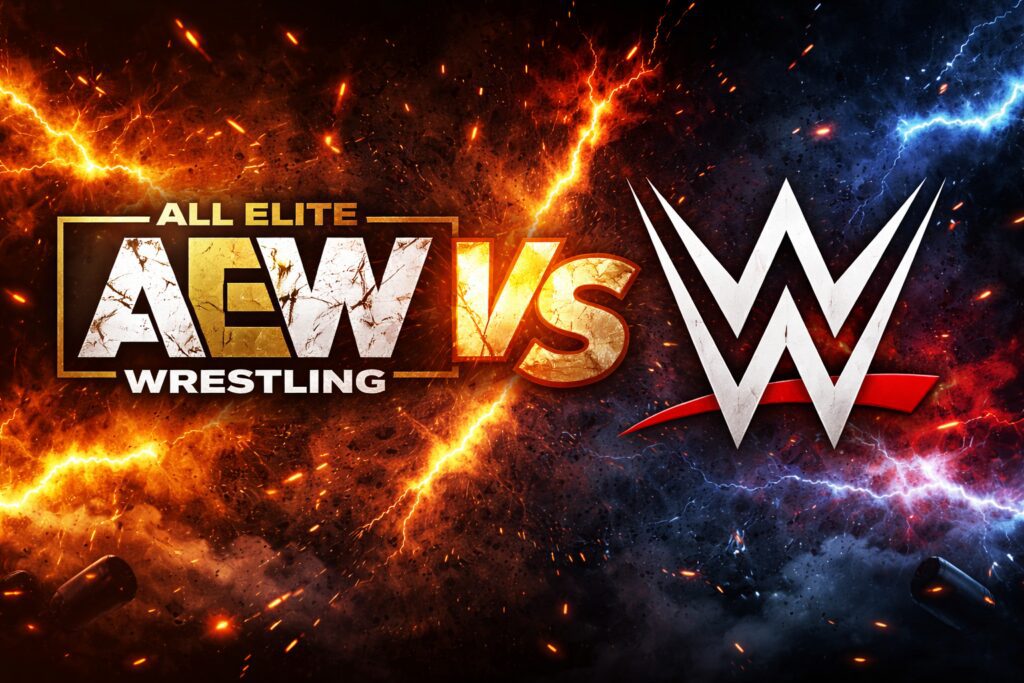
The industry chatter around a full-scale WWE and AEW crossover is hitting a fever pitch again, but it remains a professional pipedream. While fans online remain obsessed with the hypothetical logistics of a Forbidden Door event, the reality of the business model is shutting doors faster than they open. It is a stalemate built on the fundamental incompatibility of these two power structures.
WWE continues to operate as an entertainment juggernaut focused on its own branding and internal talent pipelines. When they invite outside workers into the fold, it is strictly on their terms. AEW, conversely, has built its entire identity on being the alternative gate. Merging these two worlds would erode the very friction that keeps AEW fans invested and WWE shareholders satisfied with the status quo.
The business logic behind the silence
The barrier here is not fan interest—it is the protection of intellectual property. WWE treats its stars as corporate assets, not as nomadic wanderers who can show up at a rival promotion for a one-off feud. The risk of diluting their prestige is simply too high, and they have no incentive to boost AEW’s visibility by validating them with a co-branded appearance.
AEW is equally entrenched in its own silo. While they have successfully navigated partnerships with independent outfits like NJPW or CMLL, those relationships function as supplemental content. A direct engagement with WWE would fundamentally change their identity. They would go from being the disruptor to being another partner at the table, a move that would arguably kill their underdog appeal.
This is where the fantasy booking feels disconnected from the boardroom. Fans want to see elite technicians lock up in dream matchups, but promoters want to secure market share. These are two different games, and they are currently being played on different continents.
Critical flaws in the current booking landscape
Looking at the trajectory as of April 24, 2026, the obsession with a forbidden door event acts as a distraction from the quality of the current product. Relying on the promise of future crossovers avoids the need for booking compelling internal stories. When promotions fixate on what they don't have, they often ignore the glaring gaps in the rosters they do control.
For instance, the storytelling in both promotions has at times felt repetitive, relying on recycled hierarchies rather than building new stars from the ground up. The fixation on who *isn't* there is a convenient excuse for stagnant creative. As recent reports on BodySlam.net have highlighted, the chatter continues to drive conversation, but it yields nothing of substance for the actual viewers.
The reality of the upcoming calendar
We are just 15 days away from WWE Backlash 2026. Given the pressure put on the summer schedule, with the FIFA World Cup starting in June, the promotional windows for any inter-company activity are nonexistent. Management is currently squeezed by a tight cycle that leaves no room for the complex negotiations required to land even one major outsider for a marquee spot.
The logistical nightmare of coordinating insurance, creative control, and merchandising shares for a one-off event is a move that would require a shift in ownership philosophy. Neither side seems willing to be the first to blink. Until the revenue stream changes or the talent pool faces a mass exodus that forces their hand, the Forbidden Door will remain closed for anything involving WWE.
Comparing this to the agility of other sports leagues, professional wrestling is arguably the only industry that intentionally stunts its growth by refusing to cross-pollinate. It keeps the fans hungry, yes, but it also creates a sense of fatigue. We are stuck in a loop of waiting for legends to align while the actual matches delivered feel like leftovers from a decade ago.
The bottom line is simple. Dream matches belong in the archives of forums and late-night podcasts. In the actual ring, the gatekeepers have spoken with their silence. We are living in a period of intense isolationism in wrestling, and no amount of social media pressure is going to force a change that threatens the bottom line at the hyperscale level.
If the goal of a promoter is to win, avoiding the competition is currently the winning strategy. They don't need a crossover event to move units. They have their own rhythms, their own pay-per-view cycles, and their own dedicated audiences. Why gamble on an outsider when you can build a house and keep everyone locked inside?
The era of true cross-promotional spontaneity has been replaced by carefully litigated contracts and rigid branding guidelines. We might see occasional talent trades down the line, but do not expect a major, high-stakes showdown anytime soon. The wall is too thick, and the incentive structure is weighted entirely against the fans getting what they want.