Measuring the Triple H era before the first bell
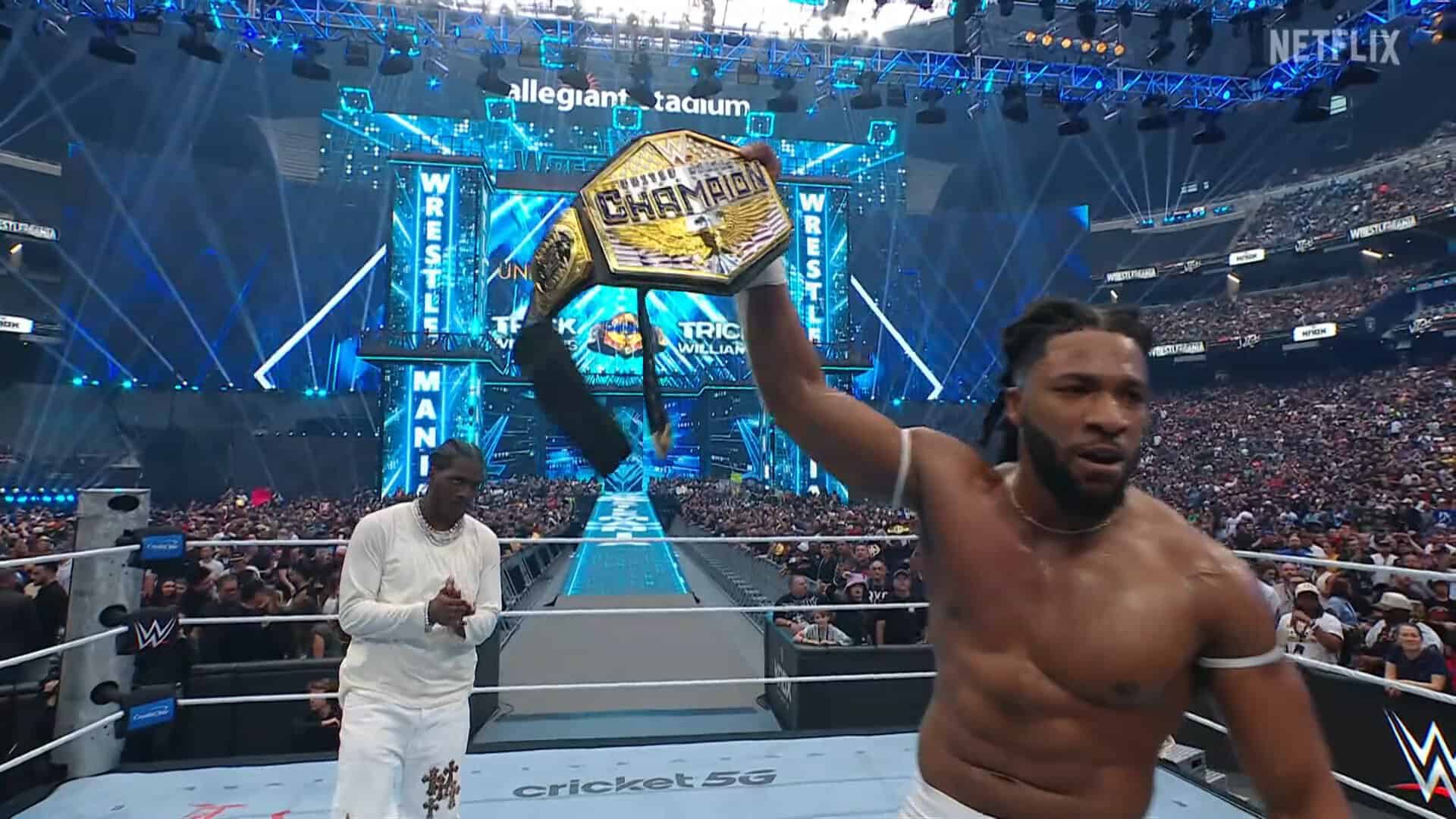
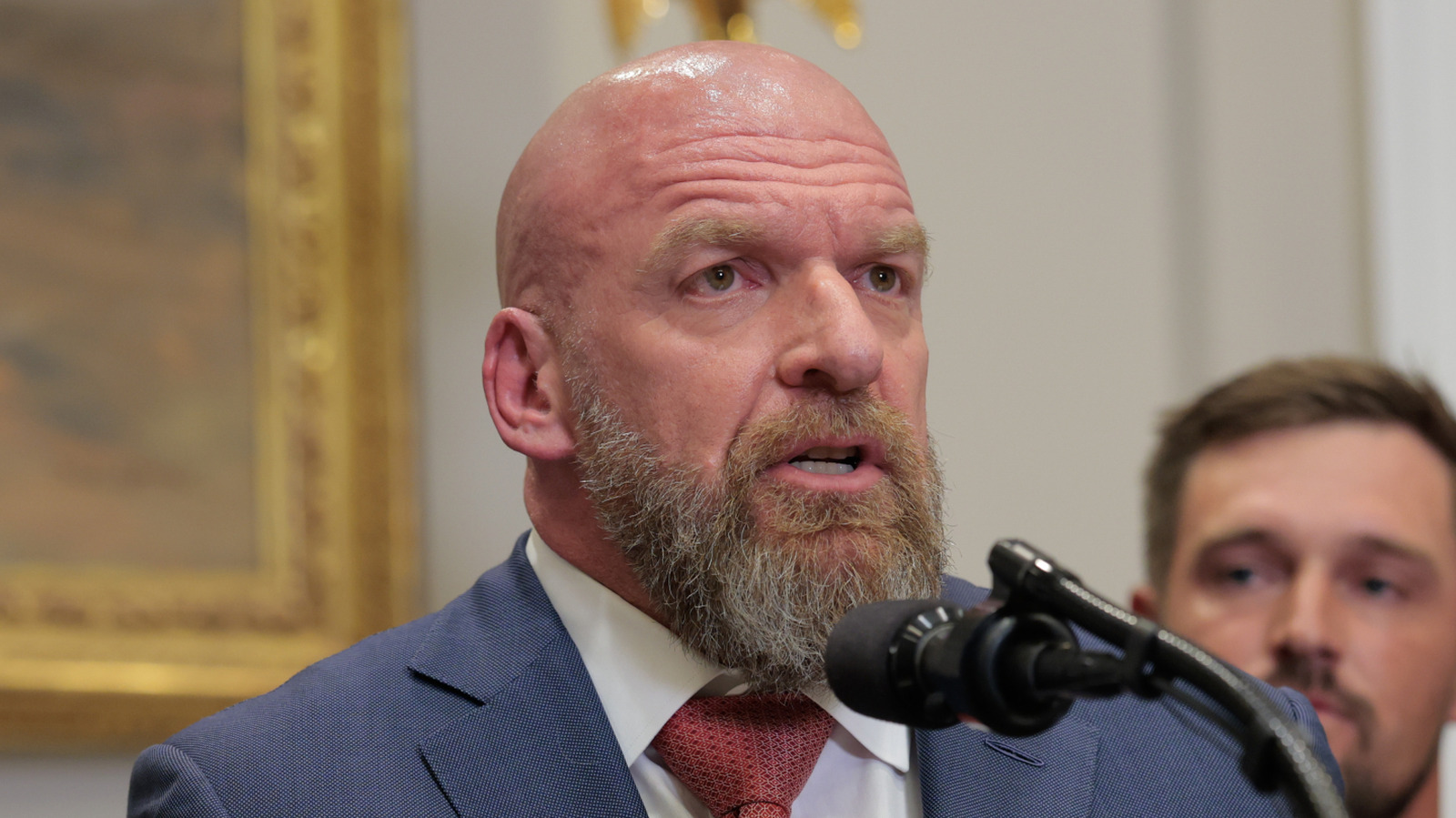
April 19, 2026. The atmosphere inside the stadium is dense. We are mere hours away from the opening bell of WrestleMania 41, and the narrative stakes are higher than any pyro-heavy display. Triple H has spent the better part of two years refining the pacing of premium live events, but this weekend serves as a definitive audit of that philosophy.
Technical precision is the new requirement. The days of relying on massive set pieces to carry a card are effectively over. Tonight, viewers want clean transitions and logical selling. If a performer executes a high-risk maneuver, the follow-up strike timing must be perfect. Any lag in the flow between the mid-card and the main event will be immediately apparent to an audience that has been conditioned to expect a faster match-call cadence.
The evolution of wrestler stamina
We are watching a shift toward higher-workrate matches that prioritize cardio management. Take note of the rest-hold usage compared to the 2022 benchmarks. The average match duration has crept upward, meaning wrestlers are now averaging 22 minutes per headlining bout. Efficiency is the key to preventing the lulls that plagued the mid-2020 cards.
However, the Triple H era is not without its procedural flaws. Too many disqualification finishes in the lead-up to these major shows have diluted the heat of otherwise excellent feuds. Booking continuity is the primary critique here. We have seen champions traded with minimal story justification, creating a volatility that makes it difficult for casual fans to track who sits at the top of the hierarchy.
The inevitable exit of the part-time contributors
The roster is currently in a state of flux regarding its reliance on non-full-time performers. The conversation surrounding the roster's future was recently sharpened by reports that Pat McAfee plans to pull back from his wrestling commitments, with his family confirming plans to move on after his contractual obligations conclude. This signals a strategic shift: the current regime is signaling a move toward building stars who appear on Monday and Friday nights, rather than relying on broadcasting talent to fuel the spectacle.
This makes the outcomes tonight more than just wins in a ledger. They represent the internal promotion structure. I expect a heavy lean toward established long-term talent in the closing matches—specifically those who have maintained a presence since the start of the year. If we see a surprise title change on a non-main event match, it will be the clearest indicator yet that the creative team is pivoting toward a younger, leaner roster ahead of the busy summer schedules, including the upcoming WWE Backlash event in May.
The bottom line for Night 1
My prediction for the night? Expect a clinical, if somewhat predictable, opening act followed by a main event that goes at least 30 minutes. The focus will be on ring psychology over spectacle. Triple H knows his audience is watching the clock. If the event hits its stride by the third match, it will be a historic success. Anything less, and the critics will point to the reliance on recycled tropes as a sign that the Triple H era is losing its creative momentum.
Read Next