The shadow circuit gains momentum
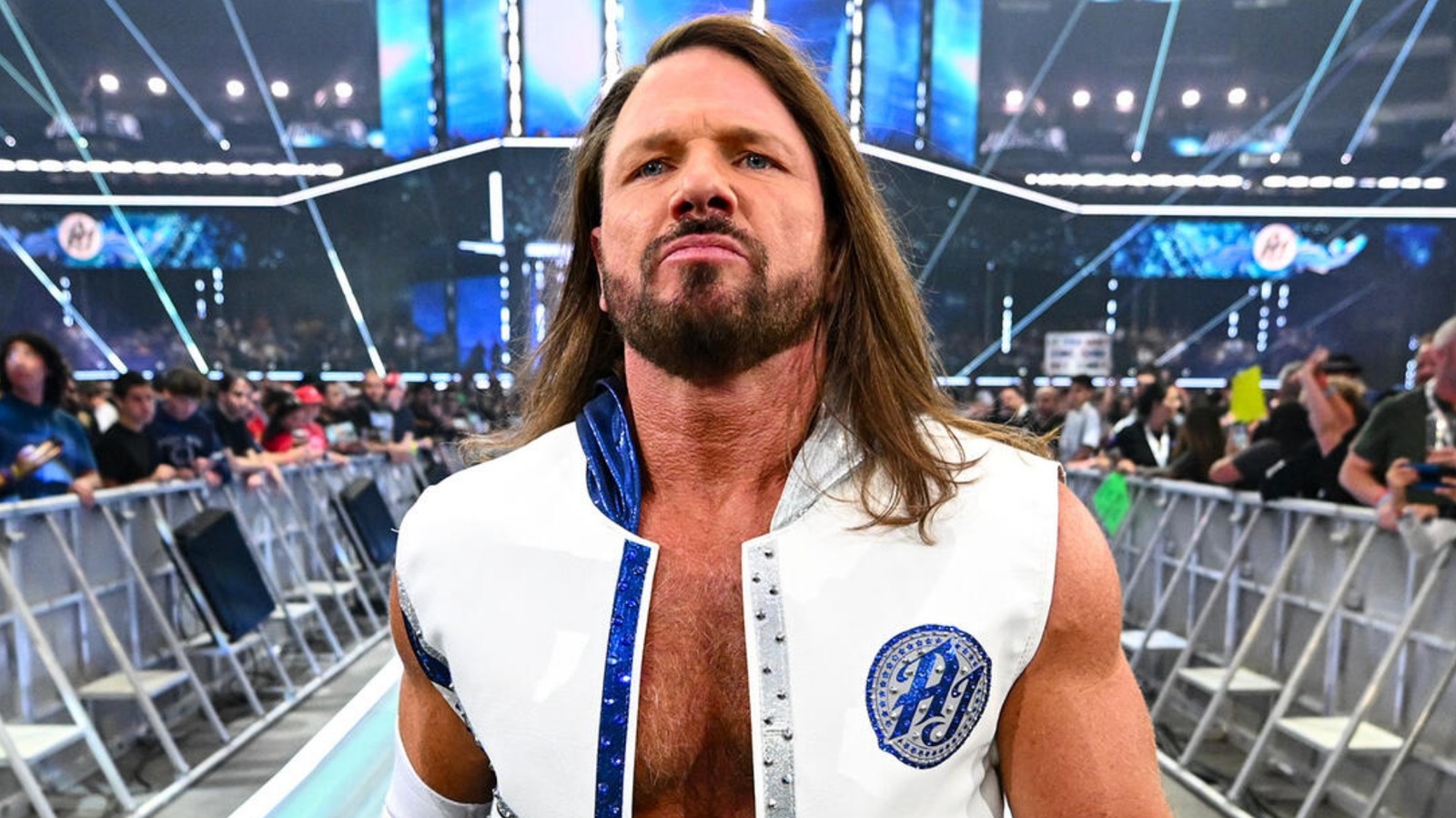
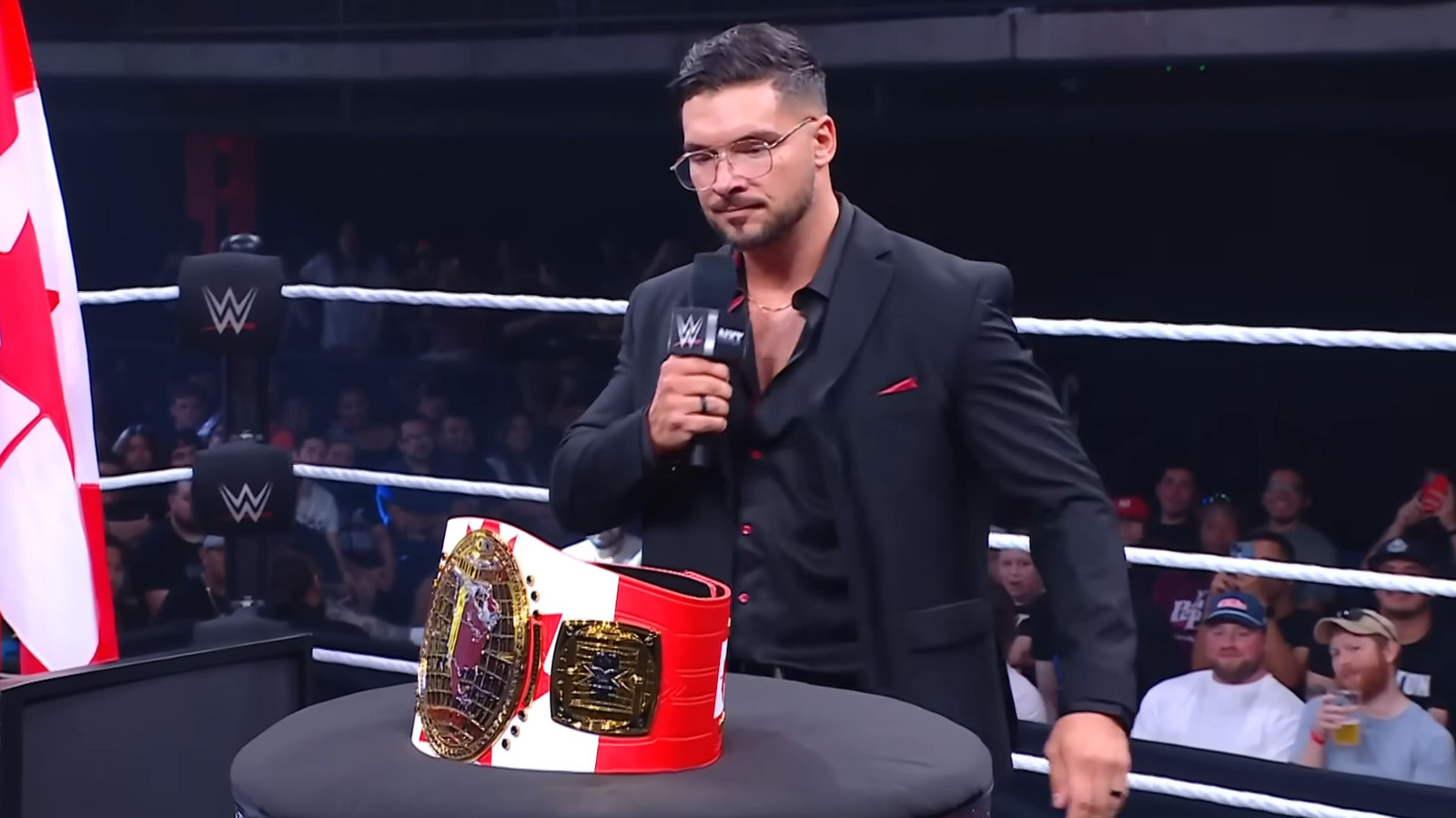
As we approach April 19, the focus naturally shifts to the bright lights of Allegiant Stadium. WWE spends millions polishing its corporate presentation for WrestleMania 41, but the true pulse of the weekend often beats in the crowded convention halls. WrestleCon has released its updated guest list for the Las Vegas festivities, and the sheer volume of independent talent on display suggests a divergent priority for the hardcore audience.
The business model here is simple physics: you cannot consume two events simultaneously. With WWE running a massive show, the decision to host a talent-heavy convention in the same city forces the die-hard fan to choose between a stadium production and individual accessibility. When you look at the names appearing at WrestleCon, you see a deliberate attempt to capture the portion of the market that prioritizes proximity over pyro.
The economics of the autograph line
Management at these independent conventions operates on a razor-thin margin. Bringing in legacy stars and current high-tier independent workers requires significant upfront costs. If you scan the PWInsider report on the recent additions, the mix includes both retired legends and active names currently moving units on the circuit. This is a direct play for the nostalgia dollar, which remains the most reliable revenue stream in professional wrestling.
However, the skepticism remains warranted regarding logistics. Hosting an event of this size during a weekend where the city's hotel prices inflate by 300 percent creates a barrier to entry that only the most dedicated supporters can clear. You are asking fans to pay a premium for admission, only to pay further premiums for photos and signatures. It is a grueling, expensive marathon for the consumer, regardless of how much they love the product.
Missing the wrestling
The core issue with these massive fan conventions is the opportunity cost. While fans spend three hours waiting in a line for a signed 8x10, they are actively missing the secondary independent shows that often feature superior bell-to-bell action. It has become a trend where the convention itself, rather than the ring, becomes the focal point for the duration of the trip.
If you prefer watching high-level technical wrestling, you are better off seeking out the smaller, peripheral shows taking place in the Vegas suburbs away from the convention center. The convention is essentially a high-end bazaar, and while it provides value for collectors, it contributes almost nothing to the actual development of the sport. It is a commercial exercise dressed up as a community gathering.
My prediction for the weekend is simple: the queues will be longest for the stars whose peaks occurred twenty years ago. The industry remains tethered to its past, and until the current crop of independent talent can match the drawing power of the legends appearing in Las Vegas, these conventions will continue to be museums rather than launchpads. Go for the history, but don't expect to see the future of the sport in the trade show floor.
Read Next