The shifting identity of the independent showcase
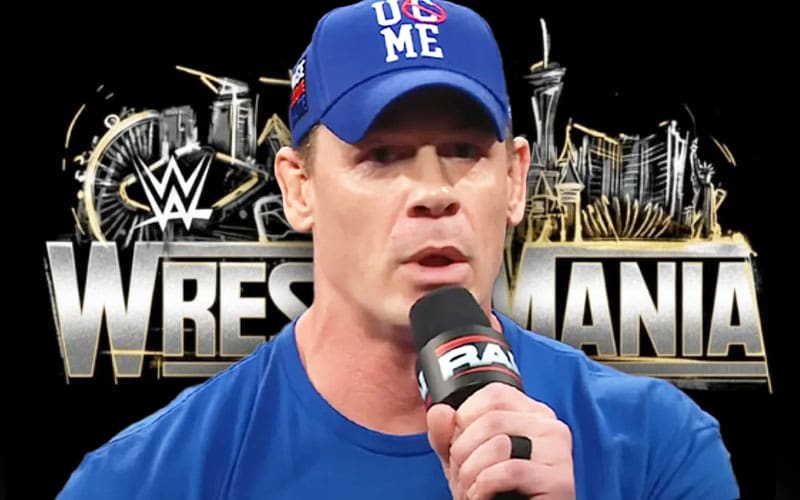
The Mark Hitchcock Memorial Supershow has long served as the heartbeat of WrestleMania weekend. As recent updates to the lineup suggest, the 2026 iteration in Las Vegas is leaning hard into the high-variance, high-reward style that defines the independent scene. It is a balancing act between honoring the traditional wrestling roots and the modern need for viral moments.
Vegas brings a unique energy that previous host cities lacked. The proximity to the main event stage creates a pressure cooker for talent looking to break out of the mid-card doldrums. When you look at the current card construction, the organizers are clearly prioritizing speed and technical variety over the slow-burn storytelling that dominates television wrestling.
The booking flaws that haunt the card
Despite the star power, there is a tangible lack of cohesive narrative flow. Shows like this often suffer from a 'collection of matches' syndrome, where individual bouts feel isolated from one another. It is difficult to build sustained heat when the audience is bombarded with a rotating cast of characters who have no prior history.
The pacing issues are also a concern. In previous years, the show has dragged in the middle, failing to capitalize on the momentum of the opening contests. If the producers cannot tighten the transitions between the technical showcases and the brawls, the crowd might find itself exhausted long before the main event finishes.
TNA and the shadow of the majors
It is impossible to watch these independent showcases without acknowledging the presence of TNA. Their own Sacrifice event lineup highlights how difficult it is for indie promotions to carve out a distinct identity when the larger entities are constantly poaching talent. The talent exchange programs are a double-edged sword that provides visibility but often strips the local scenes of their top-tier draws.
The reliance on established names from major promotions feels like a safety net. While it guarantees ticket sales, it stunts the growth of the next generation of independent stars who need the spotlight to prove their worth. A supershow should be a platform for discovery, not just a holding pen for contracted talent waiting for their next big television angle.
The bottom line on the Vegas experiment
The 2026 event will likely be remembered for its sheer volume of action. Whether that translates into a memorable experience depends on the execution of the final three matches. If the booking can pivot toward focused rivalries rather than exhibition-style contests, it has the potential to be a highlight of the year.
However, the risk of over-saturation is high. Fans are being asked to digest a massive amount of content in a very short window. If the quality of the in-ring work doesn't remain consistent, the casual observer might find the entire experience overwhelming rather than exciting.