Public return confirmed
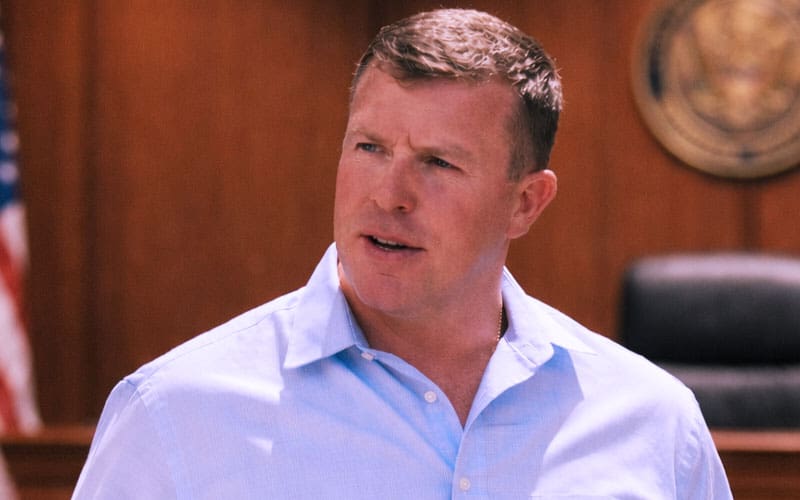
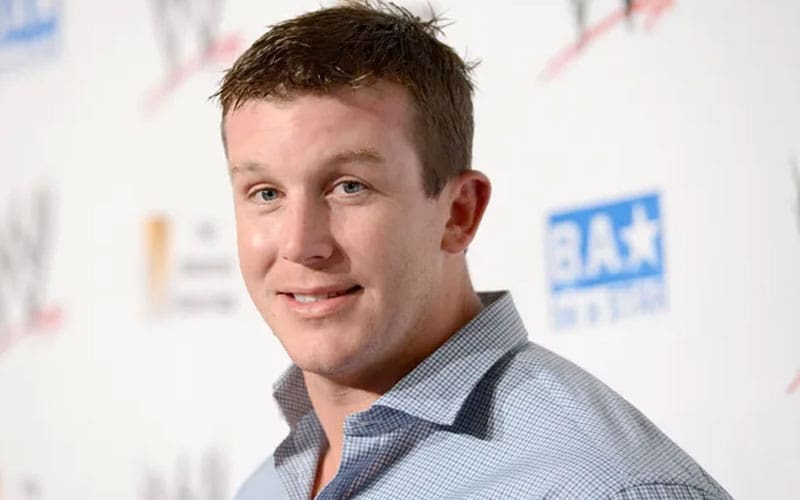
The landscape of professional wrestling appearances has shifted as Ted DiBiase Jr. prepares for his first high-profile event following the conclusion of his federal case. After being acquitted of all charges, DiBiase Jr. is set to break a long period of public silence by appearing at WrestleCon.
This development, confirmed by PWInsider, signals a move toward career normalcy after a tumultuous legal battle interrupted his industry presence. While he will not be competing in the ring, the convention environment serves as the primary gateway for his re-entry into the grappling circuit.
The WrestleCon strategy
WrestleCon represents a significant cultural anchor during the week surrounding WrestleMania 41. By choosing this venue, DiBiase Jr. is positioning himself in the most heavily trafficked hub for fans and industry professionals simultaneously.
The logistics of his appearance suggest a focus on fan engagement and autograph sessions rather than a formal return to television programming. As reported by F4WOnline, the organizers have prioritized his attendance to capitalize on the high volume of foot traffic expected in the days leading into the show. It is a traditional route for former performers seeking to gauge public reception before committing to larger media ventures.
Legacy, celebrity, and friction
DiBiase Jr.’s re-emergence comes alongside a broader debate within the family regarding the state of modern induction processes. His father, Ted DiBiase, has recently expressed notable frustration regarding the inclusion of non-wrestlers in the WWE Hall of Fame.
Specifically, the elder DiBiase voiced public disdain for the induction of Dennis Rodman, arguing against the value of celebrity appointments. This creates a complex dynamic for the family, as the younger DiBiase attempts to reclaim his own status while the elder DiBiase openly critiques the standards of the company that once held them both as marquee attractions.
Historical context and risks
Historically, performers returning to the industry after lengthy legal absences often face significant challenges in re-establishing their brand. The industry is less concerned with the minutiae of legal filings than with the ability to draw interest during convention weekends.
However, the skepticism remains. Marketing an individual whose public image was tied to a lengthy criminal trial is a double-edged sword for event promoters. While the novelty will likely drive short-term ticket sales for his booth at WrestleCon, it may alienate corporate partners who prefer to avoid proximity to controversial figures.
The move suggests he is betting that the core fanbase—often the most forgiving demographic—will prioritize his past work over recent headlines. Whether this functions as a one-off attempt at rehabilitation or a precursor to a wider return remains speculative at this juncture.
The reality is that WrestleCon demand dictates the success of independent signings. If DiBiase Jr. can command lines comparable to his peers, other promoters may feel emboldened to book him for regional shows throughout the summer. If sales lag, his path back to active participation will narrow significantly.
For now, focus remains on the recent reporting regarding his schedule and his ability to navigate the transition from a court defendant to a public figure. The proximity to WrestleMania 41 ensures that the optics of this return will be amplified, potentially overshadowing the event itself for a segment of the audience.
A critical observation: booking a public appearance so soon after a significant legal ordeal is a high-stakes gamble on audience perception. The industry is currently preoccupied with the WrestleMania 41 card, which Ted DiBiase's recent rhetoric threatens to undercut by highlighting systemic dissatisfaction within the WWE's own legends program. The total tally of impact from this return will be measured not by his reception, but by whether the industry views his brand as a viable asset or a liability moving toward the 2026 back-end schedule.