The shadow of Michigan wrestling royalty
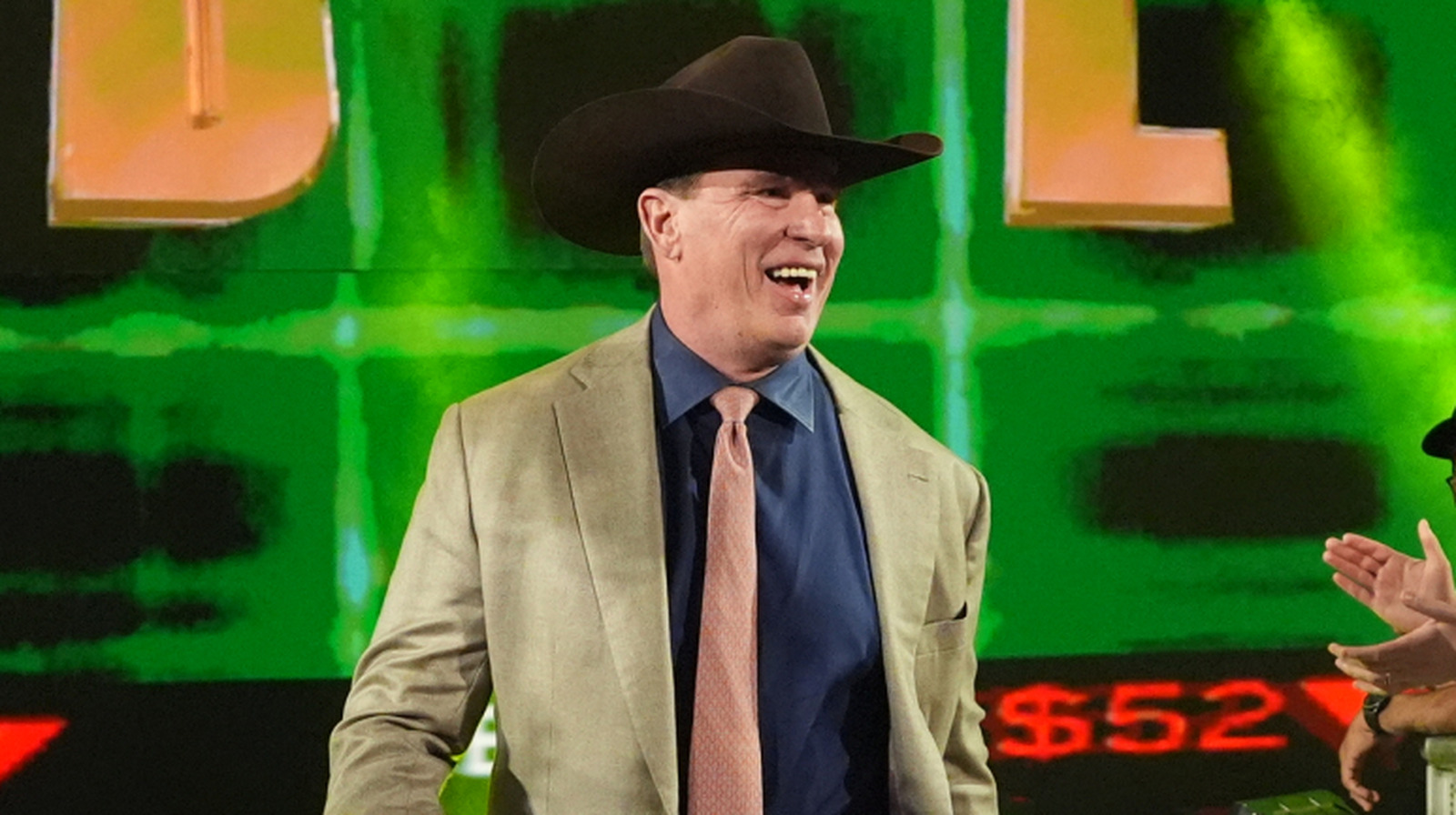
Pull up a barstool and let's talk about the endless internet outrage machine. Whenever Triple H drops a single line in a behind-the-scenes documentary, half of the pro wrestling internet loses its collective mind. Case in point: Hunter's comment on WWE Unreal stating that Bron Breakker's primary challenge is "don't become just the next Steiner." Immediately, keyboard warriors ran to their forums screaming that Levesque was taking a cheap shot at Rick and Scott Steiner. Enter John Bradshaw Layfield, speaking on Something to Wrestle, to inject a much-needed dose of locker room reality into the conversation.
JBL flatly rejected the notion that Triple H was burying the former WCW Tag Team Champions. In fact, Layfield went out of his way to praise the family heritage. As JBL noted on the podcast,
"Rick and Scott were the best tag team in the world in the early '90s, and nobody was close. Man, those guys were so freaking good. People don't understand how great Rick and Scott were."He highlighted how Scott Steiner pioneered explosive strength moves that modern workers copy today. So no, nobody is disrespecting the Big Poppa Pump lineage.
The heavy burden of a legendary last name
The core of Triple H's argument—and JBL's defense—comes down to a simple truth in sports entertainment: trying to be a direct sequel is a death sentence. JBL spelled it out plainly when analyzing the psychological trap of wrestling legacy.
"You don't want to be the next anything. Nobody wants to be the next anything, and the next anything's never as good,"Layfield explained. He pointed out that while fans constantly clamor for the next Stone Cold or the next Hulk Hogan, history proves that every megastar who reaches the absolute top does so by carving out an entirely distinct identity.
When a second- or third-generation athlete walks into the ring carrying an iconic surname, the audience automatically measures them against decades of nostalgia. JBL cited Charlotte Flair and Cody Rhodes as rare exceptions who successfully navigated that minefield. Passing down a name like Flair or Rhodes forces an athlete to spend the first five years of their career trying to escape a shadow rather than building a brand. By re-branding Bronson Rechsteiner as Bron Breakker, WWE stripped away that anchor while keeping his physical DNA intact.
Building a monster without the nostalgia crutch
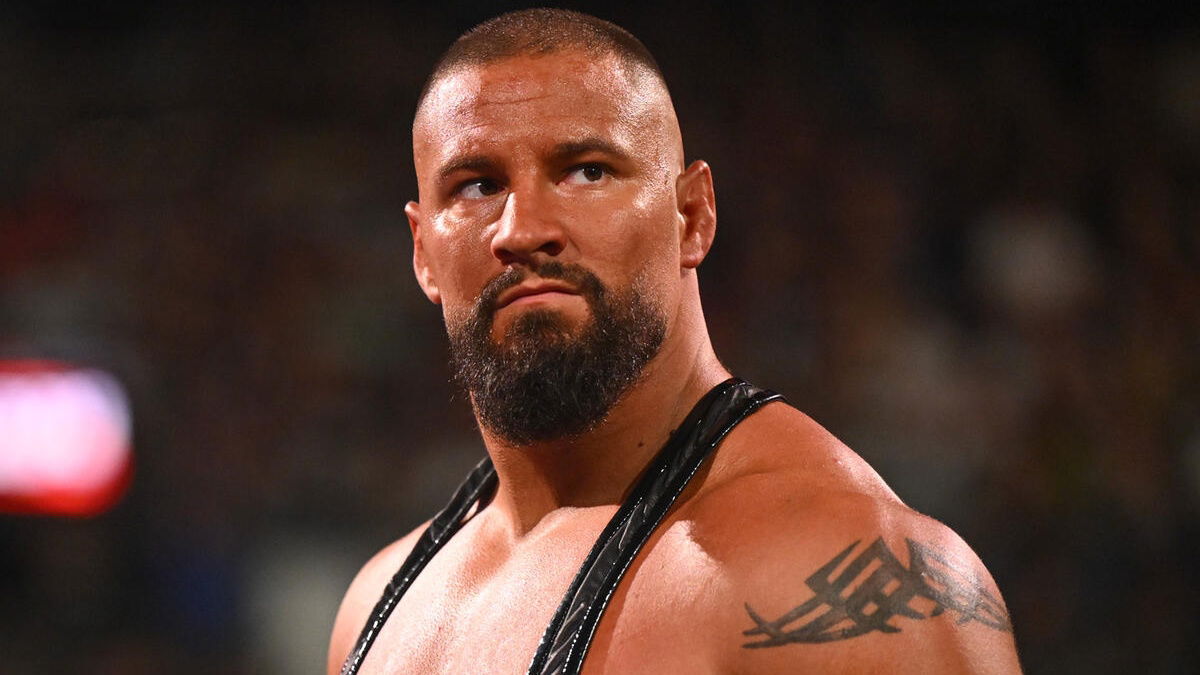
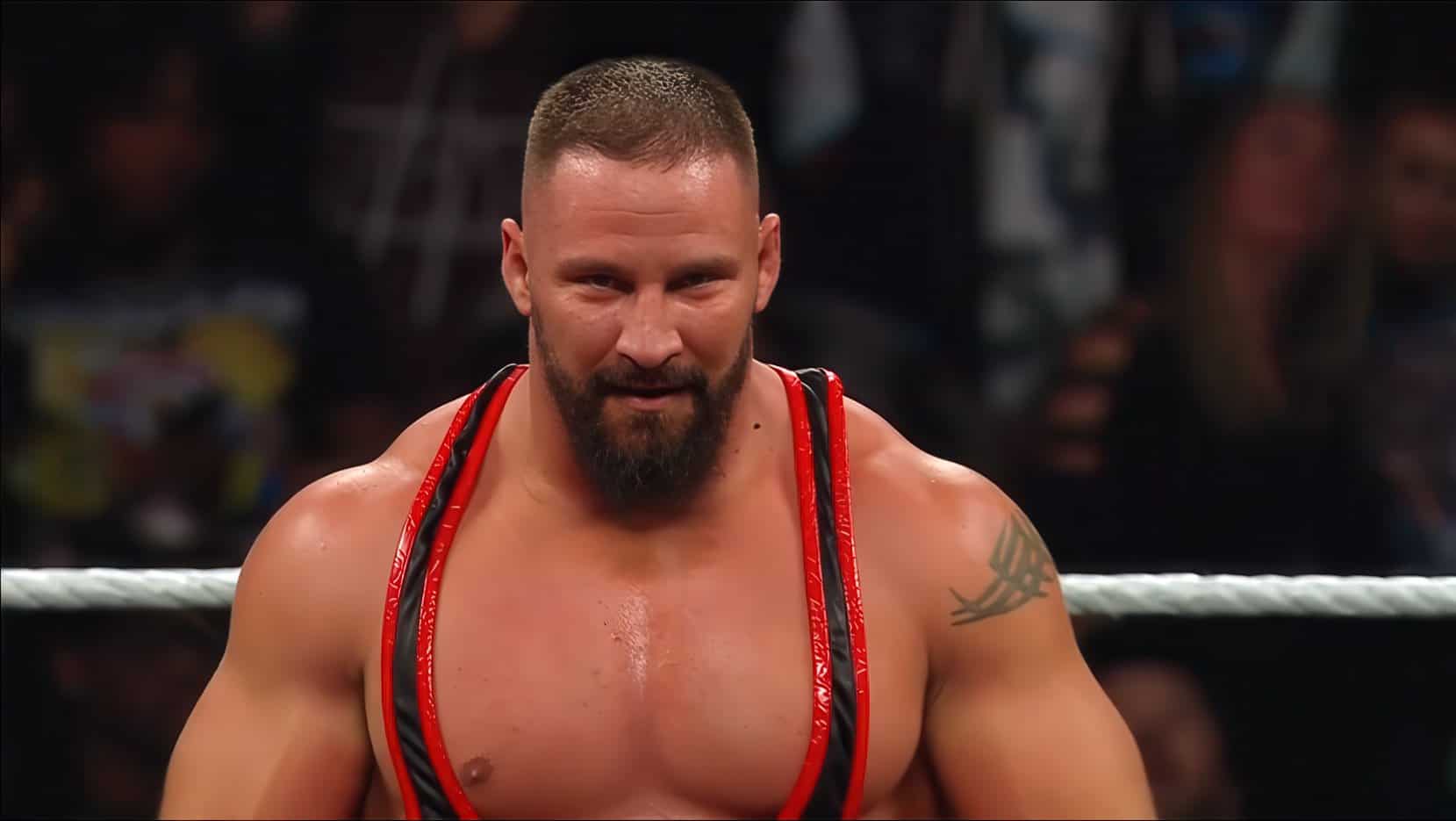
Let's be completely real about Bron Breakker's main roster trajectory. The guy hits the ropes like a freight train, spears opponents into the shadow realm, and possesses raw intensity that cannot be taught. If you slap the name Bron Steiner on him, every single promo review becomes a comparison to Scott's iconic 1999 rants or Rick's dog-collar matches. By keeping the Breakker moniker, WWE allowed him to establish his own ruthless persona first. Nobody is hiding his heritage—every commentary team mentions his father Rick Steiner and uncle Scott—but he isn't handcuffed to their gimmick.
JBL contrasted this modern strategy with Vince McMahon's old-school missteps. Layfield recalled when Deuce (the son of Jimmy Snuka) debuted on SmackDown.
"I remember when Jimmy Snuka's kid debuted, and Vince didn't want us to mention it at all,"JBL shared, noting that management later panicked and tried to give him a boost by shoehorning the heritage in far too late. Breakker gets the best of both worlds: full credit for his elite athletic lineage without the creative burden of being a cover band.
The booking verdict on WWE's next powerhouse
While the strategy behind Bron Breakker's name change is sound, WWE's handling of his creative push hasn't been without minor stumbles. Giving him a fresh identity was a masterstroke, but rushing through short-burst squash matches can occasionally limit his ring-generalship development. Pushing a 230-pound explosive athlete requires long-term storytelling, not just quick Spears in 90-second TV windows. If Triple H wants Breakker to transcend his family's legacy, the booking needs to test his character in deep-water promos and sustained main-event feuds.
Ultimately, JBL's breakdown exposes how reactionary wrestling commentary can be. Triple H wasn't slamming WCW icons; he was outlining the blueprint for creating a standalone box-office draw. Bron Breakker doesn't need to be the next Steiner because he has everything required to be the first Bron Breakker. If he keeps flattening opponents and refining his work, we'll look back at this name debate as a minor footnote in a Hall of Fame career.