
Booking Bron Breakker was the right call to avoid a Royal Rumble catastrophe
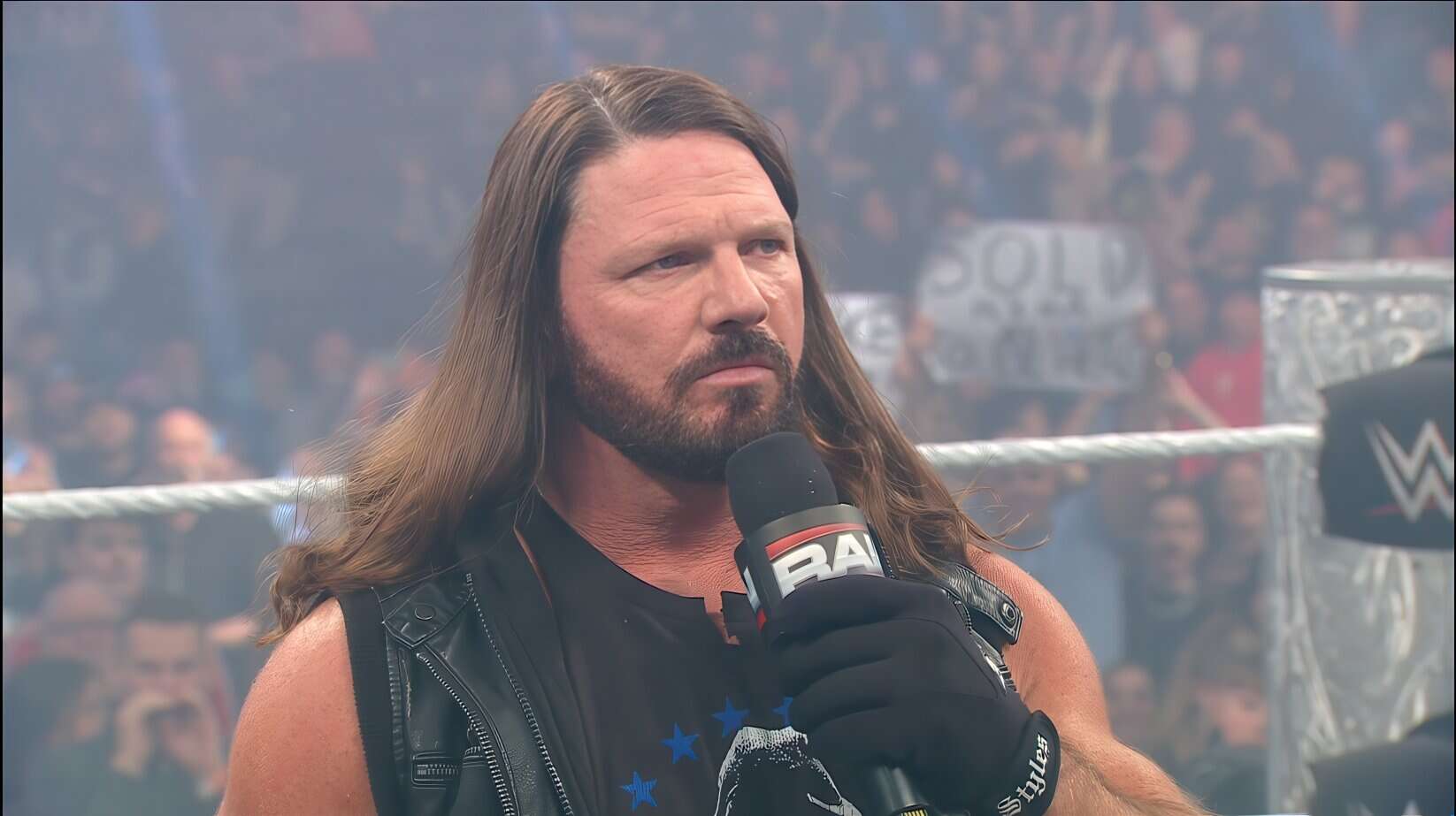
The creative friction behind the 2026 Royal Rumble
The recent revelations from the Netflix series WWE Unreal have pulled back the curtain on the internal debate regarding the January 2026 men’s Royal Rumble winner. Documentation confirms that Bron Breakker was a leading candidate for the victory, a pitch that sparked significant internal resistance from Triple H. While fans often clamor for new stars to receive the rocket push, the hesitation here was not just standard caution. It was a recognition of the specific narrative weight required to headline a premium live event.
As reported by Wrestling Inc, the booking process for the 2026 rumble was contentious. Triple H’s apparent skepticism suggests a desire to protect the long-term viability of talent versus a short-term adrenaline shot in the standings. Placing a younger performer into a main event slot before the audience fully invests in their journey often results in diminished returns. Pushing for immediate elevation regardless of momentum is how a promotion burns through its most valuable assets.
The weight of an unplanned retirement
The landscape of the January card was irreparably altered by an event far more significant than the Rumble winner: the retirement of AJ Styles. As detailed in reports regarding AJ Styles’ decision to hang up his boots at the Rumble rather than a later date, the industry was caught entirely off guard. Dragon Lee’s observation that nobody expected this outcome highlights the internal volatility that occurred during that specific broadcast.
Styles choosing the Rumble for his finale shifted the structural balance of the entire show. When a legend of that caliber exits on a non-traditional stage, it creates a void in expectation. Had the company committed to a polarizing win like Breakker’s in the same window, the event’s final act would have been muddled. Instead, the focus remained on the legacy of a veteran performer, providing a clean emotional conclusion that the 2026 production needed to maintain its prestige.
The danger of 'The Next Big Thing' syndrome
Assigning a wrestler the identity of a successor is a creative trap. Dragon Lee’s recent comments about refusing to become the next Rey Mysterio underscore a growing trend of performers demanding autonomy. Pushing someone like Breakker as a forced successor or an immediate throne-claimer ignores the work required to build a personal brand. It simplifies wrestling into a slot-filling exercise rather than a character-driven drama.
The creative staff’s internal friction serves as a necessary check on reactionary booking. If the pitch had gone through, the audience would have been presented with a result that ignored the developmental arc actually occurring on television. A victory in the Rumble requires more than just physical capacity or intensity; it necessitates a narrative justification that the fans can accept without caveat.
Flaws in the modern developmental pipeline
One major critique remains: if the creative team is still throwing out candidates for major wins during filming, the long-term planning for 2026 appears reactive at best. Relying on last-minute pivots or relying on series like WWE Unreal to explain why a decision didn't happen creates a secondary layer of fiction that confuses the fanbase. It suggests that major creative outcomes are subject to shifting winds rather than coherent, multi-month trajectories.
The fans were saved from the risk of a premature coronation. Watching the tape back, any version of the 2026 Rumble that prioritized a push over a storied farewell would have felt like a miscalculation of scale. While Breakker has the athleticism to carry a program, the timing displayed in the final product reflects a higher level of discipline from leadership. They prioritized the emotional weight of a retirement over the mechanical necessity of anointing a new champion, a rare moment of restraint in a business traditionally desperate to find the next sensation.
Mueller Sports Medicine Self-Adjusting Knee Stabilizer
Essential gear for the backyard superstar or gym warrior.
Frequently Asked Questions
Why did Triple H resist a Bron Breakker Royal Rumble win?
How did AJ Styles' retirement impact the 2026 Royal Rumble?
What is the danger of forcing a wrestler to be a successor?
Where were the details about the 2026 Royal Rumble booking revealed?
What requirement does a wrestler need for a Royal Rumble victory?
More Coverage

Alexa Bliss injury creates SummerSlam uncertainty
3 hours ago
Batista just slammed the door on a wrestling return
4 hours ago
NXT injury update: Assessing the aftermath of the Street Fight
5 hours ago
Chelsea Green and Tiffany Stratton are a disaster waiting to happen
6 hours ago
Chelsea Green and Tiffany Stratton are a disaster waiting to happen
6 hours ago
Zelina Vega's departure and the math of WWE's roster bloat
7 hours agoMore Analysis
The signs point to a major shift as independent talent eyes larger stages
3 hours ago
G1 Climax 36 is burning through Sendai and leaving no one safe
3 hours ago
Alexa Bliss injury creates SummerSlam uncertainty
3 hours ago
AEW is burning through talent while the roster sits on the sidelines
3 hours ago
Kevin Knight is the AEW main eventer you aren't watching yet
4 hours ago