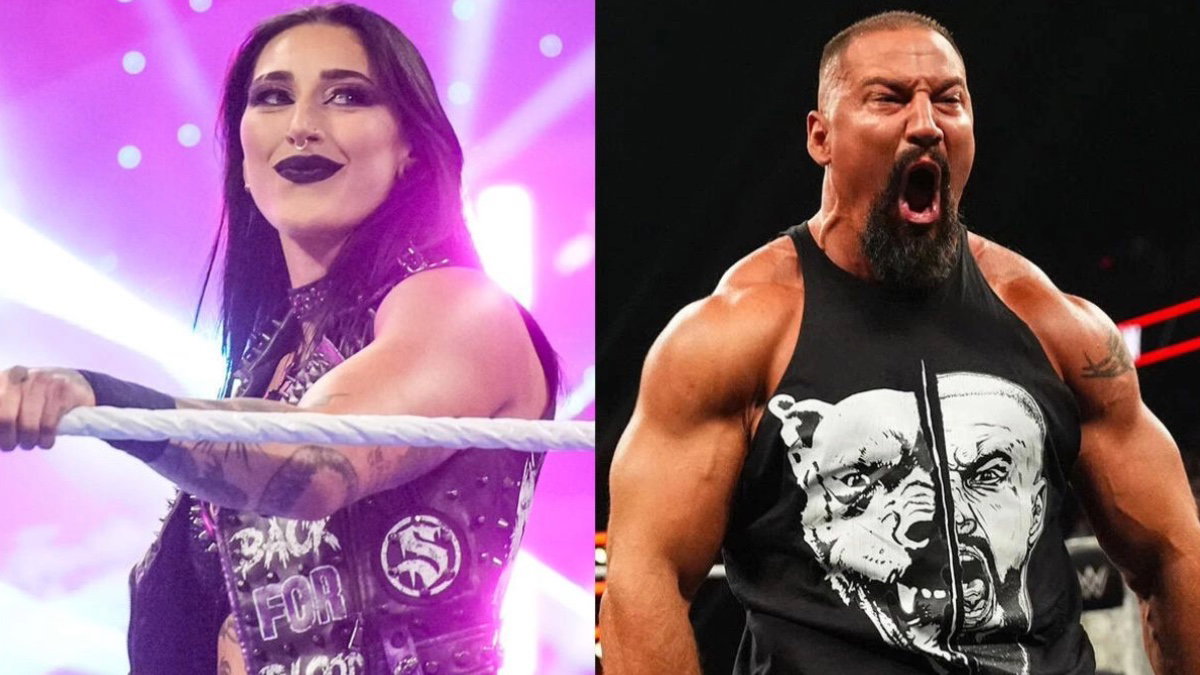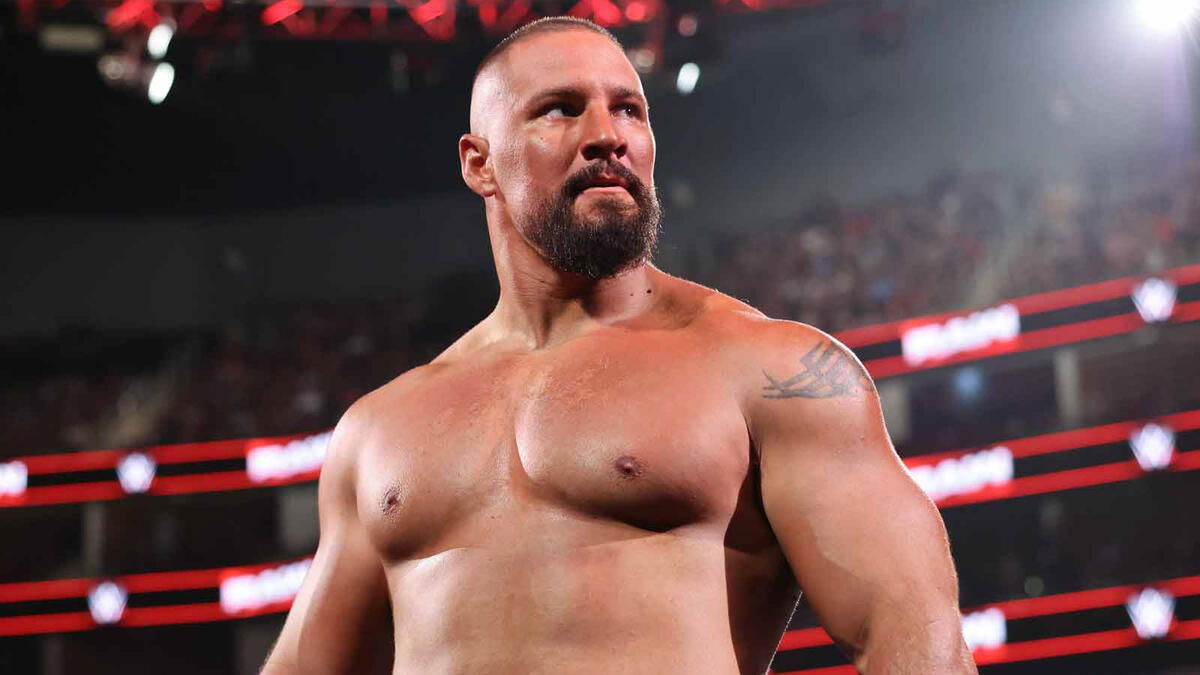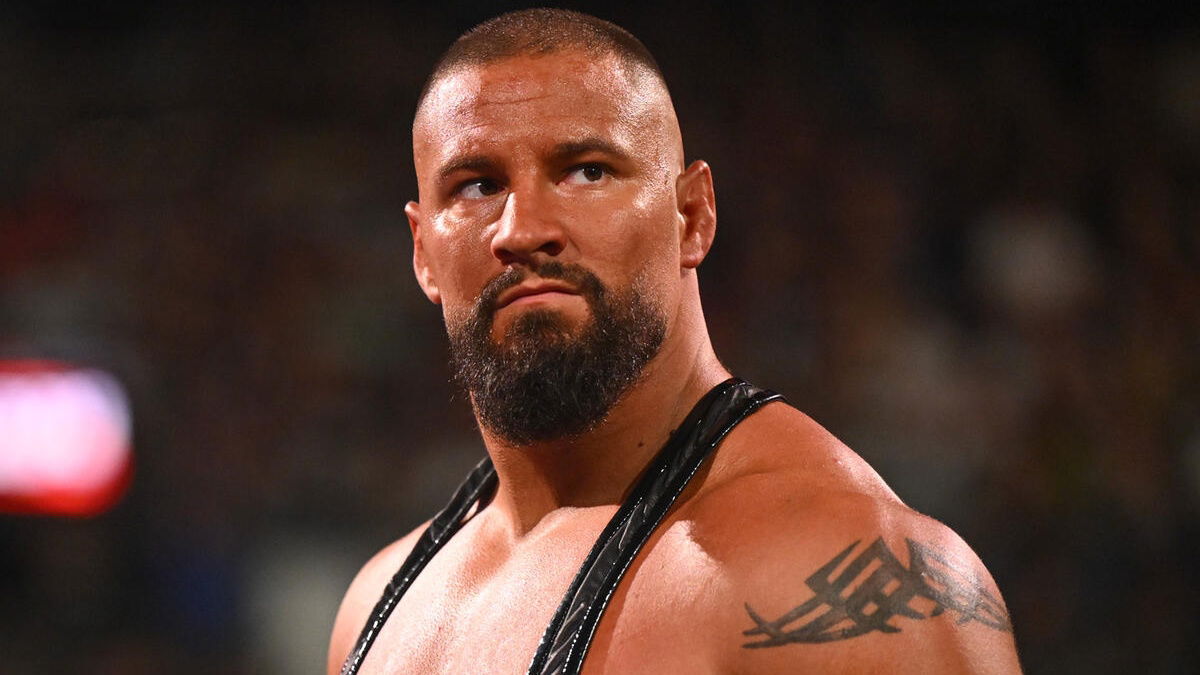
The news breaking this week via WrestleTalk about a scrapped plan to debut Bron Breakker in a tag team during the NXT 2.0 era feels like a dispatch from an alternate, far less interesting universe. It is one of those classic wrestling sliding door moments. You read it and immediately wince at the sheer, undeniable waste of potential it would have represented.
When NXT underwent its neon-splattered transformation into NXT 2.0, the mandate from management was painfully obvious. They wanted to move away from the thirty-minute indie-style grappling clinics and pivot hard toward raw, explosive athleticism. Bron Breakker was the absolute focal point of that shift. Tethering him to another rookie in a tag team would have been a massive misuse of his unique athletic profile.
WWE has a long, frustrating history of pairing highly touted solo prospects with random partners just to get them television time. We saw it endlessly in the mid-2000s. Mismatched parts were thrown together to fill out a sparse tag team division. It rarely elevates either performer. Usually, it just anchors the superior talent to the floor.
Breakker arriving in NXT and immediately being slotted into a generic odd couple duo would have completely diluted his aura. The audience needed to see him as a singular, terrifying force of nature. They didn't need a guy who has to tag out when he gets tired.
The Mechanics of Violence
Tag team wrestling is fundamentally about structural restraint. It relies on the heat segment, the isolation of the vulnerable partner, and the eventual, cathartic release of the hot tag. Breakker does not need a hot tag. He is a walking, breathing hot tag from the opening bell.
Hiding him on the ring apron for ten minutes while a partner takes a beating would have robbed the audience of his primary appeal. We wouldn't have seen the instant, destructive impact that defined his early squashes and eventually his dominant main roster call-up.
Looking back, keeping him as a solo act solved three immediate booking problems:
- Ring time: It hid his initial lack of stamina. Short, violent squashes kept his weaknesses off television while highlighting his strengths.
- Visual presentation: Breakker’s entrance, the sirens, the pacing—it is designed for a lone wolf. A partner would have completely cluttered the frame.
- Upward mobility: As a singles act, WWE could immediately test him against upper-midcard veterans rather than burying him in a stagnant tag division.
Let's look at his in-ring mechanics. They dictate everything about why he works as a solo act. Breakker operates at a frantic, almost unsustainable pace. His offense isn't just impactful. It is built entirely on sudden acceleration.
When he hits the ropes, he generates terrifying momentum. We are talking about a man who reportedly clocks 23 mph during his sprints across the ring. You simply cannot contain that kind of kinetic energy within the restrictive rules of traditional tag team psychology.
Compare his signature spear to the rest of the roster. Roman Reigns treats the spear as a theatrical event. He goes to the corner, does the war cry, and waits for the opponent to stand. Edge's spear was notoriously safe, often resembling a running hug. Goldberg's was a pure football tackle.
Breakker’s spear is different. It is an athletic explosion. He doesn't just run at his opponent; he accelerates through the target. The point of impact isn't the end of the move. It is the middle.
Where the Armor Cracks
His transition to the main roster hasn't been a flawless, uninterrupted highlight reel, though. This is where we have to be honest about his development as a worker. When Breakker is in the ring with a smaller, bump-heavy opponent who can bounce around for his power moves, he looks like an absolute world-beater.
But when a match stretches past the 15-minute mark against a seasoned, methodical veteran, his pacing issues become glaringly obvious.
We saw this exact scenario play out during his Intercontinental Championship pursuits against Sami Zayn in 2024. Zayn delivered a veteran masterclass in pacing. He frustrated Breakker. He forced the younger wrestler into making unforced errors and exposed a glaring flaw. Breakker's defense is entirely predicated on having a dominant offense.
When he is forced to backpedal, his footwork gets noticeably sloppy. He leaves his chin high when retreating. His transitional grappling remains a weak point. If an opponent survives the initial five-minute onslaught, Breakker occasionally looks slightly lost.
He relies a little too heavily on a repetitive sequence of shoulder tackles to reset the tempo. There are distinct moments where you can see him thinking about the next spot rather than naturally flowing into it. He doesn't yet know how to rebuild momentum without just running faster.
The Las Vegas Equation
This brings us to Allegiant Stadium. We are exactly 24 days away from WrestleMania 41 in Las Vegas. The card is already stacked with heavy emotional storytelling, from John Cena's impending farewell to whatever the Bloodline is doing on any given night.
But a wrestling card needs variance. It needs a match that doesn't rely on twenty minutes of dramatic staredowns and cinematic monologues. Breakker's path to Vegas has been paved with broken bodies. He has violently carved his way through the upper midcard. Now, he faces the ultimate test of his smash-mouth style.
I am looking directly at a collision course with a heavyweight who hits just as hard, but with surgical precision. Let's talk about Drew McIntyre.
McIntyre has spent the better part of the last two years operating as the bitter, aggrieved veteran who feels the system has failed him. Breakker is the arrogant, entitled upstart who smashed through the system's front door. The narrative writes itself. The tactical matchup is even better.
It is a perfect clash of heavyweights. McIntyre has the Claymore. Breakker has the Spear. It is a match built entirely around the looming threat of a sudden-death finish. McIntyre is smart enough to know he cannot beat Breakker in a sprint.
The Scotsman will try to chop Breakker down early. He will target a knee or an ankle to eliminate the speed advantage. He will attempt to drag the match into deep water, forcing Breakker to wrestle a grinding, mat-based struggle.
The Final Verdict
I am not hedging here. I don't care about the veteran advantage. Bron Breakker is leaving WrestleMania 41 with his arm raised in victory.
The match won't be a technical masterpiece. Frankly, it shouldn't be. It needs to be a violent, breathless war. Expect McIntyre to dominate the middle portion of the match. He will expose those pacing flaws I mentioned earlier. He will make Breakker look vulnerable, perhaps for the first time on a stage this large.
But Breakker's sheer physical resilience will be the deciding factor. He will absorb the punishment, find a microsecond of an opening, and hit the ropes. That spear isn't just a finishing maneuver. It is a sudden, match-ending car crash.
He will secure the pinfall right around the 14-minute mark. Anything longer exposes his lingering stamina and pacing issues. Anything shorter feels like a throwaway television segment. Fourteen minutes is the absolute sweet spot for maximum destructive impact.
The recently revealed scrapped NXT tag team plan is a fun piece of trivia for wrestling nerds. But it is also a stark reminder that sometimes, the simplest booking strategy is the correct one.
You don't put a Ferrari engine in a minivan. You don't force a generational explosive athlete to stand on the apron and wait for a tag. You point Bron Breakker at the biggest target available, ring the bell, and get the hell out of the way. WrestleMania 41 will prove exactly why WWE made the right call.