Why TNA's shocking live TV title change is a massive booking error
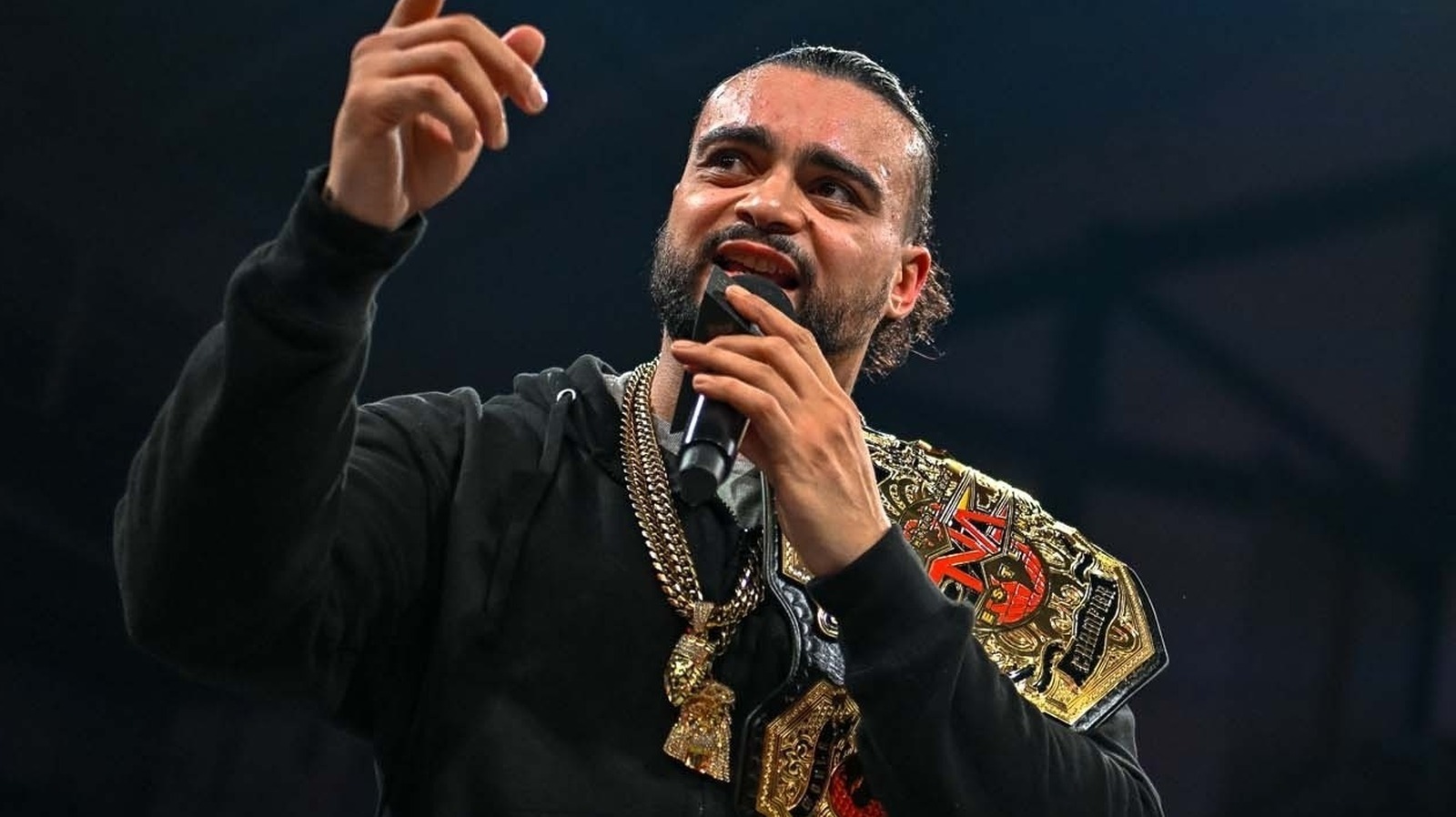
Live wrestling television has a highly rigid, almost mathematical rhythm. You have your high-workrate matches at the top of the hour. You have your backstage segments strategically placed to bridge the commercial breaks and retain viewers.
And you have the main event, which historically ends in a disqualification, a dusty finish, or a cheap heat angle to set up the actual payoff on a pay-per-view. TNA threw that entire established script out the window on the May 14 broadcast.
They delivered a clean, shocking world title change in the main event. It was a massive swing. But swinging for the fences means you leave yourself completely open to striking out on the follow-through.
The historical context of the live television title change is built on a foundation of diminishing returns. We all know the famous Monday Night Wars examples. Tony Schiavone bitterly giving away the Mankind title result on January 4, 1999, remains the undisputed industry standard for a television title change altering the financial trajectory of a company.
Millions of viewers switched channels to watch a title change on free television. But that era also provides the starkest warning. Look at WCW in the year 2000.
Vince Russo booked so many shocking television title changes that the WCW World Heavyweight Championship lost all structural integrity. The belt changed hands on Nitro, on Thunder, and sometimes twice in the same night. The elasticity of the championship snapped.
TNA has walked dangerously close to this exact line before in its own tumultuous history. The booking on the May 14 episode feels like a direct ghost from that hyper-booked past.
Counter-programming the modern monopoly
To fully grasp why TNA pulled this trigger, you have to look at the broader industry context in May 2026. Wrestling is currently dominated by the philosophy of the interminable title reign.
WWE has spent the last half-decade actively retraining its global audience to expect glacial, methodical title transitions. Roman Reigns essentially broke the modern scale by holding his belt for years. Cody Rhodes is currently operating on a marathon run following his massive defense against The Bloodline at WrestleMania 41 in April.
WWE maps their title arcs in massive, annual increments that peak exactly when the financial models dictate they should. AEW operates on a remarkably similar frequency. As they make their final preparations for Double or Nothing on May 24, their main event transitions remain heavily telegraphed.
AEW champions rarely, if ever, lose their belts on free television. Every major transitional moment is meticulously calculated and locked behind a pay-per-view paywall. TNA physically and financially cannot compete with WWE's overwhelming production values or AEW's absurdly deep roster.
They have to compete on volatility. A shocking live television title change is an aggressive counter-program to the monolithic, predictable booking of the big two. It is a deliberate disruption of the modern wrestling formula.
While AEW is spending weeks carefully adding minor dramatic layers to their Double or Nothing main event, TNA is happily throwing a grenade into their own formatting. It generates immediate, frantic buzz. It gets heavily clipped on social media.
It drives digital engagement in a way that a standard, highly predictable twenty-minute main event simply cannot achieve. But chasing that digital engagement creates a dangerous feedback loop. When you train your audience that major events happen without warning, they stop investing in the long-term builds.
The week-to-week storytelling begins to feel completely irrelevant. The viewer starts to assume the promotion might just hit the reset button at any given moment to pop a rating.
The geometry of multiple challengers
The most fascinating note from the May 14 show wasn't just the title change itself. It was the creative decision to immediately establish a block of several world title challengers before the broadcast ended. This is an acute, highly dangerous booking philosophy.
Normally, when a new champion is crowned, a promotion wants to clear the deck. You give the new champion a layup title defense. You let them establish their baseline as the undisputed top draw.
You build the first major challenger slowly, letting the anticipation simmer and allowing the audience to adjust to the new hierarchy. TNA opted for a massive traffic jam.
By introducing multiple challengers simultaneously, you mathematically dilute the threat level of every individual wrestler involved. It turns the main event scene into a chaotic scramble rather than a sharply focused narrative. Think about the physical mechanics of how this plays out on screen.
You have the newly crowned champion holding the belt. And then, sequentially or in a massive brawl, three or four different wrestlers arrive to stake their claim. It reduces the world championship to a secondary prop in a multiplayer video game.
Instead of a blood feud built on personal animosity, you have a queue. Booking a queue is incredibly difficult because it inevitably forces the writing team into multi-man matches. You get the triple threat. You get the fatal four-way.
You get matches where the champion doesn't even have to be pinned to lose the belt. This is ultimately a defensive, cowardly booking strategy.
A promoter books a multi-man match when they refuse to make a hard decision about who should take a clean singles loss. But that indecision sacrifices the emotional peak of a one-on-one showdown. The new champion just had their defining career moment.
Now, instead of a dramatic, focused first feud, they are stuck playing traffic cop. They have to manage a bunch of mid-carders who were artificially elevated by proximity.
The brutal mathematics of live television
We have to look at the structural realities of live Impact. Two hours on television is a deceptively small window. When you subtract the ad breaks, you are working with exactly 84 minutes of actual broadcast time.
A major world title match needs at least a 20-minute block to breathe properly. The elaborate main event entrances take another five minutes. The post-match angle required to set up multiple challengers takes another ten minutes.
You have just eaten up nearly half your available television time on exactly one storyline. This reality perfectly explains the polarized reaction to the show.
As the Wrestling Inc review of the broadcast noted, there were distinct elements to hate and love. When the main event scene monopolizes the oxygen, the undercard inevitably suffocates.
The X-Division matches get ruthlessly cut down to three-minute sprints. The Knockouts division gets a rushed backstage interview instead of a meaningful in-ring segment. The pacing of the entire episode becomes frantic and completely disjointed.
Live television exacerbates every single one of these timing issues. If a segment runs long in a taped show, the production truck can fix it in the edit bay. You can trim a redundant rest hold. You can cut a rambling promo line.
On live TV, if the opening segment goes three minutes over its allotted time, the main event has to rush the finish. The fact that TNA managed to pull off a shocking title change live means they hit their marks, but it almost certainly cost them the structural integrity of the first hour.
The critical execution gap
This brings us to the most severe flaw in the execution of the May 14 broadcast. The frenetic aftermath actively undermines the shock of the victory.
A major title change should be a hard period at the end of a long sentence. It must offer definitive narrative resolution. Even if the win is a total surprise, the viewer desperately needs a moment to process the new reality.
By immediately pivoting away from the celebration to set up the next series of challengers, TNA turned a powerful period into a weak comma. They aggressively stepped on their own massive moment.
The new champion did not get to celebrate the culmination of their work. The fans in the arena did not get to fully absorb the shift in power. The booking team immediately hit the fast-forward button to jump to the next conflict, leaving zero breathing room.
This is a glaring symptom of anxious writing. The promoter is so intensely worried about retaining viewers for next week that they completely forget to let this week matter.
It showcases a massive lack of confidence in the moment they just created. If the title change was truly shocking, historically significant, and well-executed in the ring, it should easily be enough to carry the end of the broadcast.
You do not need a desperate parade of run-ins, post-match beatdowns, and microphone interruptions to sell the next episode. The belt changing hands is the only hook you need.
Furthermore, setting up several challengers is a blatant admission that the booking committee has no clear number one contender ready. It is booking by panic. Instead of trusting one distinct, highly protected heel or babyface to carry the next major program, they throw bodies at the wall to see who the live crowd reacts to.
This leads directly into an inevitable, frustrating holding pattern. The new champion will likely face a lesser, sacrificial challenger at the next minor streaming event, while the actual threat is kept frozen in amber for a bigger show.
The immediate tension dissipates. The visceral shock value of the live TV win quickly fades into the depressing reality of standard, repetitive wrestling booking.
TNA took a highly commendable risk on May 14. They delivered the live surprise that wrestling fans constantly beg for online. But a professional wrestling show is judged not just by the surprise itself, but by the internal logic that governs the fallout.
When a promotion trains its audience to expect instant gratification, the audience eventually stops caring about the struggle. The chase is where the money is made, and TNA gave the chase away for free on a Thursday night.
By crowding the main event scene mere seconds after a historic win, they engineered their own creative bottleneck. The new champion holds the belt, but they do not command the stage. They are just another guy standing in a very crowded ring.
Drafting Champions: A History of the Pro Wrestling Industry by John M. Wilson
A deep dive into the business and history behind the squared circle.
Frequently Asked Questions
When did the shocking TNA world title change happen?
Why did TNA decide to change the title on free television?
How does TNA's booking compare to WWE and AEW title reigns?
Why is the TNA television title change considered a booking error?
What historical wrestling example warns against frequent TV title changes?
More Coverage
TNA is throwing gasoline on the Philadelphia fire
9 hours agoWWE Saturday Night's Main Event sets a dangerous precedent at MSG
1 day, 12 hours agoWhy the Scenic City Invitational is the indie wrestling heart we need
1 day, 12 hours ago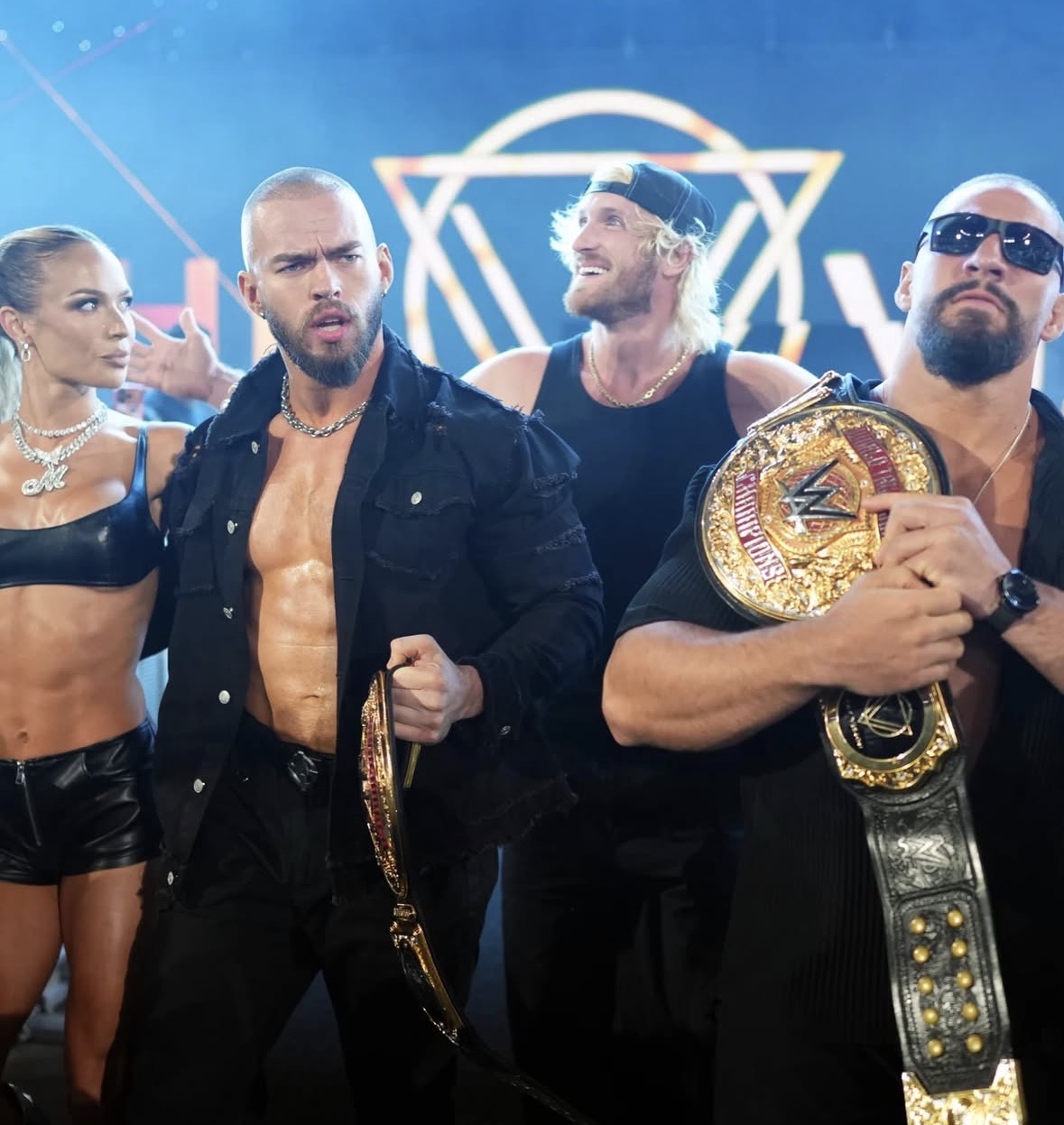
The Vision and Maxxine Dupri are built for a main event collapse
2 days, 3 hours ago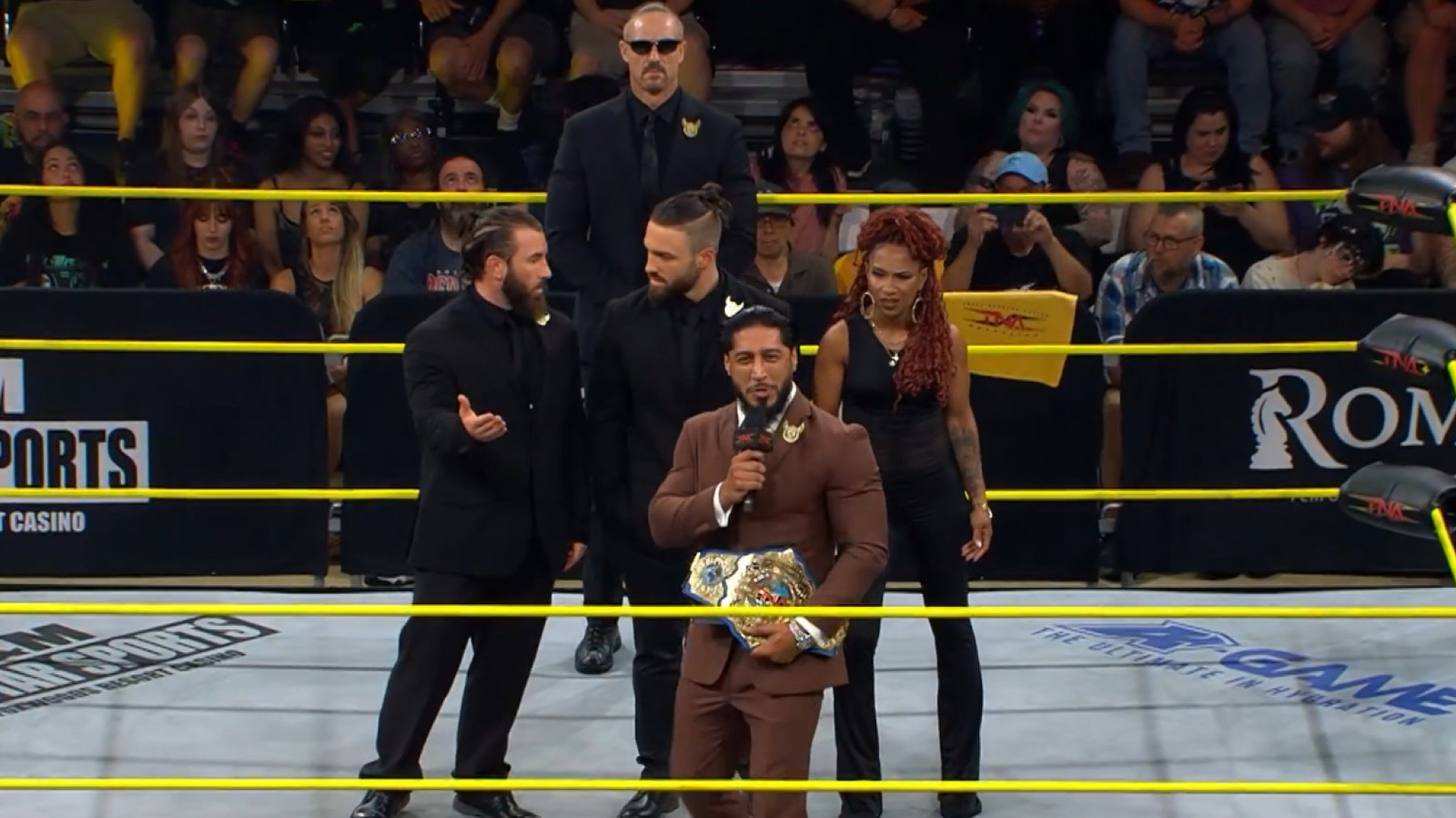
Cedric Alexander is proving he is the anchor of TNA's X-Division
2 days, 15 hours ago
Saturday Night's Main Event demands a shift in momentum for the roster
2 days, 16 hours agoMore Analysis
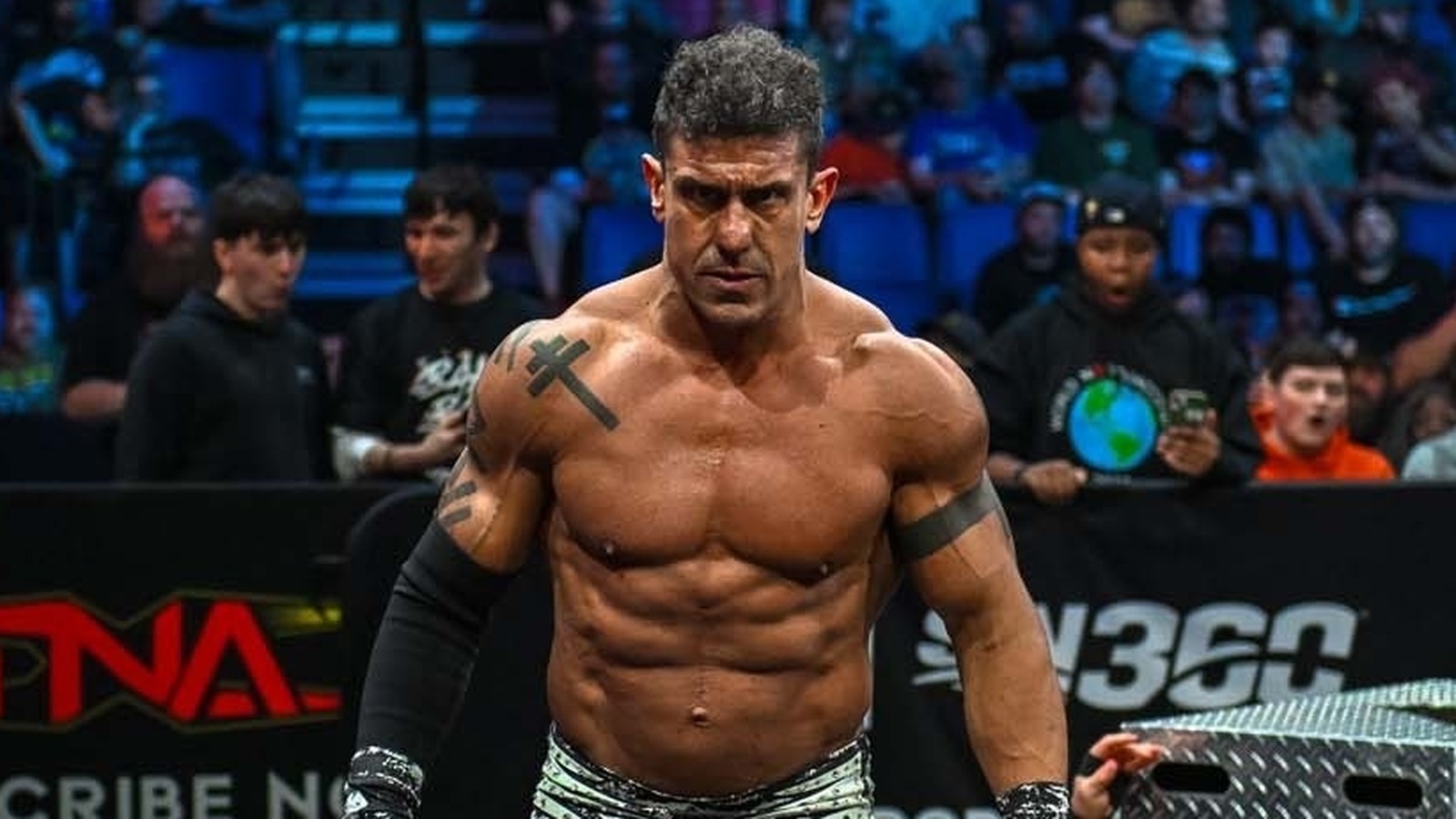
TNA just hot-shot the world title. The hangover is going to be brutal.
2 months, 1 week ago
TNA is playing a dangerous game with its current booking momentum
3 months, 2 weeks ago
The volatile state of TNA's championship picture
1 month, 3 weeks agoTNA is playing a dangerous game with this Champions Challenge
1 month, 3 weeks ago