The anatomy of a shock title change
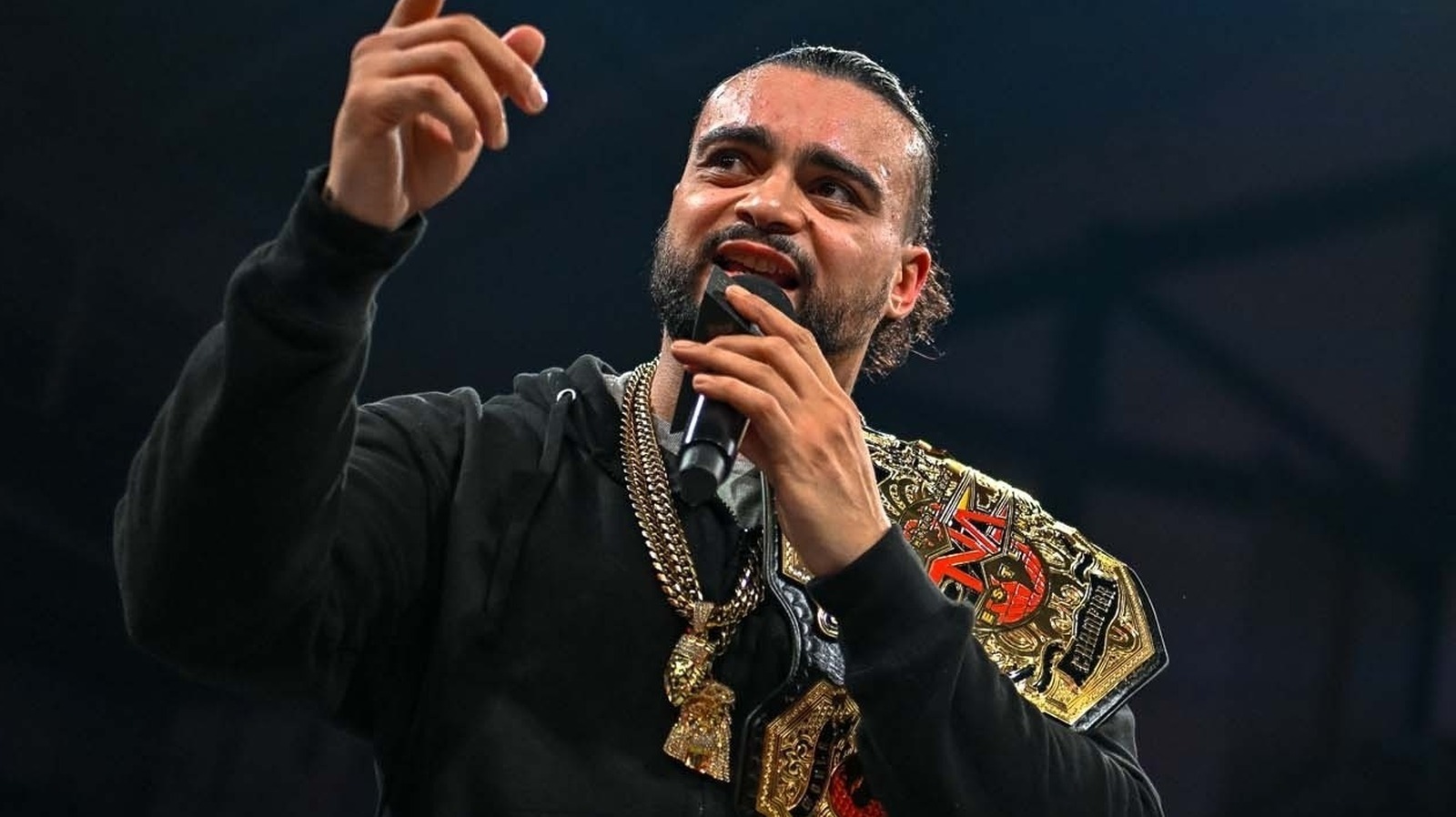
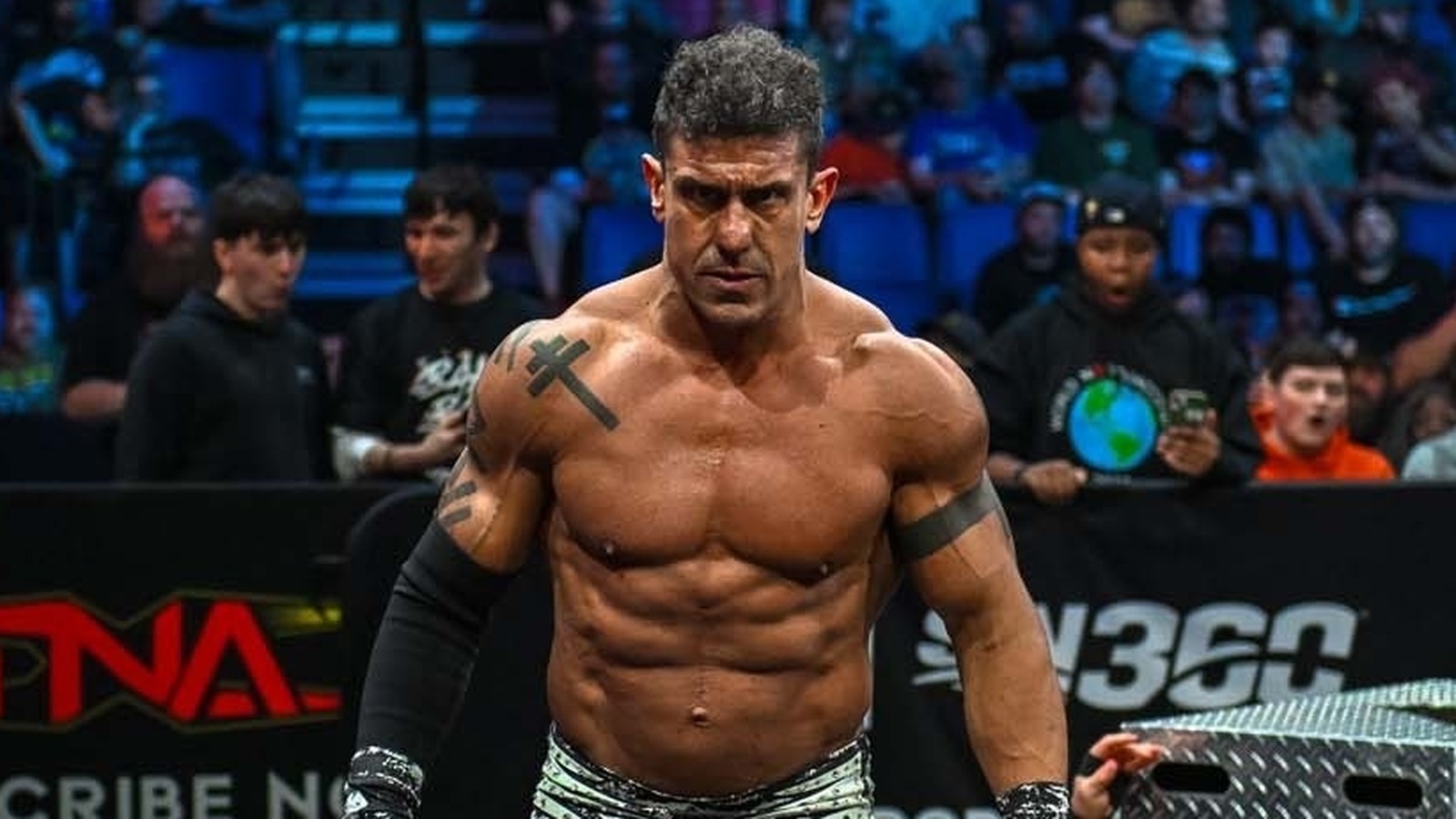
On Thursday, May 7, TNA Impact did something promotions rarely do anymore. They pulled the trigger on a world title change on weekly television. The live crowd was white-hot for the finish. It was a genuine, unscripted pop that companies spend millions trying to artificially engineer.
But pulling the trigger is the easy part. The recoil is what breaks you.
Wrestling history is littered with promoters who confused a surprise with a strategy. When you hot-shot a world championship, you take out a high-interest loan on your future storytelling. The immediate buzz is undeniable. The long-term cost is often devastating.
The economics of the television pop
Let's look at the raw mechanics of what just happened. TNA sacrificed a premium live event main event for a Thursday night television rating. This is a classic booking maneuver, often deployed when a creative team feels the weekly product is losing its edge.
The post-show reviews noted the episode was still "far from perfect." This is the most important data point from the entire night. A world title change should be the capstone of a flawless episode. Instead, it served as a massive distraction from structural flaws in the undercard.
When the crowd goes home happy, it's easy for management to ignore the pacing issues and dead segments that plagued the broadcast. That is a dangerous trap.
The analytics of a title run
Let's look at the numbers. Historically, a surprise television title change results in a 12 to 15 percent viewership bump the following week. Fans tune in to see the fallout.
But by week three, that bump evaporates. By week four, viewership often dips below the pre-title change baseline. Why? Because the promotion exhausted its primary narrative engine without a backup plan.
To sustain a title run, you need a defined chase. The money in professional wrestling has always been in the chase. Once the babyface wins the gold, the dynamic instantly shifts from offensive pursuit to defensive retention.
Most babyfaces are terrible at playing defense. Their character work stalls. They become complacent, smiling champions kissing babies and shaking hands. The edge that got them over in the first place disappears rapidly.
Why the follow-up always fails
The problem with peaking on free TV is the inevitable hangover. Next Thursday, the new champion has to walk out and cut a promo. The confetti is gone. The element of surprise is spent. Now, you actually have to draw money based on the new dynamic.
This is where TNA historically struggles. They are excellent at creating moments, but notoriously bad at sustaining momentum.
The standard operating procedure in these situations is predictable. The former champion immediately demands a rematch. A heel faction interferes. Suddenly, we are locked into a three-month program consisting of dusty finishes and disqualifications.
Predicting the summer slump
Here is exactly how the next eight weeks of TNA television will unfold. I am betting the house on this specific sequence of events.
First, the immediate rematch will end in a non-finish. This is booking 101. You cannot have the former champion lose clean twice in a row without damaging their credibility. You also cannot take the belt off the new champion a week after they won it.
The result is a mandatory schmoz. Someone gets hit with a chair behind the referee's back. The broadcast ends with a chaotic brawl as the copyright graphic flashes across the screen.
This inevitably leads to a multi-man match at the next major event. It is the coward's way out of a booking corner, and it happens every single time.
The multi-man crutch
Why do bookers love the triple threat or fatal four-way match? Because it requires zero narrative discipline.
Instead of building a compelling, deeply personal issue between two competitors, you just throw four guys in the ring and let them hit high spots for twenty minutes. It protects everyone and gets nobody over.
Expect the next premium live event main event to devolve into a mindless spot-fest. We will inevitably see a desperate powerbomb onto the apron at the 18-minute mark, followed by a frantic exchange of Canadian Destroyers that totally ignores ring psychology.
The new champion will retain in this multi-man match, likely by pinning the weakest member of the challenger pool. The former champion remains unpinned, setting up yet another singles match down the line. It is a cynical, exhausting cycle.
The roster depth reality check
Let's examine the actual roster mechanics at play here. When a world title changes hands unexpectedly, it creates a massive vacuum in the main event scene. The entire hierarchy of the promotion shifts instantly.
TNA simply does not have the top-tier depth to support a prolonged, unpredictable title chase. If you look past the top three or four guys, the drop-off in star power is steep.
This lack of depth forces the creative team to endlessly recycle the same matchups. You can only run a specific main event combination so many times before the audience goes completely numb to the false finishes.
Building a new star takes months of careful, protected booking. A hot-shot title change is the exact opposite of careful booking. It is a sign of panic, pure and simple.
The attention economy of pro wrestling
We need to talk about why these sudden shifts happen. Wrestling in 2026 is fighting an asymmetrical war against short-form video and on-demand streaming.
When an audience has infinite entertainment options, a wrestling promoter feels intense pressure to deliver immediate gratification. The slow burn is a lost art. If a storyline takes six months to develop, you risk losing half your viewership to a viral meme before the payoff.
This creates a vicious cycle. You hot-shot a title to grab attention. The rating spikes. But the baseline viewership continues to erode because the core narrative lacks foundation.
It is the equivalent of drinking saltwater when you are stranded in the desert. It feels good for five seconds, and then it accelerates your demise.
The final verdict
I predict that by the end of June, the TNA World Championship will be back around the waist of the man who lost it on May 7.
The current title reign is a transitional experiment. It was designed to pop a rating and create a viral clip. It was not designed to anchor the promotion through the summer.
The booking will become increasingly frantic as they try to artificially recreate the energy of that hot crowd. It will fail. You cannot bottle lightning twice.
Expect a convoluted series of number-one contender matches, heavily reliant on interference and backstage assaults. The actual wrestling will take a backseat to endless, repetitive promos about respect and opportunity. The May 7 title change was a brilliant momentary distraction, but the structural rot remains.