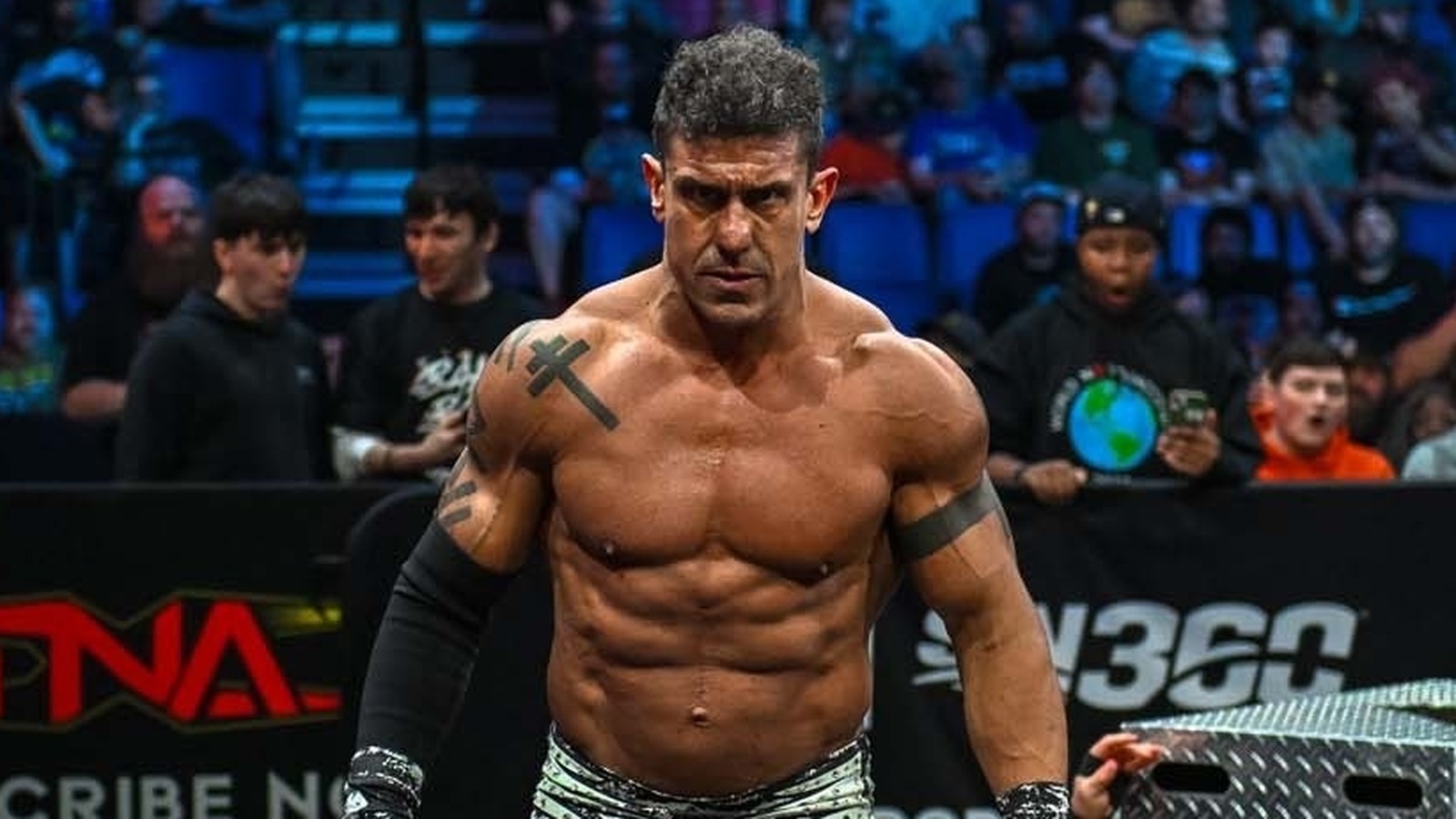
Why the opening 15 minutes of TNA Impact dictate the entire broadcast
The Anatomy of the Cold Open
PWInsider dropped a blunt teaser this afternoon regarding tonight's episode of TNA television. The headline simply read: "KICKING OFF TONIGHT'S TNA IMPACT IS...." It is a standard bait tactic designed to farm clicks. But the reason it works at all is because the opening segment of Impact has become a structural battleground.
The way a promotion opens its television show tells you exactly what they think of their audience. WWE operates under the assumption that viewers want a soap opera. Cody Rhodes or Seth Rollins will comfortably stand in the ring and monologue right through the first commercial break. AEW operates on kinetic energy. Tony Khan routinely throws out a breathless, high-speed tag team match before the commentators even finish clearing their throats.
TNA is caught somewhere in the murky middle. They suffer from a persistent tactical identity crisis at 8:00 PM EST. They want the dramatic weight of a WWE main event angle, but they desperately need the immediate hook of an X-Division sprint. When you lack the entrenched audience of the market leaders, you cannot afford to waste your first fifteen minutes.
The Quarter-Hour Trap
Television executives live and die by quarter-hour metrics. In modern cable broadcasting, the first fifteen minutes are almost always your highest viewership peak. You inherit the lead-in audience from whatever movie or show played before you. You have the dedicated fans who tuned in exactly on time.
The goal of the opening segment is retention. You have to drag those inherited viewers across the first commercial break. If your opening segment features three different wrestlers reading poorly memorized lines, that inherited audience vanishes. They grab the remote. They check their phones. They do not come back.
This is why the slow-burn approach is so damaging for TNA. WWE can afford to bleed a few hundred thousand viewers during a long promo because they start with two million. TNA does not have that margin of error. Every lost viewer is a massive chunk of their total pie.
Look at the strike-rate of a typical Moose opening promo. He averages roughly 1.2 distinct narrative beats per five minutes of talking. The pacing is glacial. The silence in the arena becomes an active, noticeable participant in the broadcast. TNA is booking for a stadium but filming in a mid-sized theater. A slow, fifteen-minute promo in front of a smaller crowd feels incredibly hollow. The energy dissipates before the show even hits second gear.
Tactical Shifts and Work Rates
Contrast that sluggishness with what happens when TNA actually lets the wrestlers dictate the opening tempo. Think about the recent episodes where Speedball Mike Bailey or Mustafa Ali kicked off the broadcast. No microphones. No dramatic, drawn-out entrances. Just a quick graphic, a hard cut to the ring, and two athletes moving at top speed.
That approach masks the smaller crowd sizes. The sheer physical action demands attention. In a standard X-Division sprint, the work rate sits around 2.4 significant spots per minute. The physiological response from the viewer is vastly different. It creates an immediate sense of urgency. The viewer feels like they caught the show right in the middle of a vital fight.
Jordynne Grace is perhaps the only talent on the current roster who can effectively bridge this gap. When she opens the show, she projects an undeniable physical threat. She does not waste ten minutes talking. She hits the ring, delivers a blunt message, and immediately transitions into violence. She understands the mechanics of television pacing.
Too many others on the roster get lost in the theatricality. They play to the hard camera. They pause for massive crowd reactions that simply are not coming. They drag out their segments and bleed viewers in the process.
The Competition Context
We are exactly three days away from AEW Double or Nothing. Tony Khan is throwing everything at the wall to drive late pay-per-view buys. The wrestling market is highly distracted right now. Everyone is focused on what is happening in Las Vegas this weekend.
To grab attention on a Thursday night in this environment, TNA has to be aggressive. You do not project aggression by having two men stand in the ring trading insults while wearing street clothes. You project aggression by ringing the bell immediately.
There is a mechanical solution to this problem. TNA needs to fundamentally alter its broadcast format. Stop trying to mimic the Monday Night Raw rhythm. The opening of Impact should mimic a live combat sport. Start the show with a rapid-fire video package, cut directly to the arena, and start the match. Do the talking later, when the audience's heart rate is already elevated.
The Reality of Tonight's Tease
The ellipsis in that PWInsider headline is doing a lot of heavy lifting. It implies a surprise. It implies a major angle. But historically, "major angle" in TNA translates to "twenty minutes of standing around."
If tonight's opener is the return of a major free agent or a massive title change, the slow pacing is justified. You bend the rules for massive star power. But if it is just another iteration of a heel faction complaining about management, TNA is actively sabotaging its own momentum.
This requires a level of restraint that wrestling bookers rarely show. It is always easier to write a promo segment than to agent a complex, fast-paced opening match. Promos are safe. The wrestlers control the tempo entirely. The physical risk is zero.
Matches are inherently chaotic. Things go wrong. Timing gets blown. But that chaos is exactly what makes professional wrestling compelling. The constant threat of things falling apart is part of the draw. TNA must embrace that chaos. They must stop trying to produce a polished, sterile television show.
A sterile TNA broadcast just looks like a cheap WWE clone. A chaotic TNA broadcast looks dangerous. It looks unpredictable. It forces you to keep the channel locked.
If TNA wants to survive, they have to ruthlessly optimize every second of television. The self-indulgent promos have to go. The stalling has to go. They are the scrappy underdog alternative. That identity requires velocity.
Tonight's broadcast will be a clear test of their tactical awareness. Will they lean into their bad habits and open with a monologue? Or will they finally ring the bell and hit the gas pedal? The viewer is holding the remote, waiting for an excuse to use it.
The Rise and Fall of ECW (Wrestling Books)
A deep dive into the hardcore territory that changed the industry forever.
Frequently Asked Questions
Why is the opening segment of TNA Impact so important?
How does TNA's opening strategy compare to WWE and AEW?
What makes Moose's opening promos problematic for TNA?
How can TNA improve viewer retention in the first fifteen minutes?
What are television quarter-hour metrics?
More Coverage
SummerSlam 2026 is a weird, disjointed, and mostly brilliant mess
23 hours ago
Braun Strowman needs to show more than just bicep size
3 days, 6 hours ago
Big E's nod to Lio Rush highlights a missing creative spark in modern wrestling
6 days, 3 hours ago
Cody Rhodes and the weight of the undisputed throne
3 weeks, 5 days ago
NXT is betting on sub-three-minute sprint matches to capture attention
3 weeks, 6 days agoAEW's Tubi pivot ignores a shrinking audience
1 month agoMore Analysis
TNA Impact needs more than a hot opener to stabilize their trajectory
1 month, 2 weeks agoTNA is betting that Slammiversary momentum can fix their ratings slide
4 weeks ago
TNA is playing a dangerous game with its current booking momentum
3 months, 2 weeks ago
TNA is quietly cutting match times to save its weekly TV format
2 months ago
TNA is swimming against the tide of the NBA and NHL playoffs
1 month, 2 weeks ago