Measuring the decline of the long-form bout
In the June 16 edition of NXT, the Speed match format saw Jordynne Grace defeat Diggs in a contest that serves as a case study for modern wrestling’s shift toward ultra-condensed storytelling. Across the board, developmental rosters are moving away from the 15-minute floor of yesteryear. We are watching a deliberate shortening of the clock.
The data from recent cards confirms a pivot toward high-density, low-duration windows. While the NXT broadcast on June 16 prioritized rapid-fire pacing, audiences are seeing fewer multi-segment brawls and more sprint-style exchanges meant to maximize impact density.
The cost of the speed experiment
Efficiency in the ring often masks a lack of narrative depth, however. When matches are truncated to fit the 3-minute Speed parameters, the physical storytelling suffers. You cannot build a sequence of rising tension when the bell-to-bell time is shorter than a standard entrance theme.
This is where the format creates a visible ceiling for workers like Grace or Diggs. While the athleticism remains high, the inability to sell transitions makes the contest feel more like a gymnastics drill than a professional wrestling showdown.
Comparative analysis of global pacing
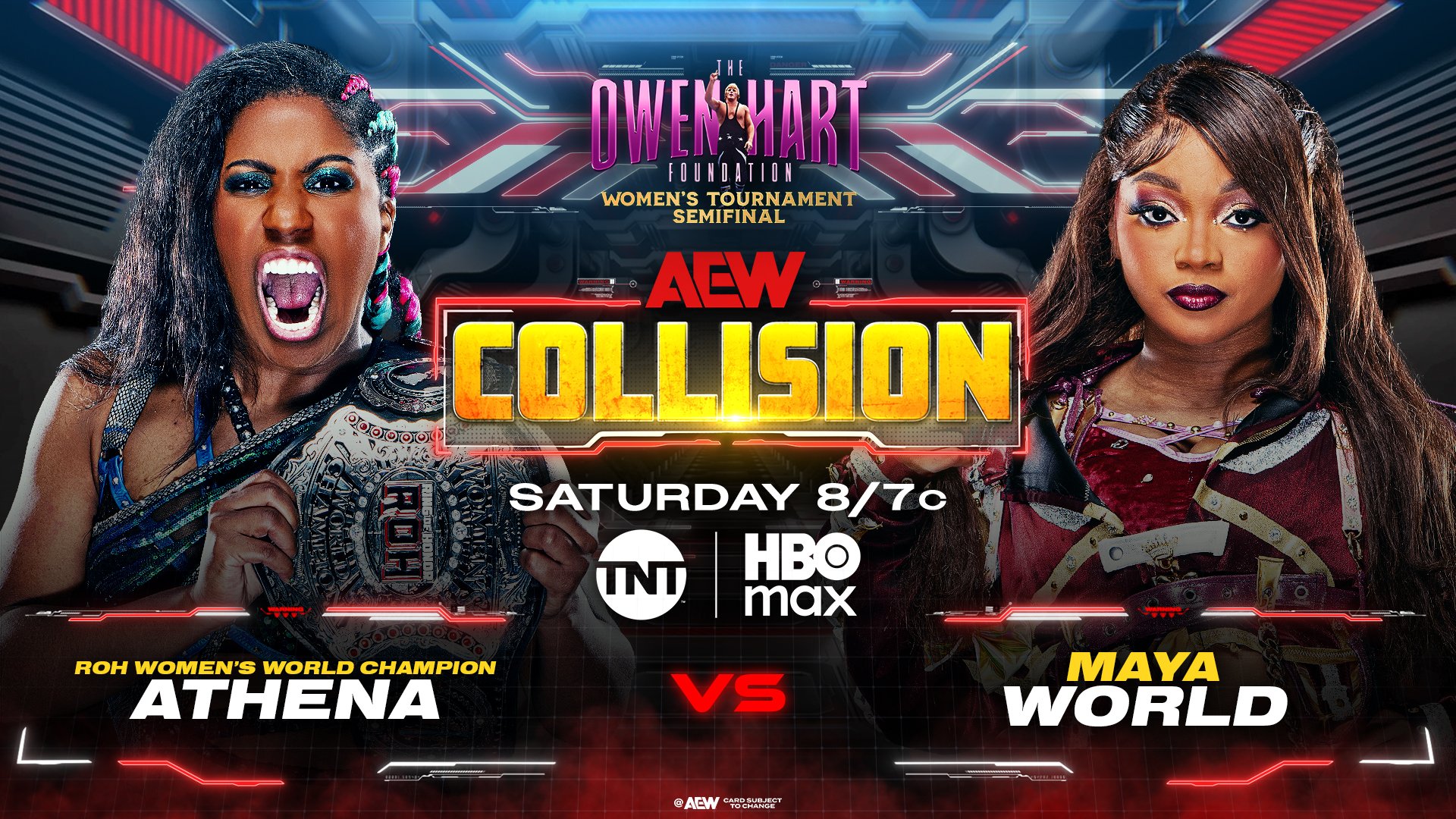
Contrast this with the AEW Collision results from June 20, recorded in Sugar Land, Texas. AEW is still experimenting with multi-round tournament bouts that occupy significant real estate, yet they are increasingly hampered by similar duration issues as they cram complex bracket matches into single episodes.
On that card, the combination of tournament requirements and tag-team depth meant that even top-tier workers were limited in their ability to work long. When you look at the NXT live event circuit data from June 20, the story changes slightly; house shows are currently averaging 18 to 22 minutes for headlining title defenses, providing a stark contrast to the condensed television product.
Statistical summary of the week's output
- NXT Television Speed Match average duration: 180 seconds
- Number of qualifying matches on June 20 Collision card: 3 distinct tournament segments
- House show headliner duration variance: Approximately 400% longer than televised Speed bouts
- Total segments featured on the June 16 NXT broadcast: 9 separate contest or promo interactions
The discrepancy between house show freedom and television discipline is growing. Wrestlers are essentially performing two different jobs: one for the live crowd in Evansville or Birmingham, and one for the algorithmic constraints of The CW.
If the trend continues to move toward shorter, punchier segments, we risk losing the art of the comeback. A match that ends in 180 seconds allows for no breathing room, no slow build, and ultimately, no emotional payoff. Booking for maximum retention is failing the product's ability to create genuine icons.