Measuring momentum against a crowded broadcast slate
TNA Impact has reached a state of statistical stagnation that the booking team cannot ignore. The May 28 episode posted the second-highest viewership total for the entire month, yet the underlying metrics tell a more uncomfortable story regarding audience composition.
The promotion is losing the battle for the 18-49 demographic. While total reach remains stable, the primary competition from the ongoing NBA and NHL playoffs is essentially cannibalizing the core wrestling audience. You can have the best in-ring product on the planet, but it does not matter if the lead-in is a Western Conference Finals game.
The demographic disconnect
The latest data from the TNA Impact ratings report illustrates a recurring tactical failure. Relying on traditional Thursday night pacing while sports fans migrate to live hockey and basketball creates a massive coverage gap. The product is not losing steam because of the matches; it is losing visibility because of the calendar.
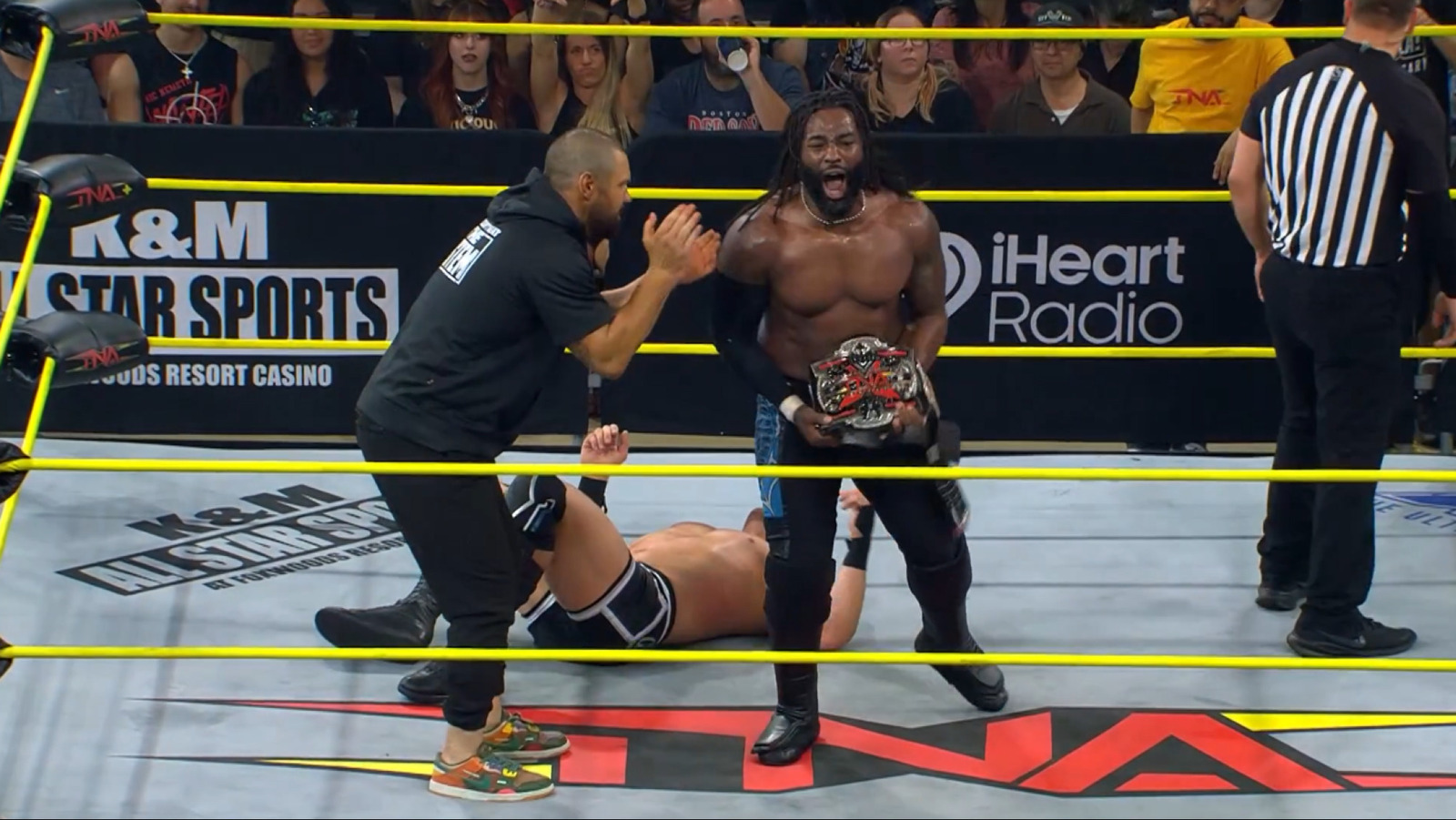
I observed a lack of urgency in the transition between the mid-card and the main event on the May 28 show. When you are fighting for eyeballs against a Game 7 or a high-stakes power play, your television pacing needs to be airtight. Instead, we saw two commercial blocks that sucked the heat out of the arena.
Tactical adjustments for a slimmer rotation
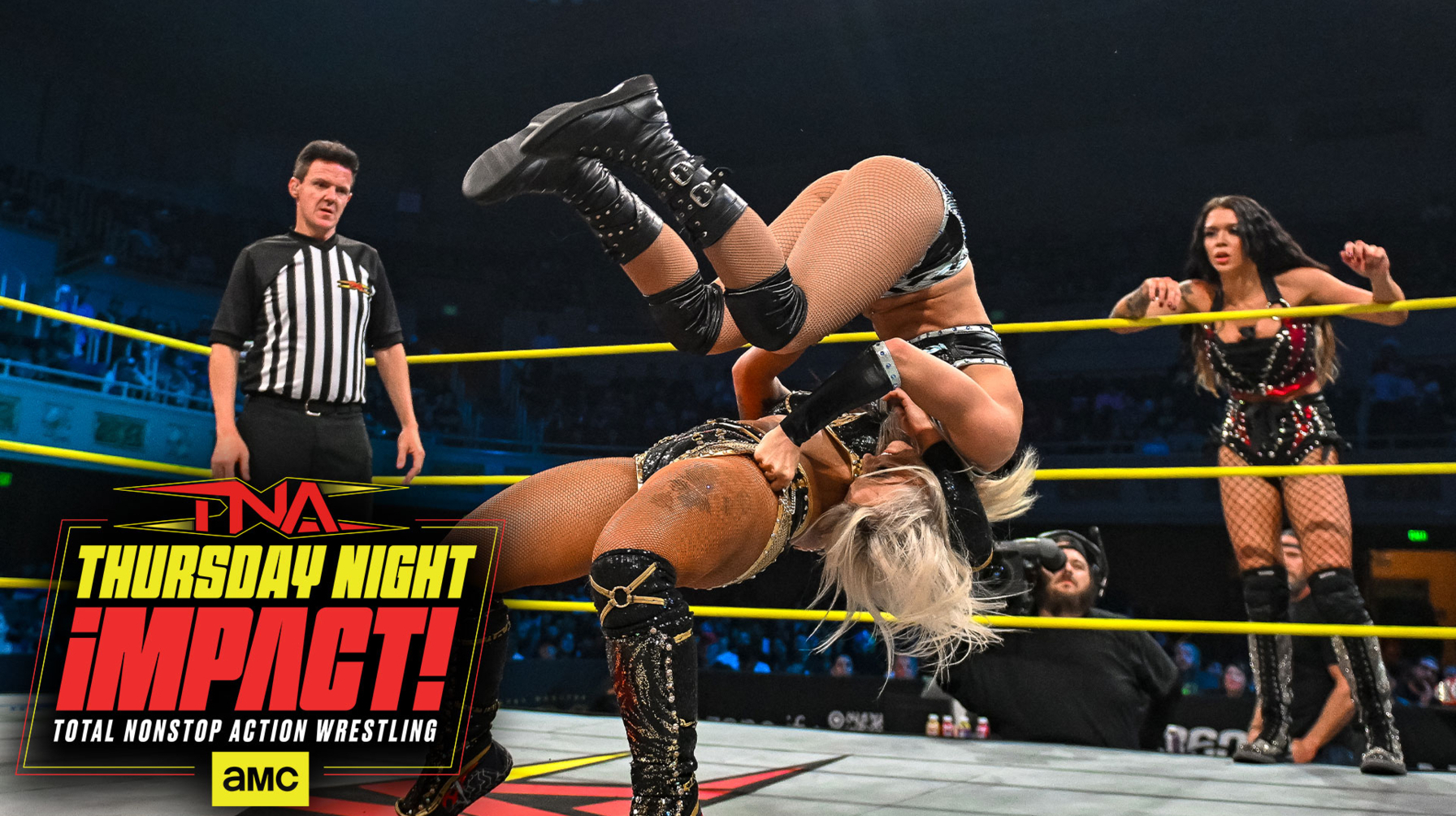
Management needs to look at the card structure. The reliance on slow-paced, methodical matches during the final hour is a tactical error that invites viewers to flip the channel to see if a basketball score has changed. Faster, high-impact sequences in the ninth and tenth segments are required to hold the attention of a distracted generation of fans.
There is also the matter of the champion's visibility. If the top-heavy segments do not deliver a hook before the 10:00 PM mark, the casual drop-off rate will remain abysmal. The booking of character arcs has remained stagnant for three weeks, failing to capitalize on the segments that actually pulled in the higher viewership peaks.
The outlook for the summer
It is worth noting that TNA has a loyal base that remains consistent despite the playoff interference. That loyalty is a safety net, but it will not sustain long-term growth. Expecting viewers to ignore the sheer production value of playoff hockey is a losing strategy.
My prediction for next week is a slight dip in the aggregate number. Unless the company moves away from the 9:00-11:00 PM window or aggressively shifts to tighter, high-work-rate segments in the final half-hour, they will continue to bleed the younger demographic. They need fewer promos and more 15-minute workhorse contests to survive the June slump.