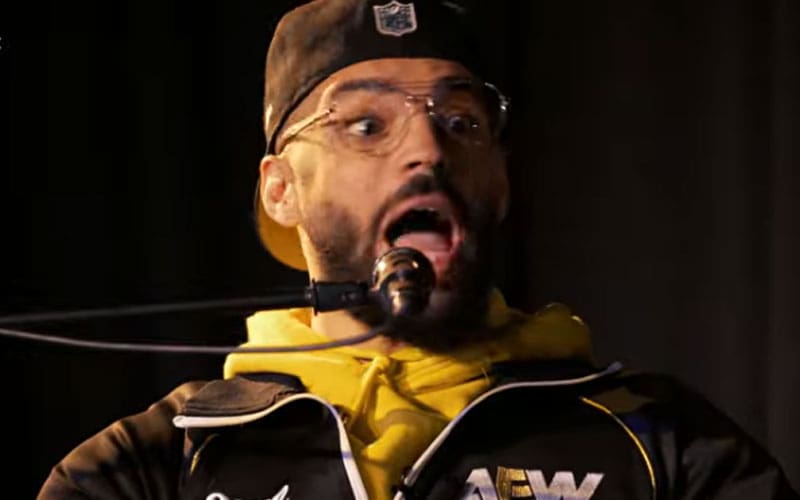
Why the modern wrestling landscape is failing its most vital performers

The Invisible Infrastructure of the Squared Circle
When we analyze professional wrestling, we often fixate on the 'X's and O's' of in-ring psychology—the pacing of a main event, the structural integrity of a high-spot sequence, or the tactical application of a finishing maneuver. However, the recent developments surrounding Samantha Irvin and the broader ecosystem of talent management reveal a glaring tactical failure in how promotions protect their most essential assets. Irvin, arguably the most impactful ring announcer of her generation, has recently been forced into a defensive posture, highlighting a systemic vulnerability that threatens the stability of the entire industry.
The Role of the Non-Combatant Asset
In tactical terms, ring announcers and broadcast talent are the connective tissue of a wrestling program. They provide the narrative framing, the temporal pacing, and the emotional weight that elevates a match from a physical contest to a spectacle. Samantha Irvin’s role is not merely decorative; it is functional. Her cadence, her ability to build anticipation, and her integration into the storytelling of major stars like Ricochet represent a specific 'force multiplier' effect. When a performer of her caliber is forced to withdraw from digital spaces due to external toxicity, the promotion loses a critical bridge between the product and the audience.
Tactical Vulnerability in the Digital Age
The incident surrounding the backlash to Ricochet’s MS remarks—and the subsequent harassment directed at Irvin—exposes a massive hole in the 'defensive line' of modern wrestling promotions. In the past, the 'kayfabe' wall provided a buffer. Today, the lines between personal identity and professional persona are surgically removed. Promotions are currently operating without a robust digital security strategy for their talent. We see the following tactical failures:
- Lack of Asset Protection: Promotions invest millions in physical training and medical staff, yet provide zero infrastructure for the psychological and digital safety of their employees.
- The Parasocial Trap: The industry encourages deep, parasocial engagement to drive engagement metrics, yet fails to manage the inevitable toxicity that arises when those boundaries are breached.
- The 'Silence' Strategy: Management’s tendency to remain neutral during targeted harassment campaigns is a strategic error that alienates talent and erodes company culture.
Analyzing the Fallout of the 'Ricochet Controversy'
From a technical standpoint, the discourse surrounding Ricochet and Irvin illustrates how quickly a narrative can spiral beyond the control of the booking office. When the conversation shifts from the in-ring output to the private lives and personal statements of talent, the promotion loses its ability to dictate the 'match flow.' The decision by Irvin to deactivate her social media presence is a tactical retreat—a defensive maneuver designed to limit the surface area of the attack. While this protects the individual, it disrupts the promotion's ability to maintain a cohesive brand voice.
The Strategic Shift Required
To move forward, the wrestling industry must treat its talent as high-value, vulnerable infrastructure. This requires a shift in how promotions view their digital footprint. We need to see: 1. Proactive Crisis Management: Instead of reactive PR statements, promotions need dedicated digital security teams to mitigate harassment before it forces talent to go dark. 2. Integration of Personal Safety into Contracts: Talent contracts should include clauses that mandate company-funded mental health support and digital scrubbing services. 3. The 'Wall' Re-establishment: Promotions must find a way to re-center the focus on the in-ring product while actively discouraging the weaponization of personal social media accounts. If the industry continues to prioritize engagement over the well-being of its 'connective tissue' staff, we will see an exodus of talent who are no longer willing to trade their mental health for a spot on the card.
Ultimately, the loss of Samantha Irvin’s digital presence is a loss for the fans. It is a failure of the promotion to protect their own ecosystem. When the people who make the show sound and feel important are being driven away by the very audience they serve, the tactical foundation of the product begins to crumble. It is time for the industry to stop viewing these incidents as 'unfortunate side effects' and start viewing them as the critical failures they are.
Stories from the Squared Circle: The Stories Behind the Moments That Defined Pro Wrestling
Dive deep into the secret history of your favorite industry moments.
Frequently Asked Questions
Why are ring announcers considered vital to wrestling promotions?
How does digital toxicity impact wrestling talent?
What are the primary tactical failures in modern wrestling talent management?
Why is the 'kayfabe' wall no longer effective for protecting talent?
What happens when promotions remain neutral during harassment campaigns?
More Coverage
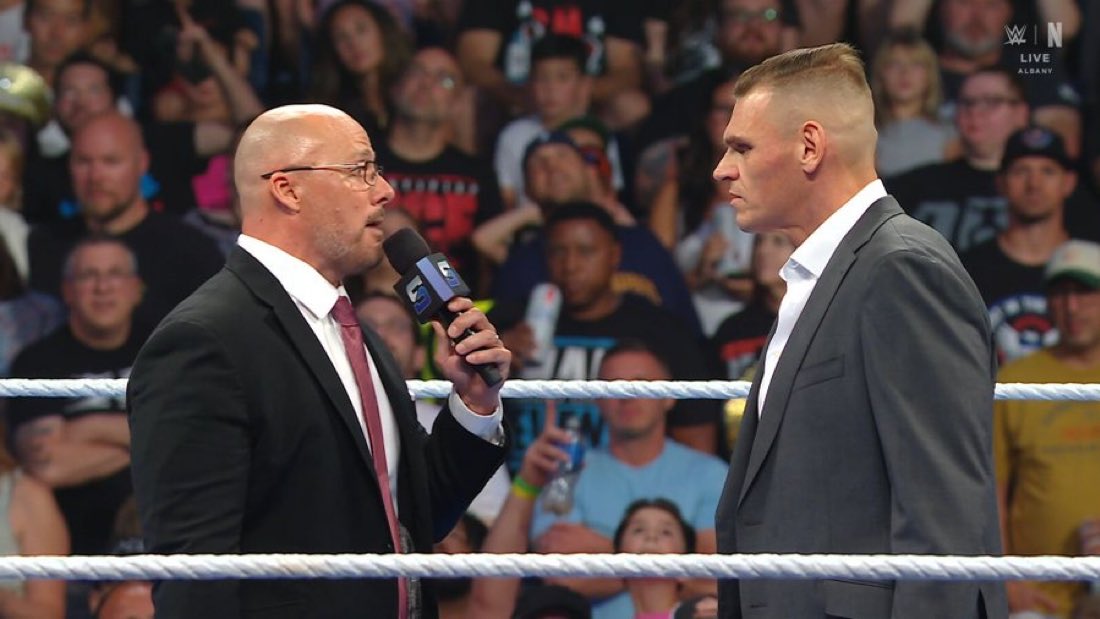
Stipulations are turning this weekend into a booking chaos simulator
42 minutes ago
Top 10: The Defining Moments of Modern Wrestling
an hour ago
Top 10: Defining Moments of the 2026 Wrestling Calendar
2 hours ago
Top 10: Defining Moments of the 2026 Wrestling Calendar
2 hours ago
The math behind AJ Styles' longevity and the myth of career security
2 hours ago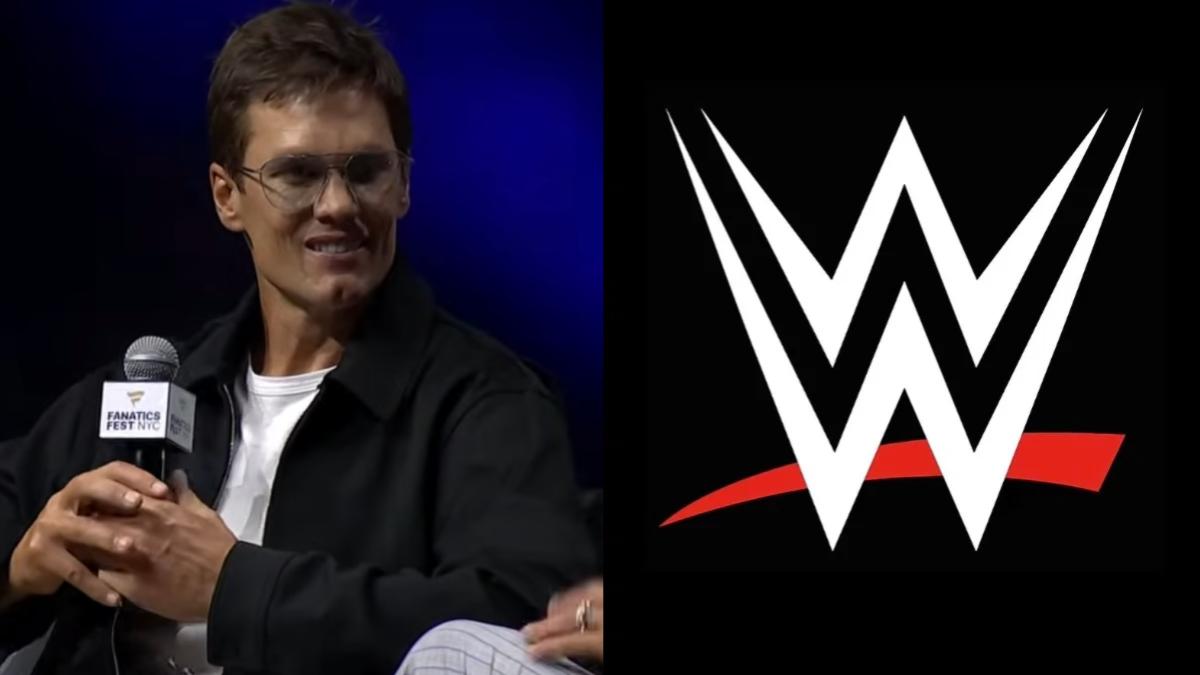
Can Logan Paul actually carry Tom Brady to a watchable WWE match?
2 hours agoMore Analysis

Samantha Irvin’s exit from Twitter proves wrestling fans have crossed a line
3 months, 4 weeks ago
Ricochet’s digital meltdown is a warning sign for the modern wrestler
3 months, 4 weeks ago
When the lines between kayfabe and cruelty blur beyond repair
3 months, 4 weeks ago
Modern wrestling talent faces a brutal collision of personal and professional life
5 days, 1 hour ago
Stalking isn't fandom: Why WWE talent deserve their privacy back
1 month ago