
Ricochet’s digital meltdown is a warning sign for the modern wrestler

The cost of the keyboard warrior
In the high-stakes arena of professional wrestling, the most dangerous weapon isn't a steel chair or a ladder; it is the smartphone. For years, we have seen performers navigate the treacherous waters of social media, but rarely have we seen a self-inflicted wound as jagged and public as the recent controversy surrounding Ricochet. After a series of heated exchanges, the high-flying sensation found himself in the crosshairs of public opinion following a deleted tweet that targeted a fan with a remark regarding Multiple Sclerosis.
It was a moment of pure, unadulterated hostility that felt entirely out of character for a man known for his gravity-defying grace inside the squared circle. To see a performer of his caliber—someone who has literally built a career on being a beacon of athleticism and sportsmanship—descend into the vitriol of the comment section is a sobering reminder that even the most polished stars are susceptible to the pressures of the digital age. The tweet, which has since been scrubbed from existence, left a stain that an apology simply cannot wash away.
The anatomy of a social media spiral
When we analyze the timeline of the incident, it becomes clear that this was not a momentary lapse in judgment, but the culmination of a mounting frustration. Ricochet has long been a lightning rod for criticism, often unfairly targeted by fans who mistake his lack of microphone charisma for a lack of talent. The irony, of course, is that the very fans who demand 'realism' and 'raw emotion' are often the ones pushing these athletes to the brink of a public breakdown.
The specific interaction in question—a jab at a fan’s health status—crossed a line that turned a standard 'wrestler vs. fan' spat into a genuine PR crisis. It is one thing to defend your work rate or your booking; it is quite another to weaponize a medical diagnosis. The backlash was swift, loud, and entirely justified. When you are a public figure, the platform you occupy is a privilege, and using that platform to punch down is a strategic and moral failure.
Why the delete button isn't enough
We live in an era of screenshots and archives. The act of deleting a tweet is, in many ways, an admission of guilt that only serves to amplify the original message. Ricochet attempted to walk back the comments, but the damage was already done. In the world of professional wrestling, perception is reality, and for a few hours, the reality was that a top-tier babyface had lost his cool in the most grotesque way possible.
The digital footprint of a performer is now as important as their win-loss record. If you can't control your temperament in the mentions, you aren't ready to lead a locker room.
This incident highlights a growing trend where wrestlers are expected to be available 24/7. They are asked to engage with fans, promote their matches, and maintain an 'in-character' persona, all while being subjected to constant harassment. However, there is a distinct difference between ignoring a troll and engaging in a race to the bottom. The latter is a losing game every single time.
The broader implications for talent management
The promotion has been notably quiet on the matter, a strategy that is becoming increasingly common in the modern landscape. Rather than issuing a formal suspension or a public reprimand, the powers that be seem content to let the internet cycle move on to the next outrage. But this passive approach ignores the underlying issue: talent wellness. When a performer is acting out in such an erratic manner, it is often a sign of burnout or deep-seated resentment toward their current position on the card.
Consider the trajectory of Ricochet over the last eighteen months. He has been a staple of the mid-card, a reliable hand for television matches, but he has struggled to find a narrative hook that resonates with the broader audience. When the creative process stalls, the frustration has to go somewhere. Unfortunately, for Ricochet, it went directly into his thumbs.
- The Pressure Cooker: The constant demand for social media engagement creates a toxic environment that encourages conflict.
- The Accountability Gap: When wrestlers lack a clear creative direction, they often look for validation—or confrontation—online.
- The Brand Damage: Sponsors and partners are increasingly sensitive to the off-screen behavior of talent, making these outbursts a liability for the company's bottom line.
Moving forward from the wreckage
Can Ricochet recover from this? In the short term, absolutely. Wrestling fans have a notoriously short memory, and a few high-flying maneuvers in a high-profile match will likely distract the masses from this incident. However, the internal damage—the loss of trust from colleagues and the heightened scrutiny from management—is a much harder hurdle to clear. He has effectively handed his critics a permanent piece of ammunition.
Ultimately, this serves as a cautionary tale for the entire roster. The barrier between the performer and the audience has been eroded, and while that has its benefits, it also exposes the athletes to the worst impulses of the internet. Ricochet is a world-class athlete, but he is currently learning a painful lesson about the difference between being a star and being a public figure. He needs to put the phone down, refocus on the craft, and let the athleticism speak for itself. Anything else is just noise, and in this industry, noise is the enemy of longevity.
Read Next
- Samantha Irvin’s exit from Twitter proves wrestling fans have crossed a line
- Liv Morgan is finally done playing the underdog
- Ted DiBiase Jr. walks free, but the legacy of the Million Dollar Man is forever tarnished
- Tama Tonga’s moment of madness proves that professional wrestling is still the wild west
Under the Black Hat: My Life in the WWE and Beyond
Good ol' JR takes us behind the scenes of the legendary Attitude Era.
Frequently Asked Questions
What caused the recent social media controversy involving Ricochet?
Why is deleting a controversial tweet ineffective for wrestlers?
How does social media pressure affect professional wrestlers?
What does the article suggest about a wrestler's digital footprint?
Why was Ricochet's behavior considered out of character?
More Coverage
When Ozzy wasn't looking: The weirdest wrestling crossover of the year
23 minutes ago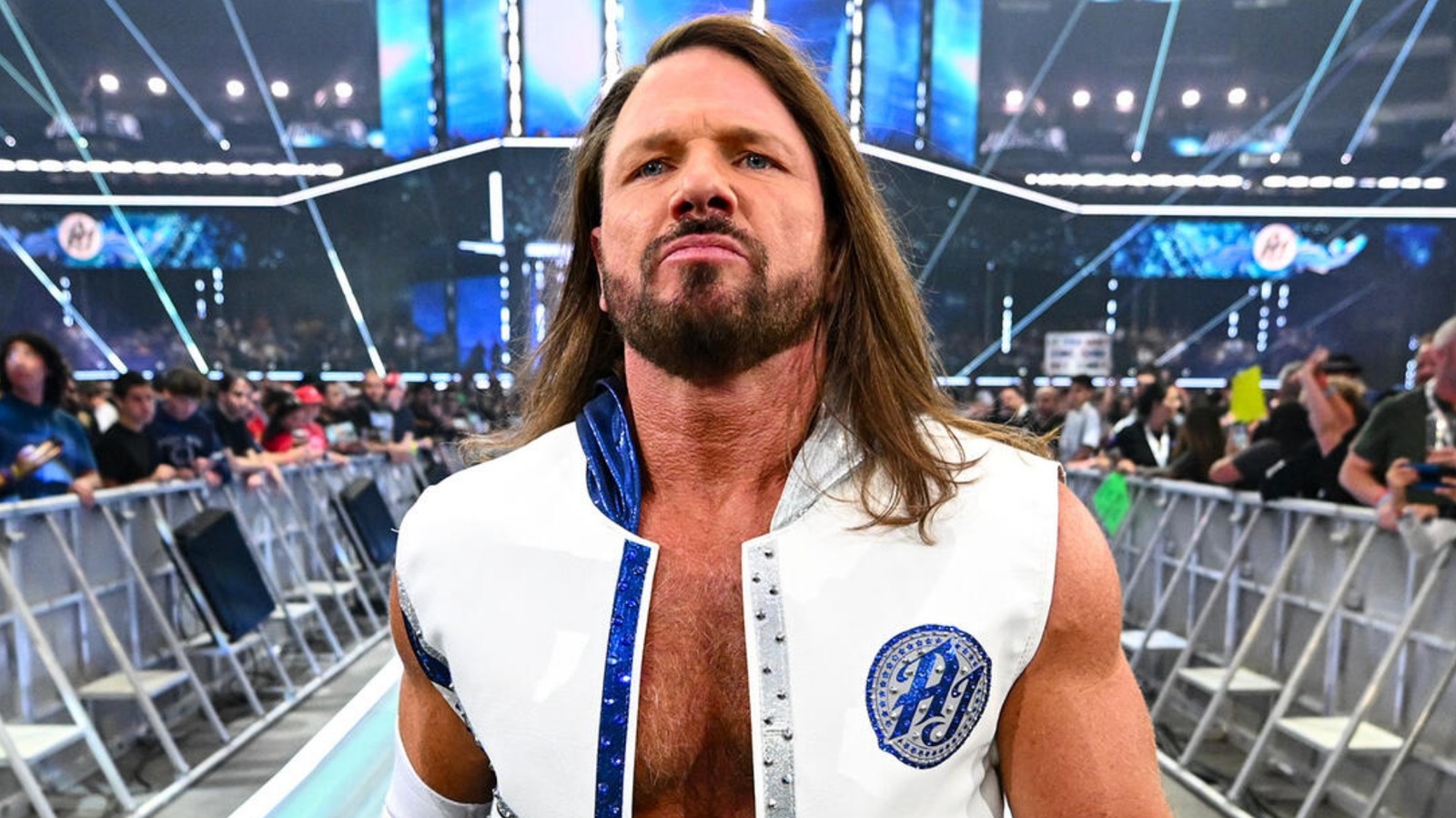
AJ Styles is reflecting on his legacy while others look elsewhere
28 minutes ago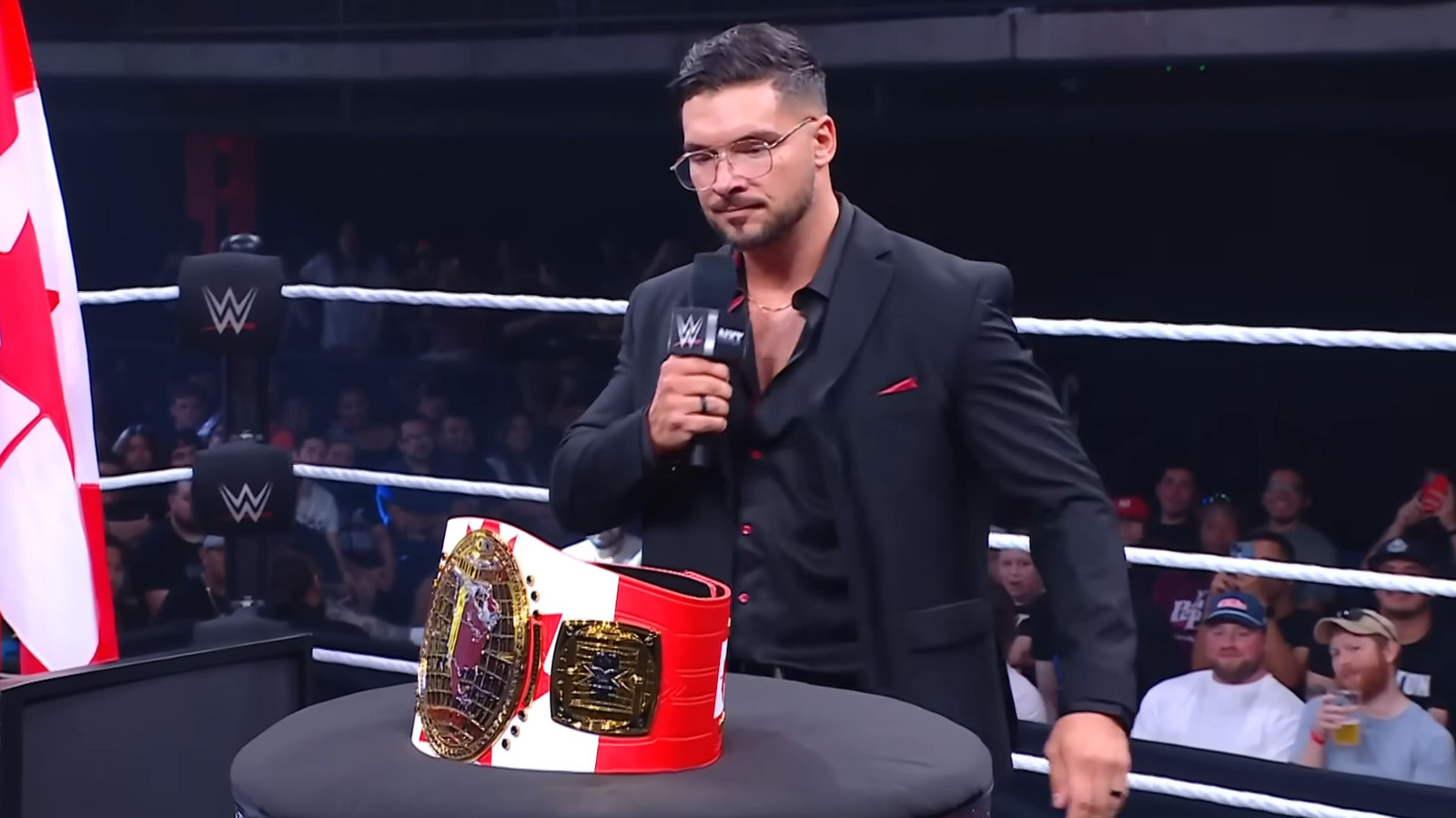
Ethan Page is playing a dangerous game with his ego in NXT
39 minutes ago
Ethan Page says his custom NXT title was the real top prize and fans are split
39 minutes agoGear Check: Sorting the Must-Haves from the Merch Table Filler
an hour ago
Why CM Punk vs Cody Rhodes is a game of psychological chicken
2 hours agoMore Match Reports
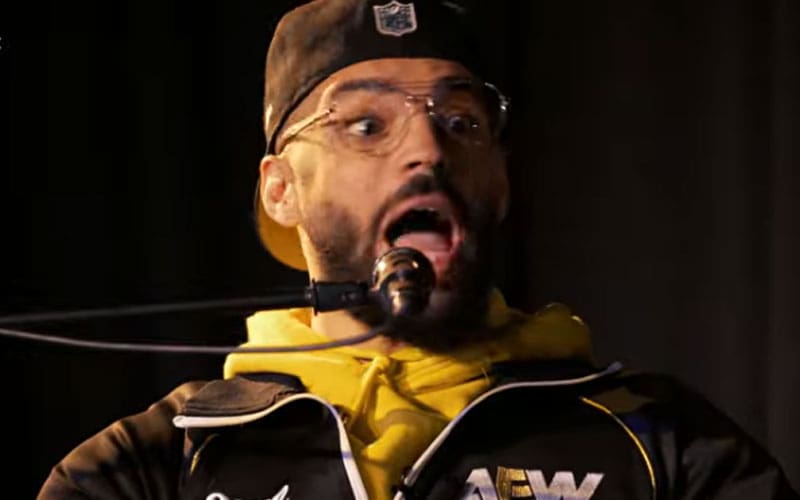
Ricochet vs. the Internet is exactly the feud nobody asked for
3 months, 3 weeks ago
Samantha Irvin’s exit from Twitter proves wrestling fans have crossed a line
3 months, 4 weeks ago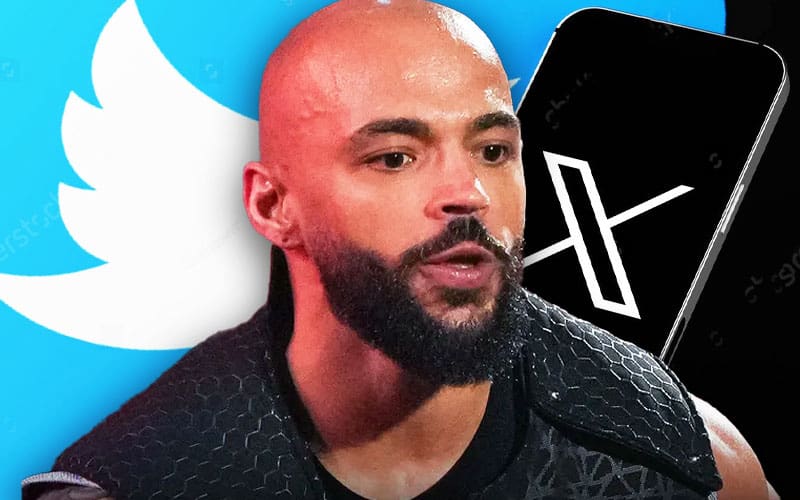
Ricochet's AEW transition hit by social media PR management scramble
3 months, 3 weeks ago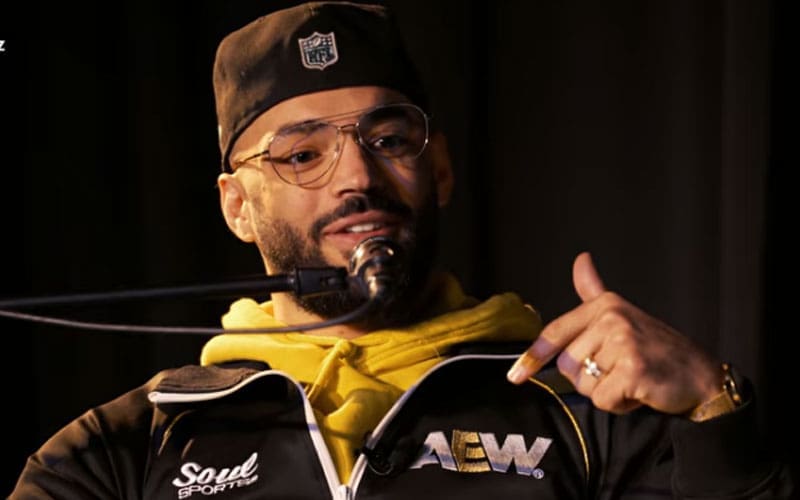
Ricochet's Twitter fingers are about to cost him his AEW push
3 months, 3 weeks ago