The dark side of the digital ring
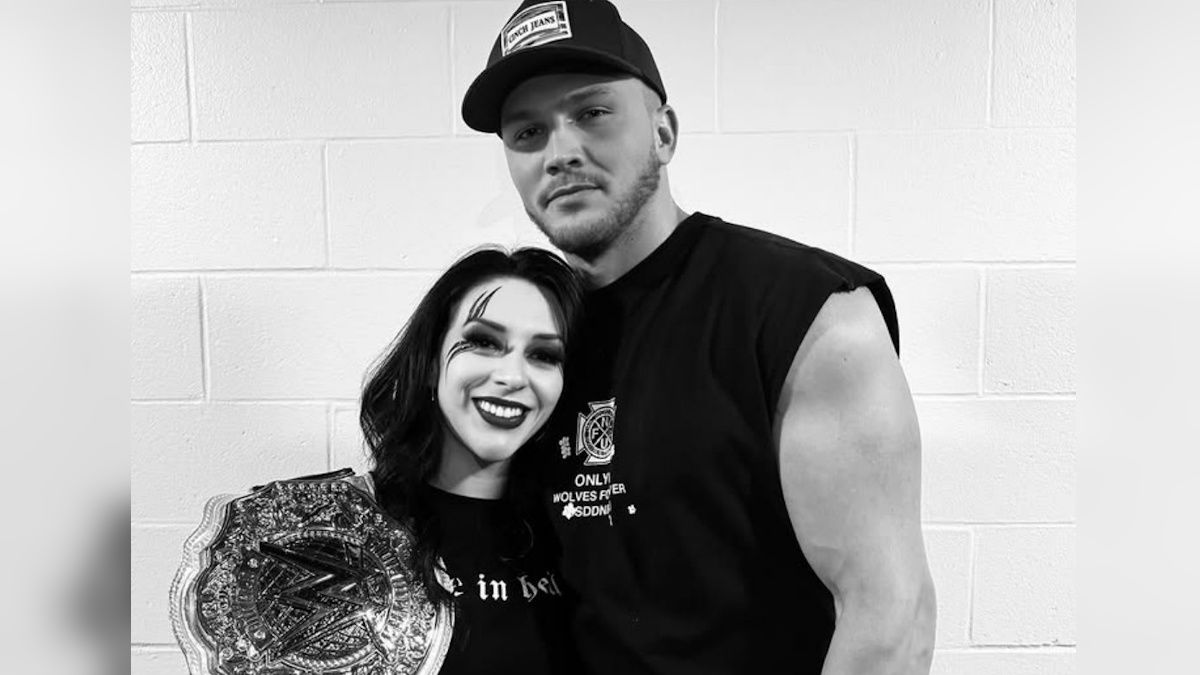
In the modern era of professional wrestling, the barrier between the performer and the fan has never been thinner. We live in a world where social media platforms act as both a promotional tool and a direct pipeline for vitriol. This week, we saw the absolute worst of that dynamic play out as Samantha Irvin, one of WWE’s most iconic and talented ring announcers, was forced to deactivate her Twitter account following a tidal wave of harassment.
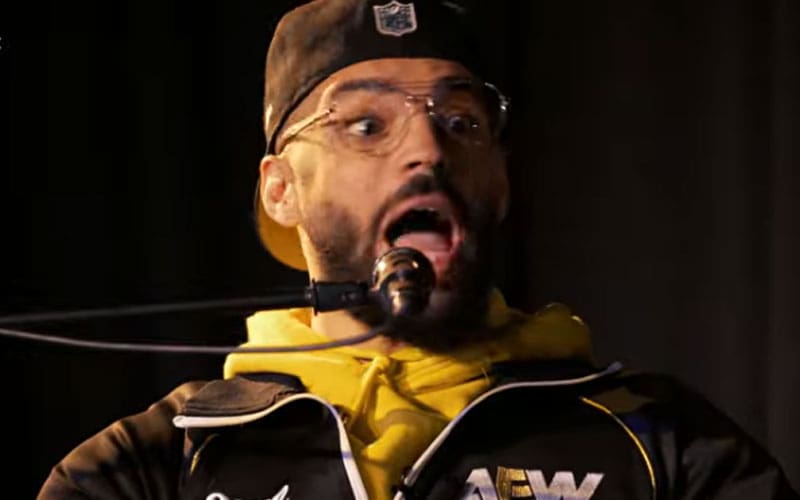
The controversy stems from the recent discourse surrounding her partner, Ricochet, and his comments regarding Multiple Sclerosis (MS). In a volatile corner of the internet, nuance is often the first casualty. When Ricochet found himself in the crosshairs of a polarized fanbase, it didn't take long for the toxicity to bleed over into the personal life of his partner. What started as a debate about public comments rapidly devolved into a campaign of harassment, culminating in vile, targeted death threats aimed directly at Irvin.
The anatomy of a social media pile-on
To understand the gravity of this situation, we have to look at the timeline. It began with Ricochet’s remarks, which sparked a firestorm of criticism. While public figures are accustomed to scrutiny regarding their professional stances, the modern wrestling fan base has developed a disturbing tendency to treat the partners of performers as collateral damage. Samantha Irvin, who has built a brand defined by her incredible vocal talent and genuine charisma, suddenly found herself being held accountable by strangers for the words of someone else.
The harassment wasn’t just a few "mean tweets." By Irvin’s own admission, the situation escalated into genuine threats to her safety. This is the reality of the "stan culture" that has permeated professional wrestling. When a narrative is set, the most radicalized segments of the fan base feel entitled to dispense their own brand of "justice," regardless of the human cost.
"The line between fan passion and criminal harassment has been blurred for years, but the decision to target a non-participant in the controversy with death threats marks a new, rock-bottom low for the online wrestling community."
The backstage perspective on the fallout
Behind the scenes, the sentiment is one of frustration and protective anger. WWE management and fellow performers have long been aware of the toxicity that exists on platforms like X (formerly Twitter). However, seeing one of their own forced to step away from the public sphere because of external threats is a sobering reminder that the company’s "social media engagement" strategy has a massive, unaddressed flaw.
Sources close to the situation suggest that Irvin’s decision to deactivate was not a surrender, but a necessary act of self-preservation. When you are being flooded with notifications of hate, it becomes impossible to maintain the work-life balance required to perform at the level of a WWE broadcast professional. The industry is reaching a boiling point where performers are starting to question whether the benefits of social media presence outweigh the mental health toll of constant, unchecked abuse.
Why this is a watershed moment for wrestling fandom
We need to have a serious conversation about the culture of wrestling social media. For too long, we have excused aggressive behavior as "passion" or "the nature of the business." That excuse no longer holds water when death threats become the weapon of choice. The fact that an announcer—a person whose primary job is to enhance the spectacle for the fans—is being targeted in this manner is a symptom of a deeply broken ecosystem.
If the wrestling community wants to be taken seriously as a modern entertainment industry, it needs to police its own. There is a massive difference between criticizing a promo, a match, or a public statement, and weaponizing an army of trolls to terrorize a woman in her private life. The "Ricochet controversy" is ultimately a footnote compared to the broader issue of how fans treat the people behind the personas.
As Irvin takes her space, the ball is in the court of the fans. Will we continue to let the most toxic voices define the conversation, or will we collectively push back against the harassment that is driving some of the industry's brightest stars into the shadows? The silence on her timeline is a testament to the fact that, for now, the bullies have won. But that doesn't mean the rest of us have to accept this as the status quo.