The brutal reality of the independent circuit
There is nothing quite like the pressure of that first match back on the independent scene. The safety net of the Stamford machine is gone. No meticulously planned lighting cues.
No heavily produced video packages masking your in-ring flaws. When a recently released superstar books their first post-WWE indie appearance, the reality check hits the moment they step through the curtain.
We have watched this exact scenario play out dozens of times over the last decade. Some figure it out immediately. Cody Rhodes walked away from the sports entertainment bubble and completely rebuilt his value. He went out and wrestled guys like Nick Aldis and Kenny Omega, proving he could hang in 30-minute broadways.
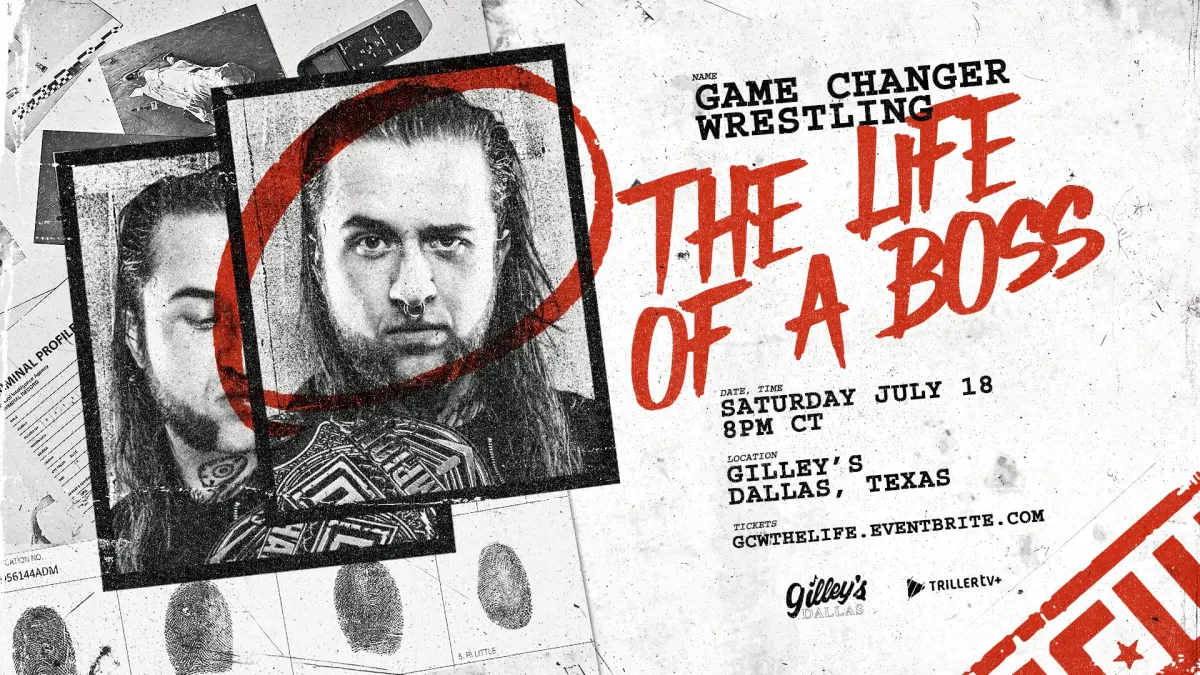
Matt Cardona took a different route. He leaned into the internet hate, reinventing himself in Game Changer Wrestling by bleeding buckets with Nick Gage. He traded his pristine television gear for a torn t-shirt and light tubes.
But for every Cody Rhodes or Matt Cardona, there are five cautionary tales. We see wrestlers who freeze when they realize they can no longer coast on a basic five-minute TV match structure. They hit the indies expecting to be treated like returning royalty, only to find an audience that demands work rate above all else.
What is actually at stake in the debut
The recent news that another released talent has officially booked their return to the indies is always an intriguing test case. It immediately raises the question of their core motivation. Are they just collecting a quick payday off their television name? Or are they genuinely hungry to prove the WWE office wrong?
The pacing of an independent main event is vastly different from a Monday Night Raw midcard bout. You aren't working your spots around three-minute commercial breaks. You don't have a producer in the referee's ear telling you to lock in a chinlock because the broadcast needs to plug a sponsor.
You are performing in front of 400 to 1,000 hardcore fans who expect you to lay your stuff in.
When you look at the recent crop of releases from the past few years, the transition has been a mixed bag. Guys like Mustafa Ali hit the ground running. Ali went out and wrestled Will Ospreay, Mike Bailey, and Hiromu Takahashi. He worked a blistering pace that reminded everyone why he was highly touted in the first place.
He didn't rely on basic strikes. He brought back the 054 splash, the rolling neckbreakers, and a renewed aggression that had been stripped away on television.
Conversely, you see talents who try to work the exact same match they worked on Main Event. They throw a few working punches, hit a basic suplex, and wait for a pop that never comes. The indie crowd in 2026 is ruthless. If you don't bring the intensity, they will turn their backs on you.
The challenge of the local opponent
Whoever this newly released superstar faces in their first match back, the dynamic across the ring remains identical. The indie regular sees a massive target. They see someone who held the brass ring and lost it. For the local talent, this isn't just another booking. It is a tryout tape.
That means the ex-WWE talent is going to get hit noticeably harder. The chops will sting more. The pace will be relentless from the opening bell. You cannot just throw a lazy forearm and expect the crowd to react. You have to chain wrestle.
You have to take bumps on harder rings with significantly less give than the reinforced WWE canvas. If the released talent tries to walk through a basic rest-hold heavy match, the crowd will turn on them by the 10th minute. The boos will start. The chant of "you got fired" will echo through the armory.
It is a psychological test as much as a physical one.
This is exactly where the in-ring flaws get exposed. The WWE training system teaches you to play to the hard camera. It teaches you to maximize minimal movement to save your body for a 200-day schedule. But in a sweaty building in Philadelphia, Reseda, or Chicago, the hard camera is irrelevant. The fans in the front row are leaning against the guardrail. They can see if you are pulling your kicks or light on your stomps.
What to watch for when the bell rings
When the bell finally rings on this debut, watch the footwork in the opening collar-and-elbow tie-up. That initial exchange usually tells the entire story of the match. If the ex-WWE star aggressively shoots for a takedown or snaps off a crisp, stiff arm drag, they are mentally engaged. It shows they respect the environment.
If they stall, pander to the crowd for cheap cheers, and rely on their old television catchphrases, it is going to be a very long night. The fans will smell the complacency immediately. They want to see a fight, not a rerun of a three-year-old SmackDown segment.
Stamina is the second major factor to monitor. Working a 20-minute indie main event requires a completely different cardiovascular base than a heavily produced television tag match. We routinely see former main roster talents blow up heavily around the 12-minute mark.
They simply aren't used to chaining high-impact spots together without a built-in breather.
But the most important thing to watch is the finish. Does the released star insist on winning with their established WWE finisher, or do they debut an entirely new move set? A new finishing sequence signals a clean psychological break from their past employer. It proves they spent their 90-day non-compete clause actively developing their character.
Look at Drew McIntyre's run in Evolve and ICW before he returned to WWE. He didn't just rely on the Future Shock DDT. He added the Claymore, he became more vicious, and he completely altered his ring psychology. He stopped wrestling like a guy hoping not to make a mistake and started wrestling like a heavyweight killer.
The wider industry context
We are sitting in a fascinating period for professional wrestling. With AEW Double or Nothing happening on May 24, just days from now, the broader wrestling conversation is dominated by top-tier athleticism and violent storytelling. The standard for in-ring work across the entire industry has never been higher.
An ex-WWE guy trying to run an indie show on name value alone isn't going to cut it anymore. The days of Virgil charging twenty bucks for a Polaroid are dead. The modern indie fan expects you to go out there and risk your neck. They expect apron bumps, stiff lariats, and a sense of urgency.
There is also the underlying pressure of the scouting network. AEW scouts, New Japan representatives, and TNA management all watch these post-WWE indie debuts. A strong showing can immediately lead to a lucrative contract offer. A lazy, uninspired performance can completely tank your market value in a single evening.
This upcoming booking is an audition for the rest of their career. They have to prove they weren't just a product of the machine. They have to prove they can draw money, pop a crowd, and tell a compelling story without a team of writers feeding them lines.
The prediction
The indie scene in 2026 is entirely unforgiving. Fans are smarter, and their patience for sloppy ring work is nonexistent. This first match out of the gate is going to be a rude awakening for the released talent.
My prediction is simple. The released talent will likely get his hand raised to send the local crowd home relatively happy, but the match itself will not be a classic. They will struggle visibly with the elevated pace. They will get blown up late in the contest, realizing in real-time that the gap between a WWE midcarder and an indie main eventer is wider than they anticipated.
Expect a distinctly clunky finish. I am anticipating a sloppy roll-up or a mistimed strike that fails to connect cleanly. The hardcore fans will likely walk out to their cars complaining about the lack of work rate and questioning if the talent still has the fire to compete.
They might eventually find their footing after a few months on the road, shedding the rust and adapting to the stiffer style. But match number one? Match number one is going to be a miserable, grinding struggle. The honeymoon period ends the second the bell rings.