The Hangover of Spooky Wrestling
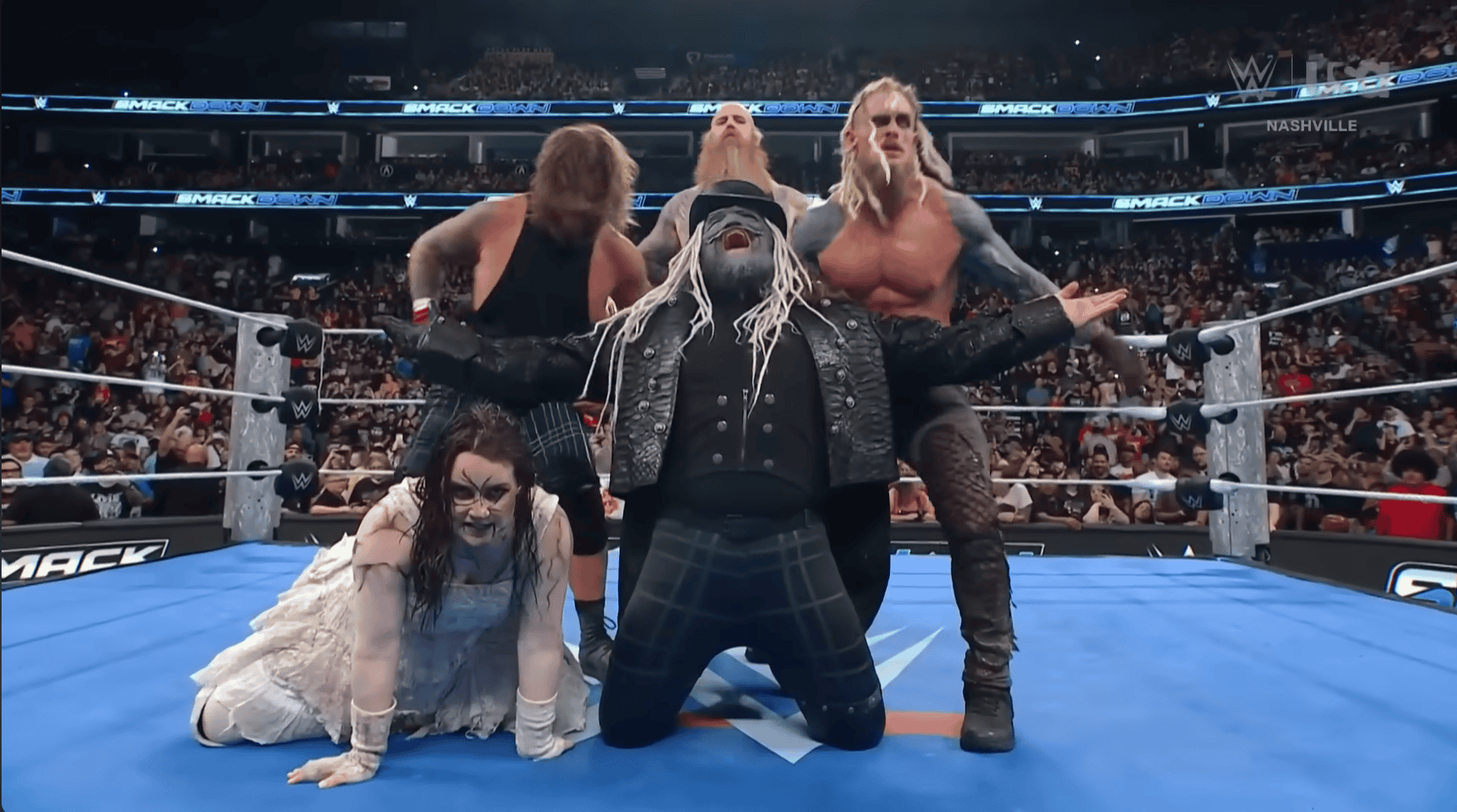
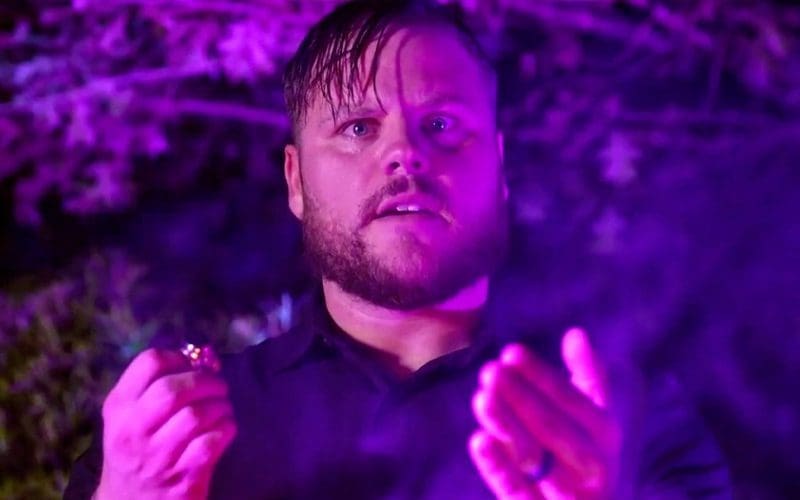
The news dropped with barely a whisper, but it carries massive implications for the independent circuit. Former WWE star Joe Gacy is already heading back to the ring. Following the company's decision to release the Wyatt Sicks faction earlier this year, Gacy is officially back on the open market.
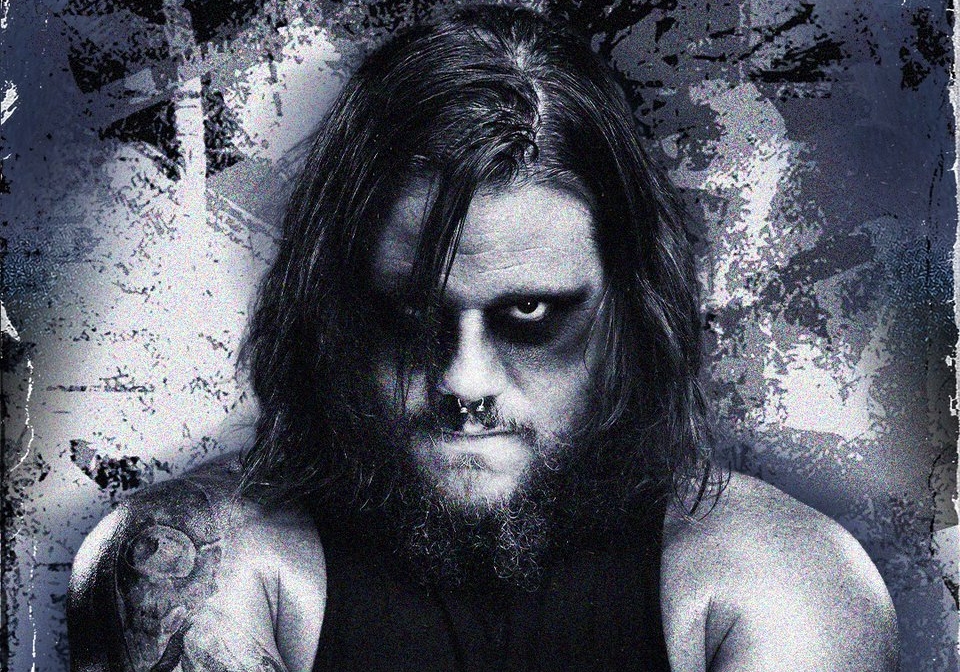
He is returning under a new moniker, shedding the spooky aesthetic that defined his last three years on national television. This is not just another standard post-release booking. It is a stylistic rescue mission.
Gacy is attempting to salvage his in-ring identity after it was buried under layers of fog machines, cryptic vignettes, and convoluted lore. The Wyatt Sicks experiment failed spectacularly. You simply cannot wrestle a ghost story. WWE tried to force a complex, supernatural narrative into a medium that fundamentally relies on physical struggle.
Gacy suffered the most from this creative void. He was the designated workhorse of a group that actively avoided traditional wrestling matches. He took the bumps. He fed the babyfaces. He stalled for camera cuts and lighting changes.
When you spend your prime years wrestling for the hard cam instead of the live crowd, your internal metronome shatters. His timing in WWE became noticeably sluggish. His offensive transitions were delayed by the need to hit specific, mandated character beats.
The independent scene of 2026 does not wait for a red light on a camera. The current style is blindingly fast, built on hybrid striking and endless stamina. Gacy has to unlearn the heavily scripted WWE style, and he has to do it instantly if he wants to survive his first weekend back.
Deconstructing the Base
To understand what Gacy needs to do, we have to look at what made him a blue-chip prospect in the first place. Before he was swallowed by the Schism and the Wyatt Sicks, Gacy was one of the most mechanically sound heavyweights on the East Coast.
Look past the handspring lariat. That is a move that gets social media engagement but rarely dictates the actual flow of a match. His true value lies in his base.
Gacy possesses a remarkably low center of gravity and uses it to absorb impact perfectly. He doesn't take flat back bumps on the first shoulder tackle. He staggers. He forces opponents to string together three or four combinations just to put him on the mat.
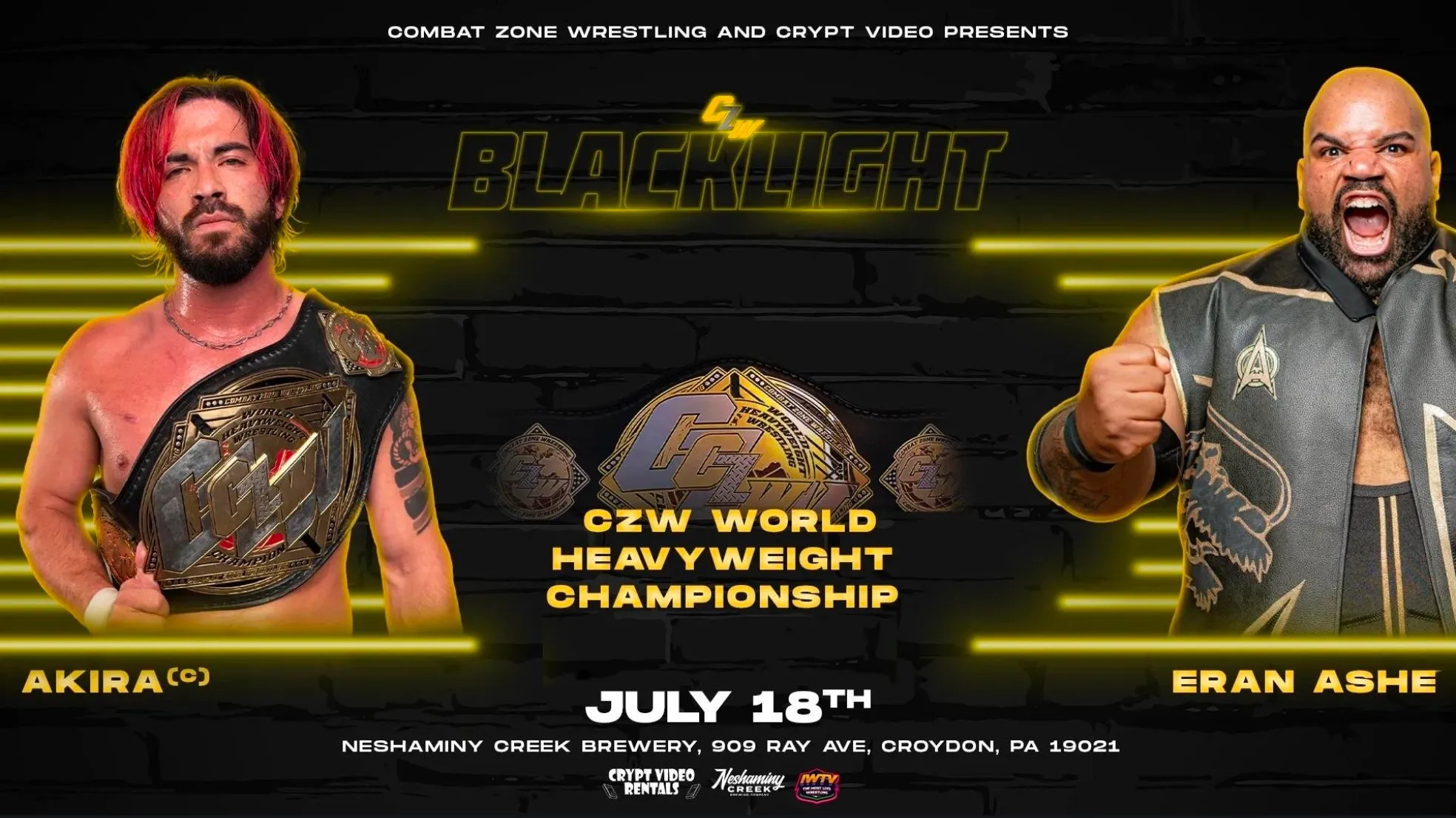
This forces smaller opponents to work harder, burning their cardio early in the match. His footwork is deceptively sharp for a man of his size. Watch his archival tape from his Evolve and CZW runs against heavy hitters like Keith Lee.
When he shoots an opponent into the ropes, he doesn't stand flat-footed waiting for the return. He pivots. He constantly adjusts his angle to either catch them with a tilt-a-whirl backbreaker or step aside and let them crash into the turnbuckle.
That kind of ring awareness doesn't disappear, but it absolutely can rust.
The Tactical Flaw
But Gacy is far from a flawless worker. Even during his peak independent run, he possessed a glaring tactical weakness. Gacy has a terrible habit of wrestling to his opponent's pace.
If he faces a high-flyer, he inexplicably tries to match their speed. He will run the ropes when he should be cutting off the ring. He abandons his distinct size advantage to prove he can work a fast-paced indie sprint.
It is a massive error in judgment that cost him countless matches in his early career. By trying to keep up with smaller, faster men, he exhausts his own gas tank and exposes himself to quick roll-ups. A heavyweight should dictate the geography of the ring. Gacy too often allows his opponent to draw the map.
The Blueprint for the Return Match
We don't need to know his specific opponent to know exactly how his first match back needs to be structured. The opponent is entirely secondary. Gacy is wrestling his own ring rust and the suffocating shadow of his former gimmick.
He needs a sprint. A brutal, breathless 12-minute brawl is the only acceptable format for this return. If the match goes twenty minutes and features rest holds, the promoter has completely misunderstood the assignment.
The opening bell will tell us everything we need to know about his mindset. If Gacy initiates a slow lock-up and stares blankly at the crowd, the WWE programming is still running in his head. He needs to close the distance the second the bell rings.
He should force the tie-up, drive his opponent deep into the turnbuckles, and throw a heavy, unblocked forearm on the break. He has to establish immediate physical dominance before the crowd has a chance to chant about his old faction.
Striking and Selling
His strike exchanges will be heavily scrutinized. In the WWE system, punches are heavily worked and pulled to accommodate the camera angle. On the indies, you have to lay it in.
Gacy needs to throw European uppercuts that visibly snap the opponent's head back. He needs to remind the audience that he is a 250-pound athlete capable of causing concussive damage, not just a cult member reading from a teleprompter.
Around the five-minute mark, his opponent will inevitably take control. This is where Gacy's defensive psychology will be tested. Will he bump cleanly, or will he try to weave theatrical character work into his selling?
There is absolutely no room for theatrical pain here. When he takes a high-angle suplex, he needs to sell the blunt force trauma, not a crisis of conscience. His defensive work should rely entirely on desperation.
He needs to kick out aggressively at a one-count. He needs to crawl frantically to the ropes instead of laying dead center waiting for his opponent to drag him into position.
The Handspring Problem
We also have to address the handspring lariat. It is his signature sequence, but it is also his most vulnerable mechanical action. The setup requires him to bounce off the ropes with his back completely turned to his opponent.
Against a smartly trained worker, that split-second of total blindness is fatal. Gacy heavily telegraphs the move. He drops his hips slightly and widens his stance right before launching into the ropes.
A properly scouted opponent will simply step out of the way or catch him with a shotgun dropkick mid-rotation. Gacy needs to use the handspring sparingly in this new run. It cannot be his only reliable path to victory.
He needs a secondary, impact-based finisher. A lariat from a standing position or a high-angle powerbomb that doesn't require a gymnastics routine to set up would serve him infinitely better.
The Reality of the Independent Scene
The wrestling world of May 2026 is unforgiving. With massive shows like AEW Double or Nothing just ten days away, and the summer calendar rapidly filling up, fans have zero patience for slow, plodding character work on independent cards. The standard for a main event has shifted dramatically since Gacy last worked full-time on the indies.
Audiences today want workrate. They want violence. They want absolute efficiency from bell to bell. A rest hold in the first five minutes will be met with immediate hostility.
Gacy has the physical tools to deliver the exact kind of match the modern scene demands. He survived the WWE developmental system and main roster call-up, but the Wyatt Sicks run fundamentally altered his physical presentation. He was directed to walk slowly, to react slowly, and to hit softly. This first match back isn't about winning a regional title or popping a local crowd with a surprise appearance.
It is an exorcism. He has to violently purge the last three years from his muscle memory.
The Prediction
Gacy is heading back into the ring under a new name, leaving the Wyatt Sicks far behind him. The sheer physical relief of wrestling without a mask, without dim lighting, and without a convoluted backstory will carry him through the early adrenaline dump.
He will win his return match. He absolutely has to in order to establish his new identity. But it will not be a flawless technical exhibition. There will be noticeable moments of hesitation.
He will likely look for a hard cam that isn't stationed there. He will probably rely too heavily on the handspring lariat when a standard, stiff clothesline would easily do the job.
Expect a messy, highly physical, and aggressive bout. The spooky gimmicks are dead and buried. The heavyweight brawler is finally back. And while his timing might be a half-step slow out of the gate, his fundamental grasp of ring positioning will ensure he doesn't drown on his first night back in the deep end.