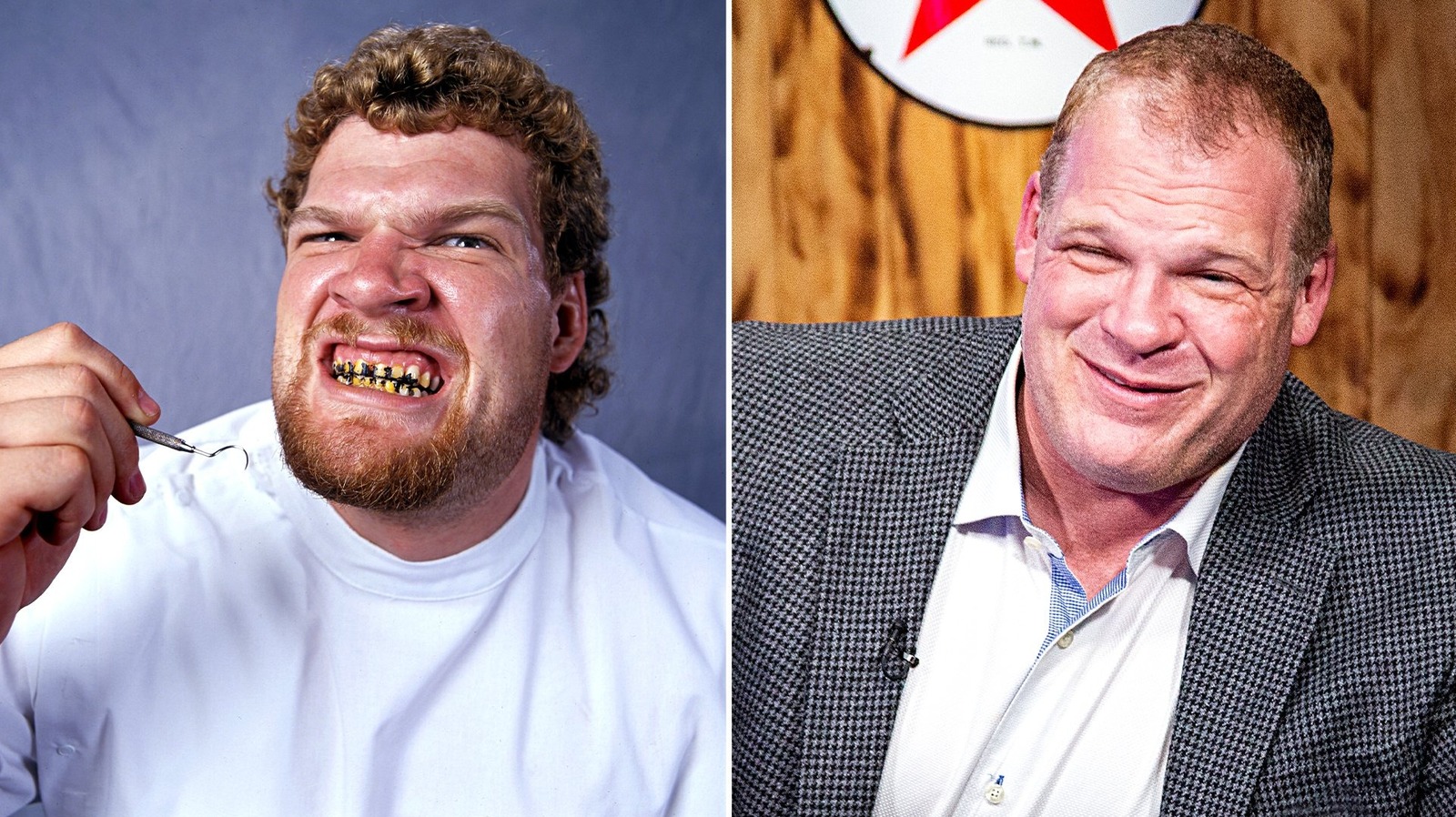
Why nostalgia is the double-edged sword currently defining wrestling

The dangerous allure of the greatest hits tour
In the landscape of modern professional wrestling, there is a recurring temptation that promoters and performers alike find impossible to resist: the past. Whether it is a legendary persona being dusted off for a stadium pop or a faction reunion that promises to remind fans of a glory era, the industry is perpetually looking in the rearview mirror. But as we see with current discourse surrounding Finn Balor, Dani Luna, and the evolving roster of TNA Wrestling, there is a massive divide between what fans want and what actually moves the needle.
Take the recent comments from Booker T regarding Finn Balor. The Hall of Famer recently argued that Balor needs to bring back The Demon persona to generate true excitement. It is the kind of advice that sounds intuitively correct to a casual fan. After all, Balor as The Demon went undefeated for long stretches in NXT and provided some of the most visually arresting entrances in the history of the WWE. It is a gimmick that prints money in merchandise and guarantees a reaction from a crowd.
The Demon is a character that people are going to be clamoring for, and it is something that, when it comes out, it is a big deal. You can't just throw it away.
However, that sentiment ignores the fundamental reality of Balor's current run. He is currently one of the most consistent, technically sound performers in the Judgment Day stable, a group that has defined Raw for the better part of two years. By tethering him to a supernatural gimmick that requires specific booking constraints, you risk diluting the grounded, gritty work he has done as a heel. Sometimes, the "big deal" isn't the paint; it is the consistency of the character work on a weekly basis.
The struggle for identity in TNA
While WWE wrestles with the legacy of its established stars, TNA Wrestling finds itself in a different kind of identity crisis. The promotion is currently trying to balance the need for fresh, exciting talent with the comfort of familiar brands. This is best exemplified by Dani Luna, who recently spoke publicly about her desire to bring the SubCulture faction back to TNA. For the uninitiated, SubCulture was a breath of fresh air—a vibrant, high-energy group that felt distinctly modern.
The desire to bring back a successful act is understandable. Luna knows that the chemistry was there and that the fans responded to the specific dynamic of that group. But does TNA benefit from looking backward? The company has spent the last year trying to rebrand itself following the end of the Impact Wrestling era. They are attempting to position themselves as a destination for hungry, independent talent who want to make a name for themselves rather than just being a "reunion" promotion.
The AJ Francis factor
Perhaps the most interesting case study in this modern era is AJ Francis. After a tumultuous departure from WWE, where his Hit Row faction never quite found their footing, Francis has found a new home in TNA. His recent comments regarding his re-signing—specifically praising Carlos as the best boss he has ever worked for—highlight the importance of culture over branding. Francis isn't chasing a past gimmick; he is finding a new rhythm in a promotion that actually values his input.
The contrast here is vital. AJ Francis is succeeding because he is moving forward, not because he is trying to recreate the Hit Row magic. When talent becomes obsessed with "bringing back" a former iteration of themselves, they often fail to evolve. The wrestling business is brutal in its efficiency; it discards those who cannot adapt. Francis has recognized that his "boss" and his current creative environment are worth more than the nostalgia of a previous contract.
The fan's role in the cycle
As fans, we are often the architects of this problem. We clamor for The Demon, we demand the return of SubCulture, and we cheer for legends who should have retired a decade ago. We treat wrestling like a comfort food, expecting the same flavors we enjoyed in 2015 or 2005. But when a promotion actually gives us exactly what we asked for, we often grow bored of it within three weeks. Nostalgia is a powerful drug, but it has a very short half-life.
We need to stop asking for the "greatest hits" and start demanding better execution of new ideas. Finn Balor doesn't need paint to be a top-tier performer; he needs a compelling storyline that justifies his position at the top of the card. Dani Luna doesn't need a tag-team reunion to prove her worth; she needs a singles run that showcases her growth as a performer since her SubCulture days. TNA doesn't need to be the "old TNA"; it needs to be the best version of the promotion that exists today.
- Finn Balor's work in Judgment Day proves that character depth outweighs aesthetic gimmicks.
- Dani Luna's desire for a reunion is a testament to the bond of the group, but it may hinder her individual trajectory.
- AJ Francis is the blueprint for a "second act" success story by prioritizing team culture over past branding.
Ultimately, the wrestling industry thrives when it is unpredictable. The moment we know exactly what a wrestler is going to do—because we have seen it done a hundred times before—is the moment we stop paying close attention. Let The Demon stay in the past. Let SubCulture be a fond memory. Give us something new, something raw, and something that doesn't rely on a dusty highlight reel to justify its existence. The future of the business depends on it.
Elite Series WWE Action Figure, CM Punk - Fan Favorite Collectible
A highly articulated figure for the 'Voice of the Voiceless.'
Frequently Asked Questions
Why does Booker T believe Finn Balor should bring back The Demon?
What are the risks of bringing back Finn Balor's Demon persona?
Why does Dani Luna want to reunite the SubCulture faction in TNA?
What is TNA Wrestling's current strategy regarding its brand identity?
How does the article define the problem with wrestling's focus on the past?
More Coverage

Drew McIntyre sidelined following brutal SmackDown encounter
an hour agoWWE's New York gamble is a calculated risk ahead of WrestleMania 42
an hour ago
WWE's Saturday Night's Main Event math doesn't add up
an hour agoWWE's return to New York changes the math on stadium attendance
an hour ago
Top 10: Top Moments from MSG
2 hours ago
SmackDown is drifting into mid-summer malaise
2 hours agoMore Analysis

TNA is quietly building the most compelling roster in wrestling
3 months, 4 weeks ago
Nostalgia is a hell of a drug in modern wrestling
1 week ago
WWE’s nostalgia loop is masking a deeper booking fatigue
5 days, 18 hours ago
WWE’s nostalgia loop is officially back in style
3 months, 2 weeks agoThirty years of the nWo and we are still rehashing the same ghosts
6 days, 8 hours ago