The Form Guide: Repetition vs. Reality
It is March 27, 2026. We are exactly 23 days away from WrestleMania 41 inside Allegiant Stadium. While the fans obsess over John Cena’s farewell tour and the looming Bloodline collisions, the hardest job in Las Vegas belongs to one man.
Michael Cole.
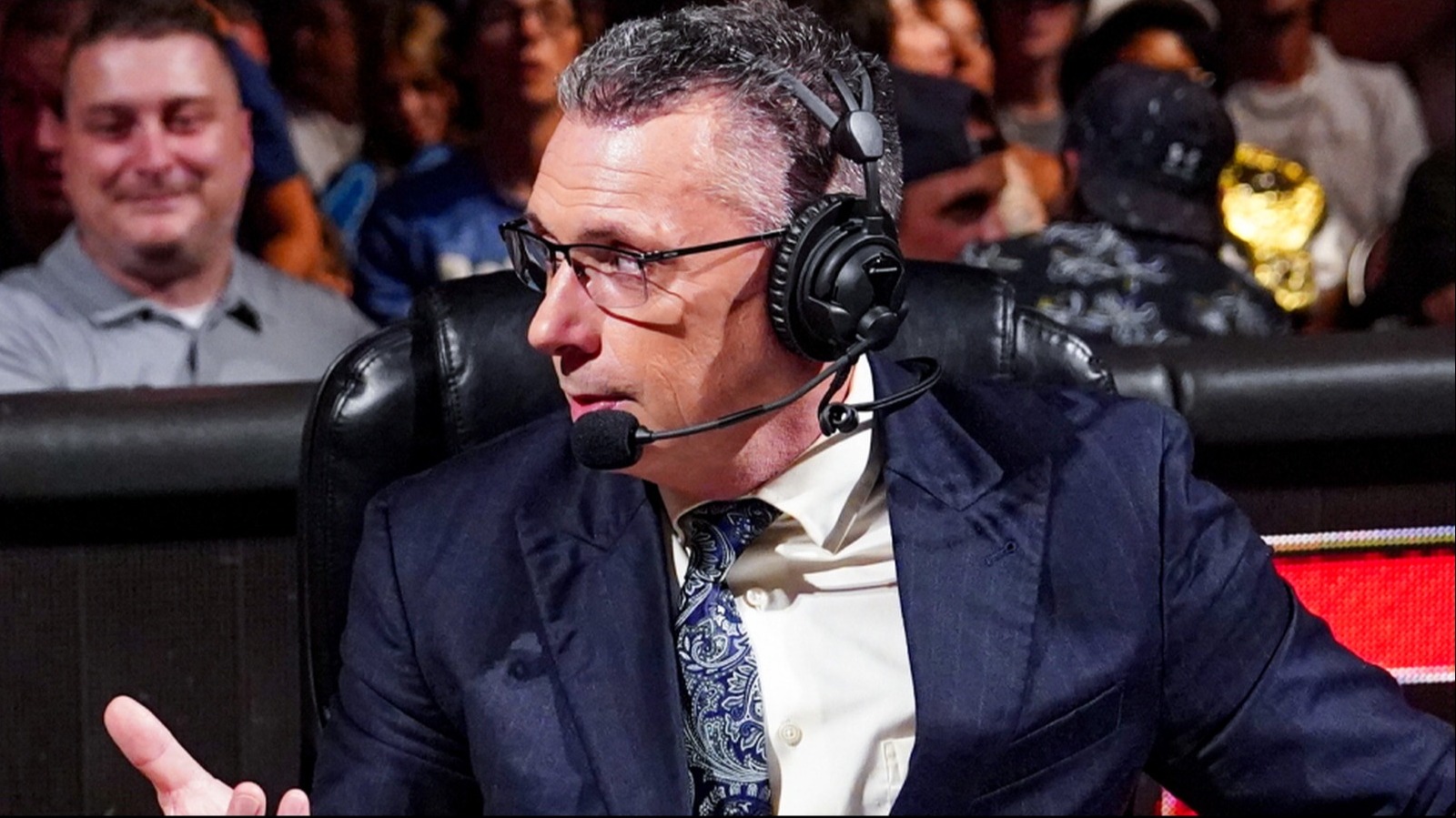
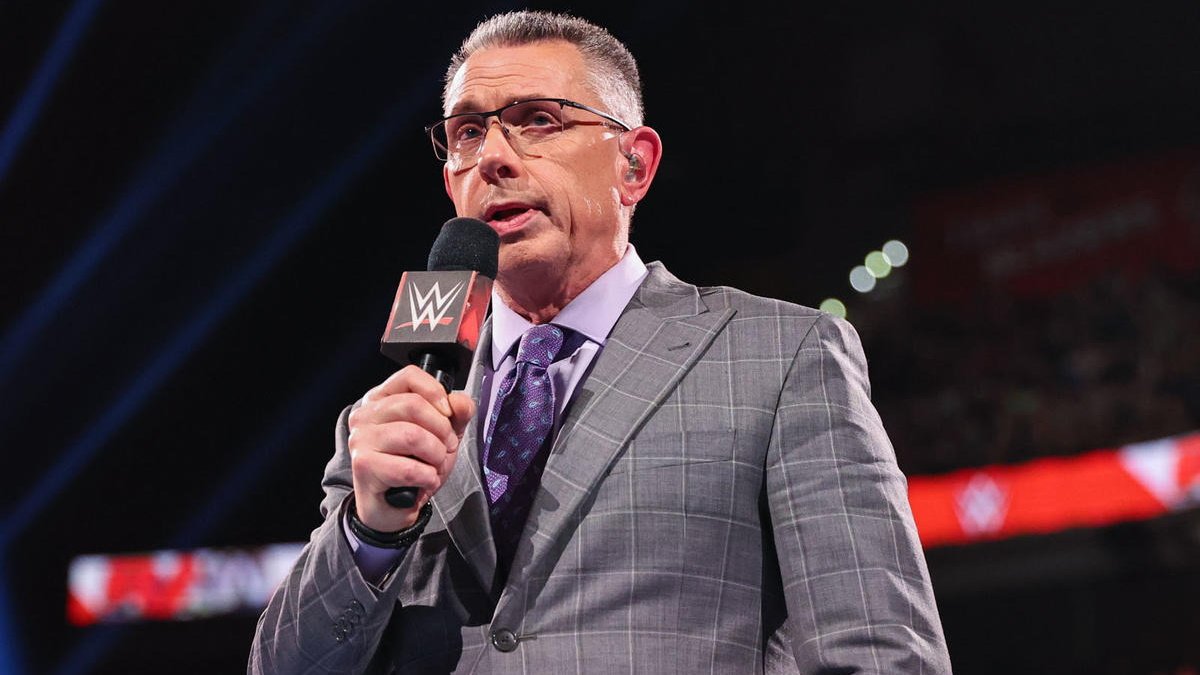
For over two decades, he has been the soundtrack to WWE. He is the tactical pivot of the broadcast. The man tasked with translating in-ring storytelling into digestible television. And right now, he is doing the best work of his career. But it hasn't come without friction.
Let's look at the form guide for WWE's lead voice. Recently, Cole has been aggressively defending his commentary style. He fired back at critics who complain about him repeating plot points during broadcasts. Fans get annoyed. They complain on Reddit. They claim he treats them like they have no attention span.
But Cole's defense is rooted in the harsh reality of modern television metrics. He understands the churn of the viewing audience. People channel surf. They check their phones during rest holds. The repetition is not an insult to your intelligence. It is a tactical anchor. It is a calculated decision to keep the casual viewer tethered to the narrative thread of a mammoth broadcast.
Think of it like a football manager screaming the same structural instruction from the touchline for 90 minutes. It looks redundant to the obsessive fan sitting in the Stretford End, but it is necessary for the system to function on the pitch.
Still, that doesn't mean the system is flawless. Let's be critical here.
The repetition can completely shatter the immersion of a great professional wrestling match. When a technical masterclass is happening in the ring, we do not need to be reminded of a backstage segment from two hours ago. The pacing suffers. Cole occasionally sacrifices the organic rhythm of a bout to serve the master of episodic television structure.
It is a glaring flaw in his game. It is the commentary equivalent of a team stubbornly playing out from the back against a high press when a simple clearance into the channels would do the job. You can see the gears turning in his head when he is forced to pivot from calling a beautifully executed wrist-lock to plugging an upcoming premium live event. It takes you out of the fight.
The Ghost of Main Events Past
But when the lights are brightest, and the corporate mandates fade into the background, Cole’s pure broadcasting instincts usually take over.
The margin for error at WrestleMania is absolute zero. Cole knows this better than anyone walking the halls in Stamford. He recently admitted to lingering embarrassment over his blown call at the end of the historic Sasha Banks versus Bianca Belair main event at WrestleMania 37.
He called a kickout that simply didn't happen.
It was a devastating unforced error in a monumental moment. A split-second misjudgment of the referee's cadence. That is the brutal reality of live sports broadcasting. You do not get a second take. The mistake is immortalized on the WWE Network forever. It is the announcer's equivalent of a goalkeeper letting a backpass roll under his foot in a cup final.
Yet, you have to look at how he responded. He didn't hide from it. Acknowledging that failure openly shows a level of self-awareness that younger broadcasters simply do not possess. It proves he reviews his own tape. He analyzes his own mechanics. He understands that a main event call requires a different rhythm than a mid-card television match. He got caught anticipating rather than reacting.
The Art of Anticipation
And reacting is what allows for absolute brilliance when the script gets thrown out the window.
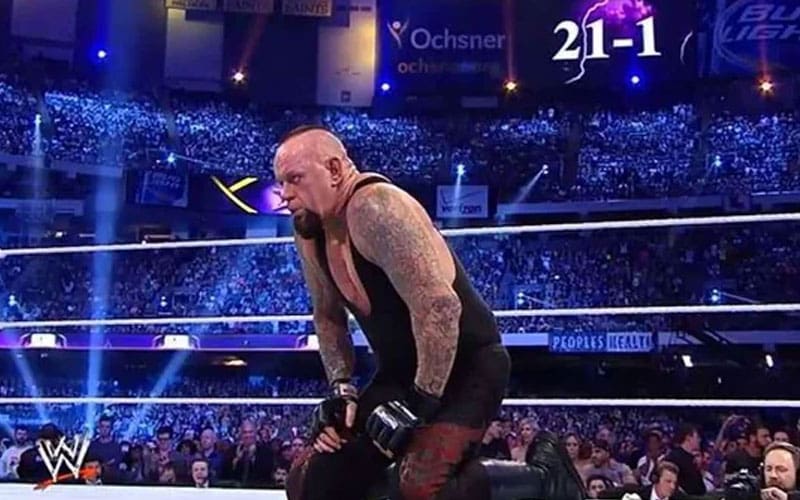
Consider the greatest shock in wrestling history. WrestleMania 30. Brock Lesnar conquers The Undertaker.
Cole recently opened up about how his iconic "The Streak is over" call happened in real time. There was no pre-planned line written on a cue card. No fed line from a producer shouting through the headset. Just pure, unadulterated shock.
He read the room. He felt the air leave the Superdome. And he delivered a line so stark, so devastatingly simple, that it perfectly matched the trauma of the moment. That is world-class anticipation. He didn't try to get himself over with a clever catchphrase. He let the silence breathe, and then he dropped the gavel. That is the exact instinct he will need to rely on next month in Nevada.
The Tactical Setup Across The Aisle
Look at the competition. In exactly 3 days, on March 30, AEW will present Dynasty in Kansas City. Their broadcast team will rely on Excalibur to rapidly call complex holds while Taz provides color commentary. It is a completely different tactical setup.
AEW treats its product like a pure sporting contest with deep move-set analysis. WWE, under Cole's direction, treats it as a sprawling television drama punctuated by violence. Both systems work, but they demand entirely different skill sets from the man wearing the headset. Cole could not do Excalibur's job, but Excalibur would almost certainly drown under the intense, multi-layered producer traffic that Cole navigates every single week.
The WrestleMania 41 Matchups
As we look ahead to April 19 and 20, the tactical matchups for the broadcast booth are fascinating. This is not just another show. This is WrestleMania 41. The card is stacked with emotional landmines.
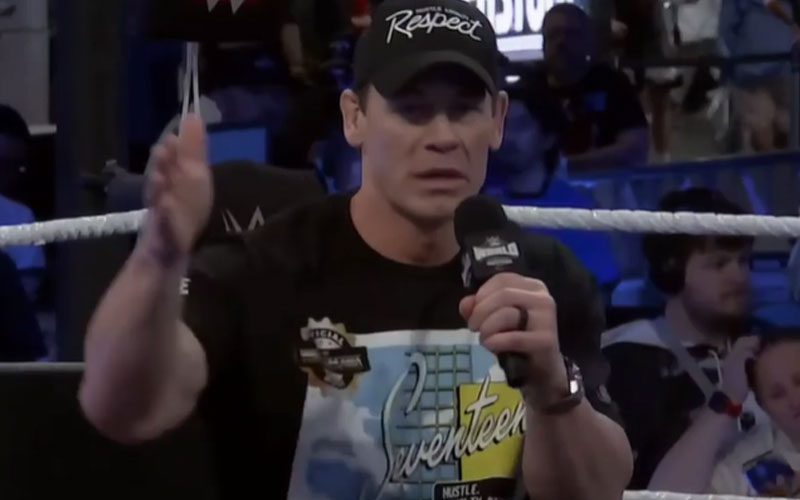
Cole will have to navigate John Cena's farewell match. How do you call the final moments of the greatest career of the modern era without sounding maudlin? He will need to find the balance between reverence and the live sporting action. If Cena is locked in an STF, Cole cannot be eulogizing his career. He has to call the struggle.
Then there is the Cody Rhodes situation. Rhodes is defending the WWE Championship, and the Bloodline is hovering over the title scene like a dark cloud. Roman Reigns is lurking. Cole has spent the last three years mastering the panicked, desperate tone required when the Bloodline interferes. He knows exactly when to raise his pitch when Solo Sikoa appears on the apron. It is a choreographed dance between the wrestlers and the desk.
He will also be calling matches featuring CM Punk. Punk’s matches are gritty, often deliberately paced, and heavily reliant on psychology rather than high spots. Cole will have to adjust his cadence. He cannot call a Punk match the same way he calls a frantic Rey Mysterio sprint. He has to lay out, let the crowd noise carry the story, and only jump in to highlight the damage being done to a specific body part.
His partnership at the desk will be tested under the Las Vegas lights. Corey Graves provides the cynical tactical analysis, constantly questioning the babyface's strategy. Pat McAfee, if he is there, acts as the unhinged emotional barometer, jumping on the desk and screaming. Cole is the metronome keeping them both in time. He has to wrangle McAfee’s chaotic energy while still advancing the storyline points Graves is trying to make. It is an impossible juggling act.
If Cole gets bogged down in reciting corporate buzzwords or upcoming tour dates during these main events, the broadcast will sink. He needs to lean into the big-fight feel. He needs to call it like a high-stakes combat sport. The audience in 2026 is too smart to accept anything less. They want analysis, not just narration. They want to know why a hammerlock is effective in the 20th minute of a match, not just that it is happening.
Prediction Time
This event is going to test every instinct Cole has developed over his marathon run in the chair. I predict we will see him abandon the repetitive crutches completely during the main events. When Cody Rhodes defends the WWE Championship on Night 2, Cole will drop the promotional voice and revert to the urgent, breathless tone that defines his absolute best work.
However, I do foresee a slight stumble early on. The sheer adrenaline of Allegiant Stadium will lead to a rushed call during the opening match of Night 1. He might miscall a transition sequence or stumble over a new tag team's double-team maneuver. But he will recover. He always does.
By the time John Cena walks up that massive entrance ramp for the final time, Cole will deliver the definitive call of the year. He will find the exact right words, not because he wrote them down weeks in advance, but because he will trust the feeling in his gut.
Michael Cole is ready for the pressure. The headset is hot. Let’s see if he can orchestrate the chaos one more time on the grandest stage.
Read Next
- The wrestling power shift is real and WrestleMania 41 will prove it
- Vegas is about to host the most predictable main event in WrestleMania history
- Kit Wilson's celebrity match proves WWE still doesn't get Pretty Deadly
- Corey Graves is teasing an in-ring return and I am completely here for it
- 🏆 WrestleMania 41 — Full Coverage Hub
- 👴 John Cena Retirement Tour 2026