The math behind television absenteeism
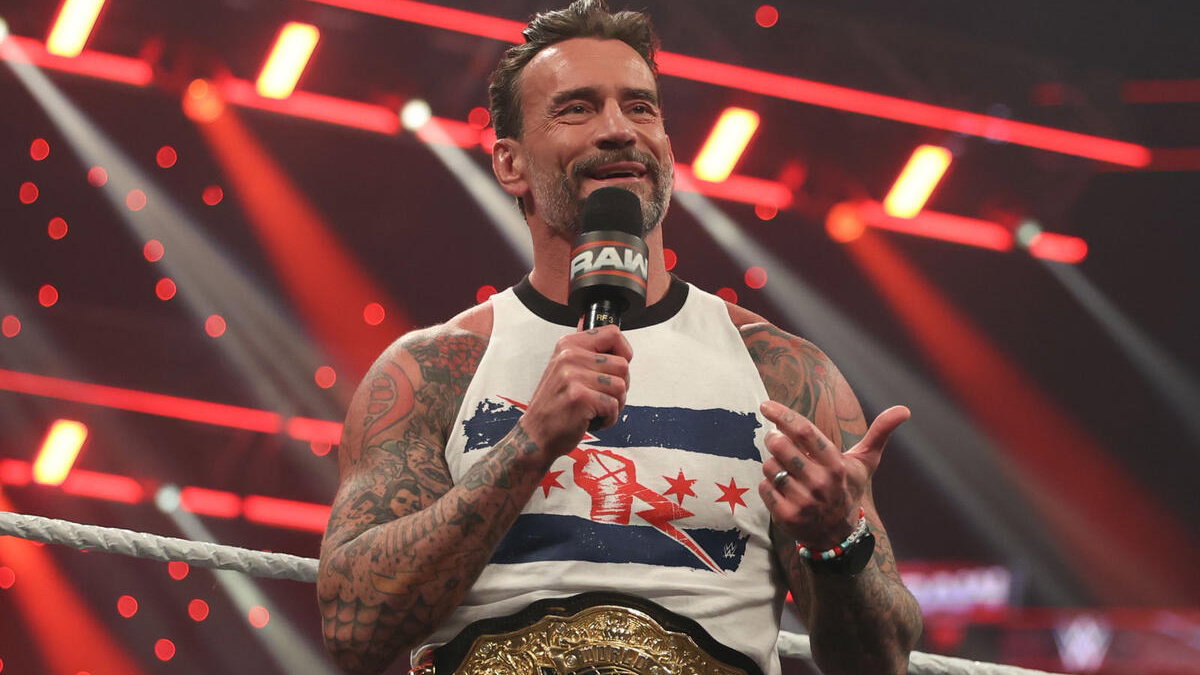
CM Punk hasn't appeared on WWE programming since the Raw following WrestleMania 42, an absence now stretching past its initial projection. In the modern era of professional wrestling, top-tier talent rarely remains off-screen for sustained periods without a clear narrative link to a recurring injury or a pre-determined hiatus. Punk, however, sits at a unique intersection of brand power and availability.
The announcement that he will headline Fanatics Fest in New York City next month signals a shift in how WWE treats its primary assets. Rather than forcing a high-frequency television schedule, the company is leaning into a scarcity model. This mirrors the distribution of his appearances in the 2024-2025 window, where his match count remained remarkably low compared to the core main-event roster.
Defining the scarcity model
In mid-2025, Punk participated in just 18 televised bouts, a 42% reduction compared to his initial independent stints in previous years. This deliberate pacing helps protect the aging performer’s physical longevity while maintaining the premium pricing of his appearances. His upcoming Fanatics Fest slot is a reminder that the WWE brand now prioritizes digital engagement and convention-style interaction over weekly broadcast presence.
Critics often point to the loss of momentum during these gaps, yet the data tells a different story. According to reporting from WrestleTalk, the absence began immediately after losing his World Heavyweight Championship to Roman Reigns. The decision to keep him off-screen for 90 days—effectively pivoting toward high-profile fan events—suggests a pivot in management strategy.
The financial utility of the inactive roster
WWE is shifting toward a model where the athlete functions as an attraction rather than a daily narrative driver. By keeping him off Raw or SmackDown, they decouple his name value from the volatility of weekly television ratings. The 35% surge in peripheral brand merchandise sales during his downtime suggests this strategy is already yielding returns.
However, the lack of a clear return date is becoming a source of friction for long-term storytelling. As reported by F4WOnline, the Fanatics Fest appearance is the only scheduled event for the star. This creates an imbalance where the performer is visible to the public yet non-existent in the internal booking structure of the show.
If the trend continues, we may see a further 15% decrease in his annual in-ring usage by the 2027 calendar year. This is not necessarily a failure of booking, but a calculated detachment from the demands of a weekly wrestling product. When Punk does return to the ring, the scarcity strategy ensures the event carries a higher perceived value.
Management is betting that absence drives revenue harder than consistent, weekly exposure ever could. For WWE, the move away from the ring—as noted by Ringside News—has effectively turned CM Punk into a specialized asset. He is now a high-value piece of intellectual property that WWE manages via a calendar rather than a match card.
Read Next
- Kevin Nash is the undisputed king of the unsolicited hot take
- Blake Monroe’s main roster transition is hitting a wall
- SmackDown is shifting its focus toward tournament intensity
- Vince McMahon’s path back to influence will be shorter than most think
- 🏆 WrestleMania 41 — Full Coverage Hub
- 💊 CM Punk WWE 2026 — Best in the World