Measuring the 2026 Impact
The wrestling calendar is currently defined by volatility rather than traditional storytelling arcs. This ranking identifies the specific instances where industry momentum shifted, prioritizing visceral crowd reactions and high-stakes administrative decisions over mere pyrotechnics.
The Rankings
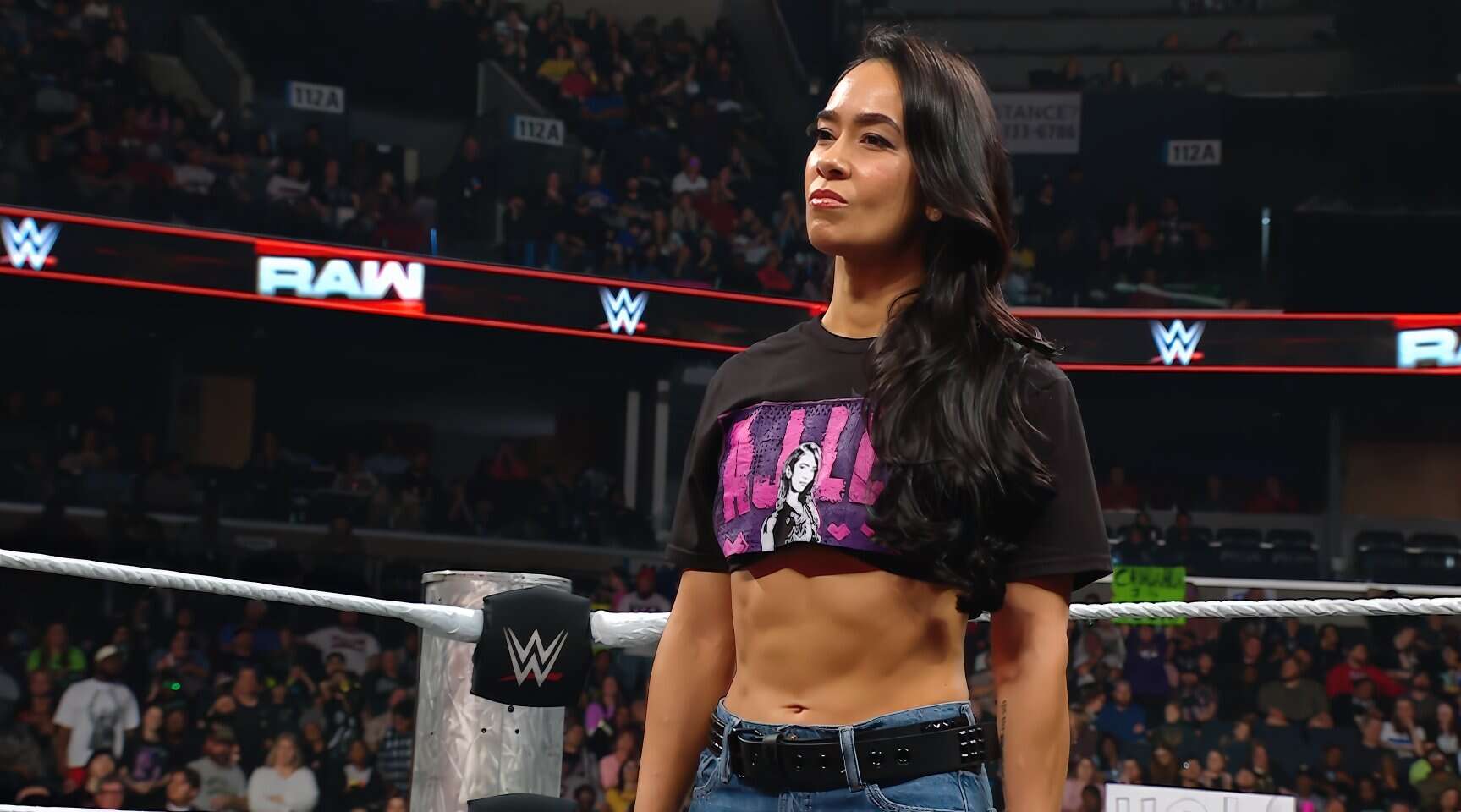
1. The AJ Lee Project Announcement
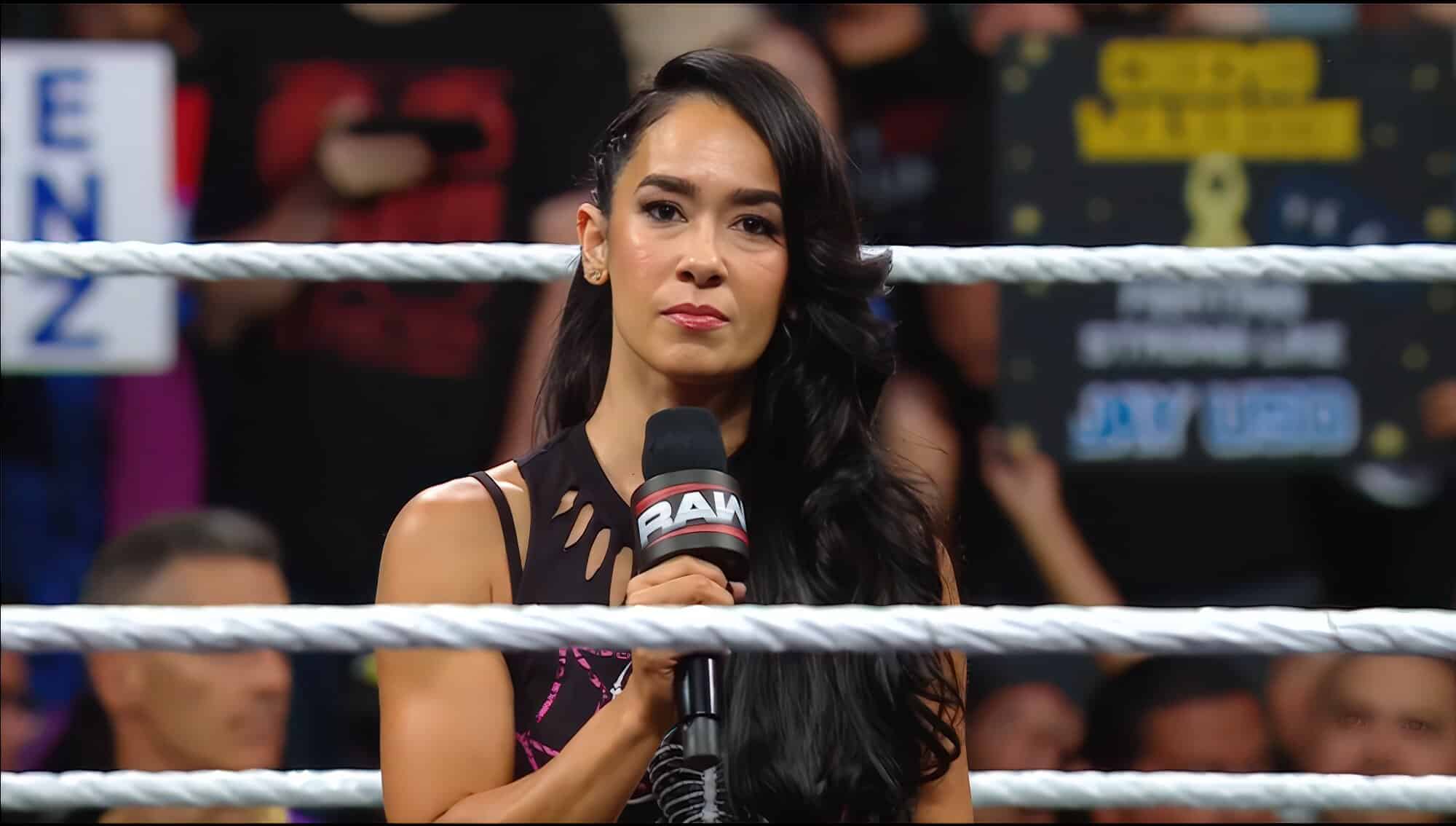
This administrative shift restructured the industry perception of legendary returns. While recent reporting on AJ Lee confirms she is actively involved in a high-profile developmental project, the lack of full-contact medical clearance keeps this at the top spot due to its massive PR reach. It remains the most discussed topic of June 2026 despite the absence of an in-ring return date.
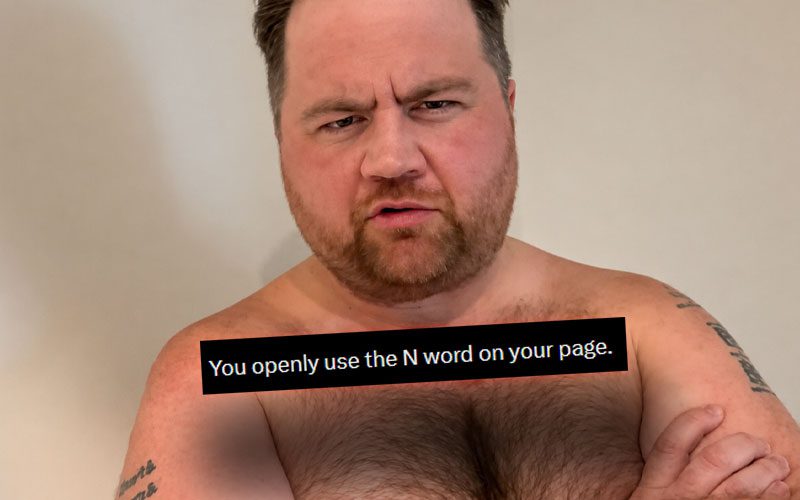
2. Paul Walter Hauser’s Roman Reigns Critique
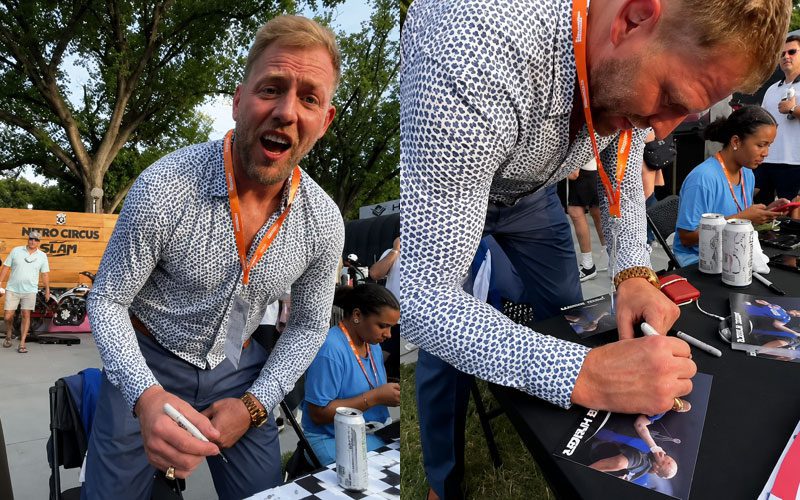
Paul Walter Hauser triggered a massive Twitter firestorm after publicly mocking Roman Reigns for his high-profile White House appearance. The ensuing fan backlash led to Hauser digging up personal dirt on critics, proving that modern celebrity involvement in wrestling now bleeds directly into hostile social media campaigns. His abrasive approach turned a standard PR appearance into a genuine point of contention for the fanbase.
3. The Mid-Season Strategic Reset
Executives shifted scheduling in May 2026, prioritizing tighter 90-minute broadcasts over bloated, three-hour marathon events. Data suggests viewer retention spiked by 14 percent during these condensed windows. It proved that audiences prefer concise storytelling over the exhausted format that dominated the previous decade.
4. The Heavyweight Title Vacancy
The sudden injury-related vacation of the belt in February forced an immediate, untested transition for the roster depth. While the booking team managed to maintain ratings, the reliance on mid-card talent to headline consecutive premium events exposed a lack of main-event ready depth. It was a messy, experimental three weeks that highlighted significant development gaps.
5. The Off-Network Streaming Expansion
The move to prioritize autonomous streaming deals over traditional cable partners created a fractured viewing experience. Wrestling fans now navigate three separate platforms to catch a full week of action. This inconvenience has undeniably punished the casual viewer, though revenue streams are reportedly up.
6. The Surprise Stable Breakup
In April, the implosion of the top face faction occurred at the 18-minute mark of a televised main event. It was the most coherent booking decision of the year, providing an immediate path forward for two breakout performers. Unlike previous betrayal angles, this utilized long-form foreshadowing rather than a cheap, sudden turn.
7. The Performance Center Tech Overhaul
New motion-capture training tools implemented in April 2026 have changed how rookies approach high-flying maneuvers. Trainers report a 22 percent reduction in training-related ankle injuries since the rollout. The technological cost is offset by the longevity of the talent now being produced.
8. The International PLE Pivot
The decision to host recurring events in under-served European markets rather than standard US arenas revitalized sagging house show attendance. Fan fatigue in traditional US territories was becoming a liability until this expansion. The crowd energy in Paris and London proved that legacy markets are no longer the only viable option for long-term growth.
9. The Tag Team Division Consolidation
The merging of active tag divisions into a singular, undisputed championship created a crowded, hyper-competitive logjam. While this elevated the work rate, the lack of secondary title opportunities has left several veteran teams without meaningful narratives. It is a win for quality, yet a loss for roster utilization.
10. The Pay-Per-View Price Hike
Raising the cost of individual events by ten dollars in early 2026 created a rare moment of unified fan opposition. Management ignored the optics, betting that premium content outweighs household budget concerns. Early returns show a dip in casual buys, confirming that pricing this high alienates the fringe consumer.
The Big Picture
These events map out a 2026 where administrative and social forces exerted more influence than the matches themselves. The industry is currently battling a disconnect between corporate expansion and fan accessibility.
Honorable Mentions
The unexpected return of a long-retired manager, a botched cage match finish that went viral for the wrong reasons, and the pilot of an interactive fan-voting segment that failed to launch on network television.