The End of an Era and the Physical Toll
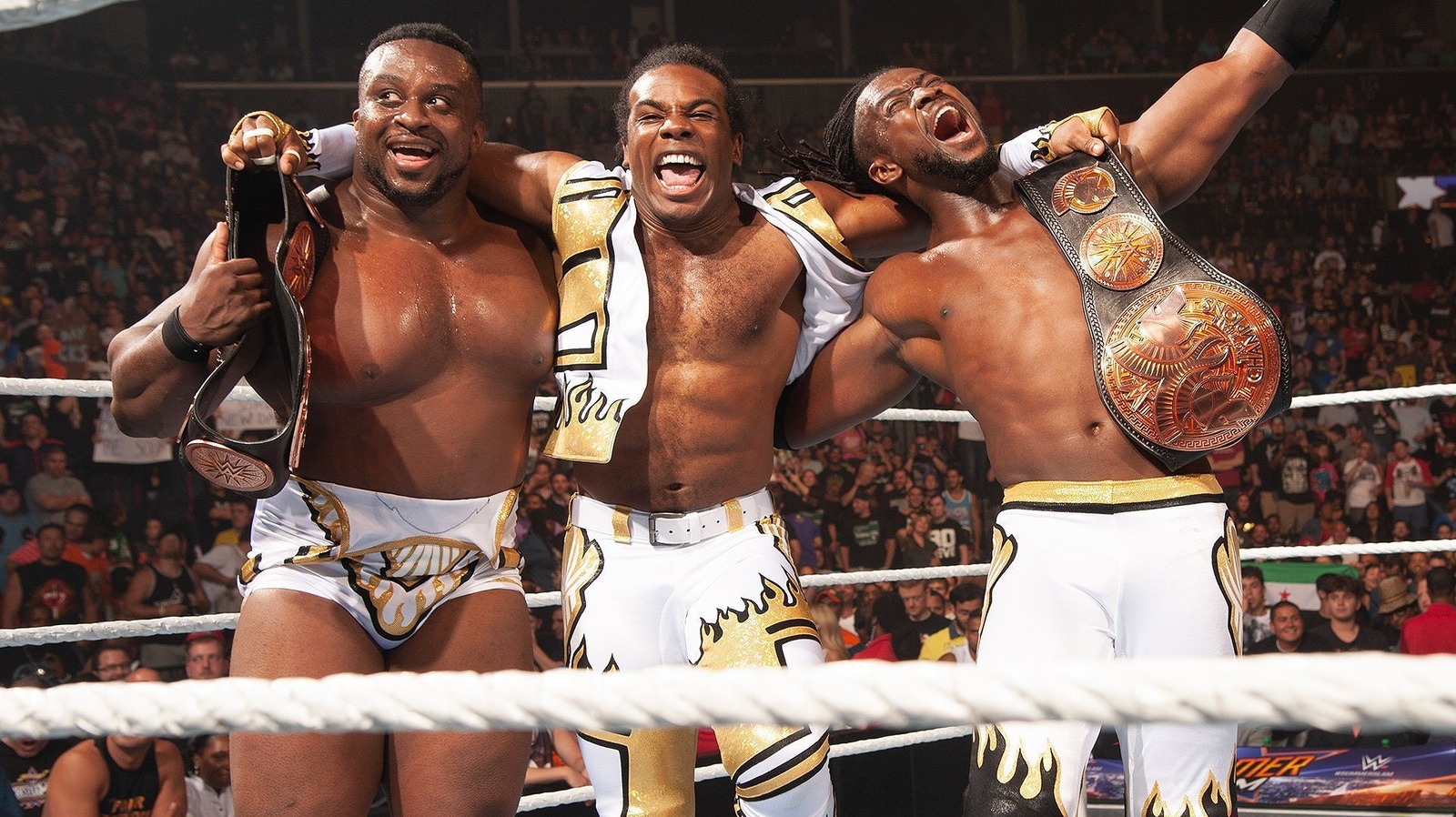
The news of Kofi Kingston and Xavier Woods parting ways with WWE is a massive shift in professional wrestling. The New Day has been a fixture of WWE television for over a decade. But from a sports medicine perspective, this exit is more than just a contract dispute. It is a necessary pivot for two veterans with significant mileage on their bodies.
WWE's schedule has always been brutal. Even with recent reductions in house shows under the TKO banner, the physical demands of working for the largest wrestling promotion are immense. The travel schedule alone wreaks havoc on recovery systems.
Wrestlers are responsible for their own rental cars and late-night drives between cities, often surviving on gas station food and four hours of sleep. This chronic sleep deprivation elevates cortisol levels and prevents the body from entering the deep REM sleep required for tissue repair. For athletes in their late thirties and early forties, recovery is the name of the game.
Kingston debuted on WWE's main roster in 2008. That is eighteen years of taking flat back bumps. Woods has been taking those same bumps for over a decade. The industry is watching closely because this departure signals a shift in how veteran talent manages physical decline.
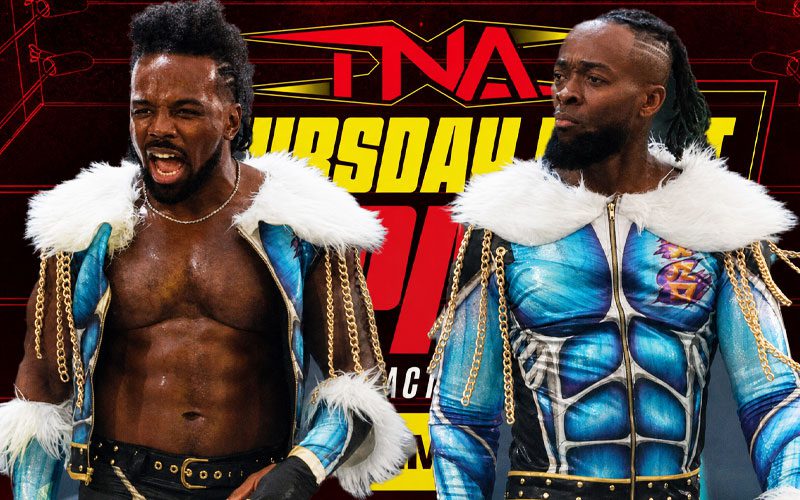
TNA has just entered the conversation, and for good reason. TNA offers a lighter taping schedule that allows for proper muscular recovery.
The Medical Reality of Kofi Kingston's Mileage
Kofi Kingston is 42 years old. His offensive moveset relies heavily on explosive leaping ability, lateral quickness, and high-impact landings. The Trouble in Paradise requires a spinning leap that places immense torque on the hips and knees upon landing.
The SOS requires him to support his own weight and his opponent's weight while rotating in mid-air. Over an 18-year career, repetitive stress injuries compound. Cartilage in the knees begins to thin out. The menisci, the shock absorbers of the knee, become frayed.
The discs in the lower lumbar spine compress, leading to sciatica and nerve pain. Kingston has suffered ankle injuries and jaw issues during his run. When you add the cumulative effect of thousands of strikes and grappling exchanges, the body essentially becomes a roadmap of scar tissue.
Every time a high-flyer lands on the mat, the kinetic energy reverberates through the joints. The human body is simply not designed to absorb that punishment three nights a week for nearly two decades.
Transitioning to TNA would drastically reduce this repetitive stress. TNA typically tapes several weeks of television over a single weekend. This means a wrestler might work two or three matches in a 48-hour period, followed by three weeks of rest.
In WWE, you are working Friday, Saturday, Sunday, and flying for media on Monday. The difference in systemic inflammation between those schedules is massive. TNA gives Kingston the chance to preserve his joints and extend his in-ring career.
Xavier Woods and the Shadow of the Achilles
Xavier Woods has had his own battles with the physical realities of professional wrestling. In 2019, Woods suffered a devastating Achilles tendon tear during a live event. The Achilles tendon is the thickest tendon in the human body.
Tearing it is catastrophic for an athlete whose style relies on quick directional changes and speed. Rehabilitating an Achilles tear takes a year, and the involved leg is rarely ever the same. Scar tissue alters the biomechanics of the ankle joint.
While Woods returned and performed at a high level, compensatory mechanisms often lead to issues up the kinetic chain. This manifests as knee pain, hip imbalances, and lower back stiffness. Working the WWE schedule with a surgically repaired Achilles is a constant battle against swelling and tendinitis.
Moving away from WWE's grueling travel schedule is a smart medical decision. TNA's setup reduces the risk of sudden, catastrophic re-injury that comes with fatigue. Fatigue is the number one predictor of soft tissue injuries in sports.
When muscles are exhausted, they fail to absorb force properly. They end up transferring that force directly to the ligaments. By working fewer dates, Woods can ensure his muscles are fully recovered before stepping into the ring.
The Big E Context and the Reality of Risk
You cannot talk about the physical reality of The New Day without discussing Big E. In March 2022, Big E suffered a broken neck—specifically fractures to his C1 and C6 vertebrae—after taking an overhead belly-to-belly suplex on the floor.
It was a terrifying moment that nearly cost him his life, and it serves as a grim reminder of the sport's inherent dangers. That incident undoubtedly changed the calculus for Kingston and Woods.
When you watch your best friend and stablemate suffer a career-ending injury right in front of you, the risks of the business become painfully real. The psychological toll of stepping back into the ring after witnessing such trauma cannot be understated.
The margin for error in professional wrestling is zero. One bad landing, one slip on a sweaty mat, and it is over.
Leaving WWE for a promotion with a lighter schedule like TNA is a form of risk mitigation. It allows them to control their environment more effectively. They can plan their high-spots, rest adequately, and minimize the chances of a fatigue-induced mistake. It is a calculated decision from two men who have already achieved everything there is to achieve in WWE.
Strategic Implications for TNA and the Industry
TNA entering the conversation is a massive strategic play. For years, TNA has built a reputation as a rehab center for veteran talent. They offer a financially viable alternative with a physically forgiving schedule.
If TNA manages to secure Kingston and Woods, it immediately elevates their tag team division. It gives TNA a marquee act that brings instant mainstream credibility. The potential dream matches are obvious. Putting The New Day against established TNA stars or rising independent talents provides a massive boost to the product.
But there are negatives to this potential move. TNA’s production value and audience reach are a fraction of WWE's. Kingston and Woods are used to performing in front of 10,000 fans in sold-out arenas. TNA often runs smaller venues, sometimes with fewer than 1,000 fans.
The drop in adrenaline and crowd energy can be difficult for veterans to adjust to. Sometimes, performing in a quieter building makes the bumps hurt more.
Furthermore, TNA's roster features young, hungry talent who work a very fast pace. If Kingston and Woods are brought in, they will be expected to keep up with that pace. Trying to match the speed of a 25-year-old can be a recipe for pulled hamstrings and torn groins for a veteran. TNA management will need to book them carefully to protect them physically.
The Verdict on Longevity
At the end of the day, professional wrestlers have a finite bump card. Every match takes a little bit of money out of the physical bank account. Kingston and Woods have made massive withdrawals over the last decade. Parting ways with WWE is the first step in restructuring that debt.
Whether they sign with TNA or choose to take independent bookings on their own terms, the reduction in travel and match frequency will pay immediate dividends for their physical health. It might not be an official injury update, but this move is the ultimate preventative medical measure. They are choosing to walk away before their bodies make the decision for them.
The industry will keep watching, but the smart money says Kingston and Woods are about to enter a phase of their careers where quality of life takes precedence over main event status. They have secured their financial futures, cemented their Hall of Fame legacies, and won multiple championships.
There is nothing left for them to prove inside a WWE ring. In a business with a long history of athletes pushing themselves until they physically break down, that is the best news we could ask for.