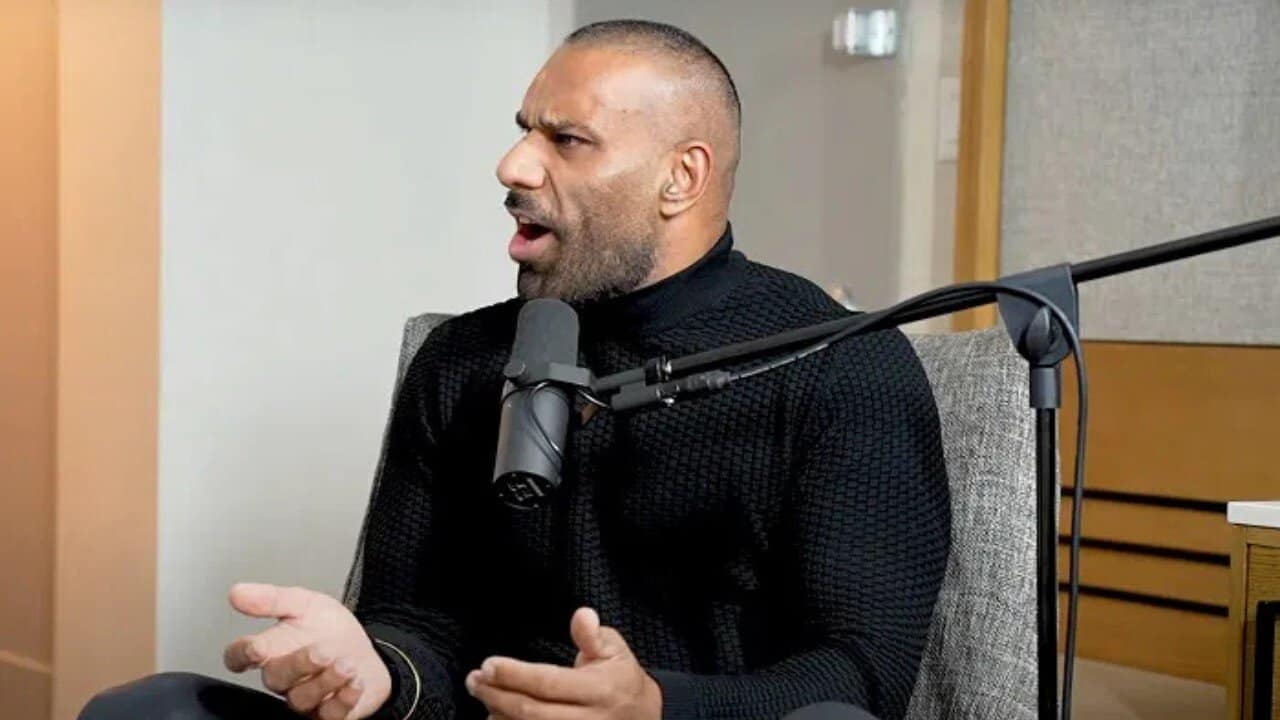
Why Christopher Daniels chose Hangman Page for his final bow
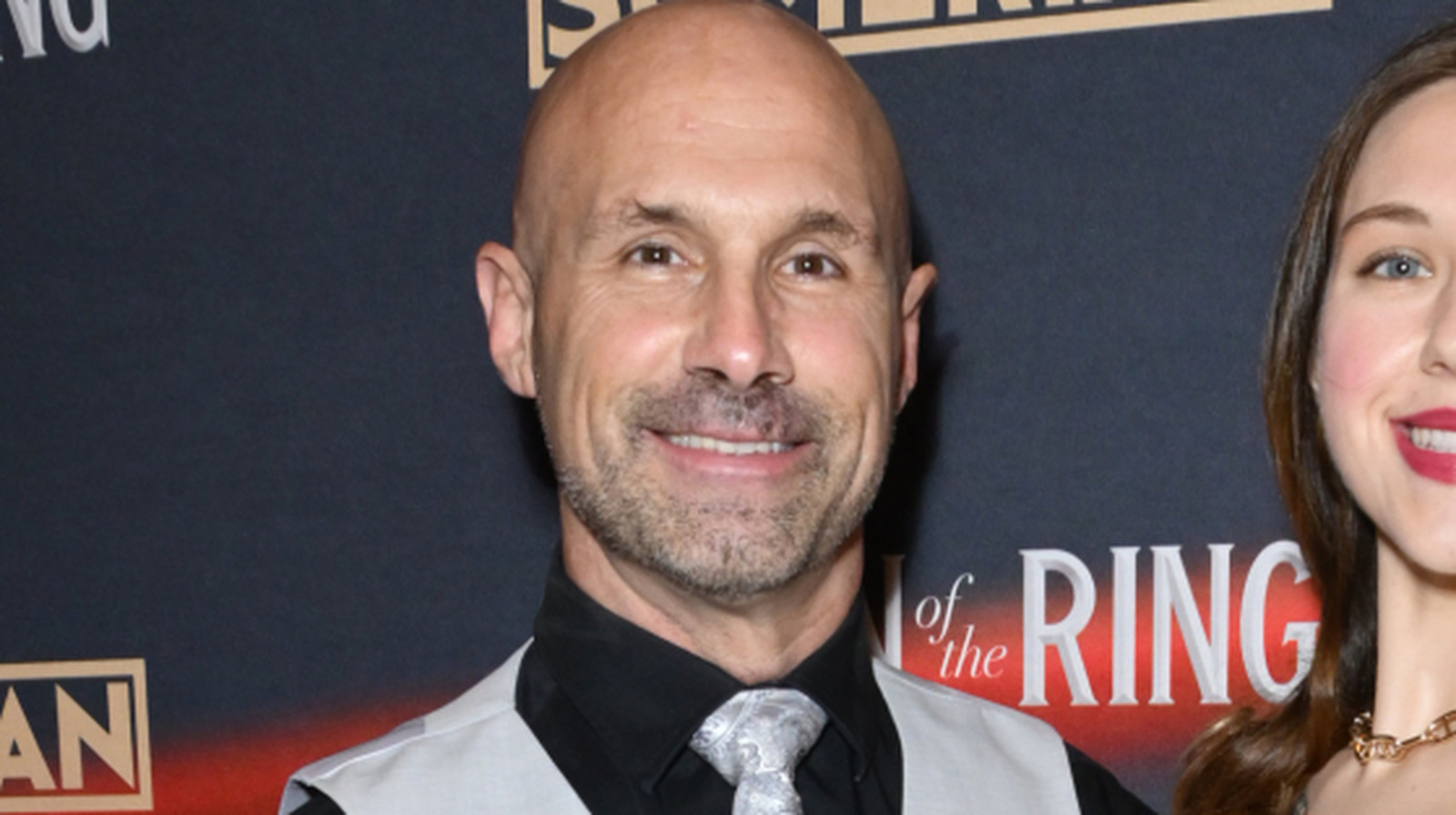
The closing act for the Fallen Angel
Professional wrestling is rarely kind to its architects. Most careers end in a quiet release or a lackluster stint on a secondary show, yet Christopher Daniels chose a deliberate, narrative-driven exit. By selecting Hangman Adam Page as the final opponent of his in-ring tenure, Daniels signaled a preference for emotional continuity over spectacle.
This decision centers on the intersection of two distinct eras of independent wrestling. Daniels represents the foundational technical rigor of the mid-2000s, while Page embodies the modern evolution of the archetypal babyface.
Tactical friction and shared history
When analyzing the pairing, one must look at the stylistic juxtaposition. Daniels relies on precise, calculated maneuvers—the Arabian Moonsault and the inverted DDT remain his primary signatures. Page, conversely, operates with a higher velocity, favoring heavy impact strikes and short-burst explosions like the Buckshot Lariat.
Mixing these approaches requires a delicate balance of pace. Daniels needed an opponent who could process his complex sequences without relying on modern, high-risk flurries that lack grounding. Throughout the match structure, the spacing was tight, rarely allowing for the aimless wandering that plagues too many contemporary main events.
The psychology of the handover
Daniels operated with a specific intent: to validate the legitimacy of the next generation. By pitting his seasoned, cerebral style against the raw, kinetic energy of Page, he created a clear contrast in professional maturity. It is a rare acknowledgment that the game has moved forward, yet requires the foundational lessons of his own generation to succeed.
However, the booking choice was not without risks. Using an established veteran to put over a younger talent is a standard trope, but the execution often feels forced. In this case, the efficiency of the finish at the 18-minute mark prevented the narrative from dragging. The clean execution of the closing sequence avoided the common pitfall of over-complicating a final beat.
The missed opportunities of the final act
Critique is necessary, even for a well-conceived farewell. At times, the match felt inhibited by the weight of the occasion. Both men seemed hyper-aware of the symbolic nature of the contest, leading to a slight dip in the natural aggression expected during a high-stakes encounter. A few transitions felt overly choreographed, missing the rugged unpredictability that defined Daniels’ earlier run in the indies.
The pacing, while disciplined, lacked the erratic brilliance that makes wrestling resonate in the moment rather than in retrospect. When Daniels transitioned into his final sequence, the momentum felt slightly artificial, lacking the desperate scramble for victory seen in previous, more competitive scraps on his record.
Ultimately, the choice of Page was a bet on legacy. Daniels trusts that his technical proficiency will leave a lasting mark, not on the record books, but on the wrestlers who continue the work. If the goal was to secure a final moment of respect, he succeeded, though he left a portion of his sharper, more aggressive potential on the canvas.
Cold Steel 36 Inch Foam Championship Belt
Affordable championship gold for the living room champion.
More Coverage

WWE’s Saturday Night strategy needs a rethink
6 hours ago
Strategy gaps heading into a triple-title AEW Collision
7 hours ago
G1 Climax 36 is already testing the limits of New Japan's depth
8 hours ago
Roman Reigns and the lonely reality of the Tribal Chief era
9 hours ago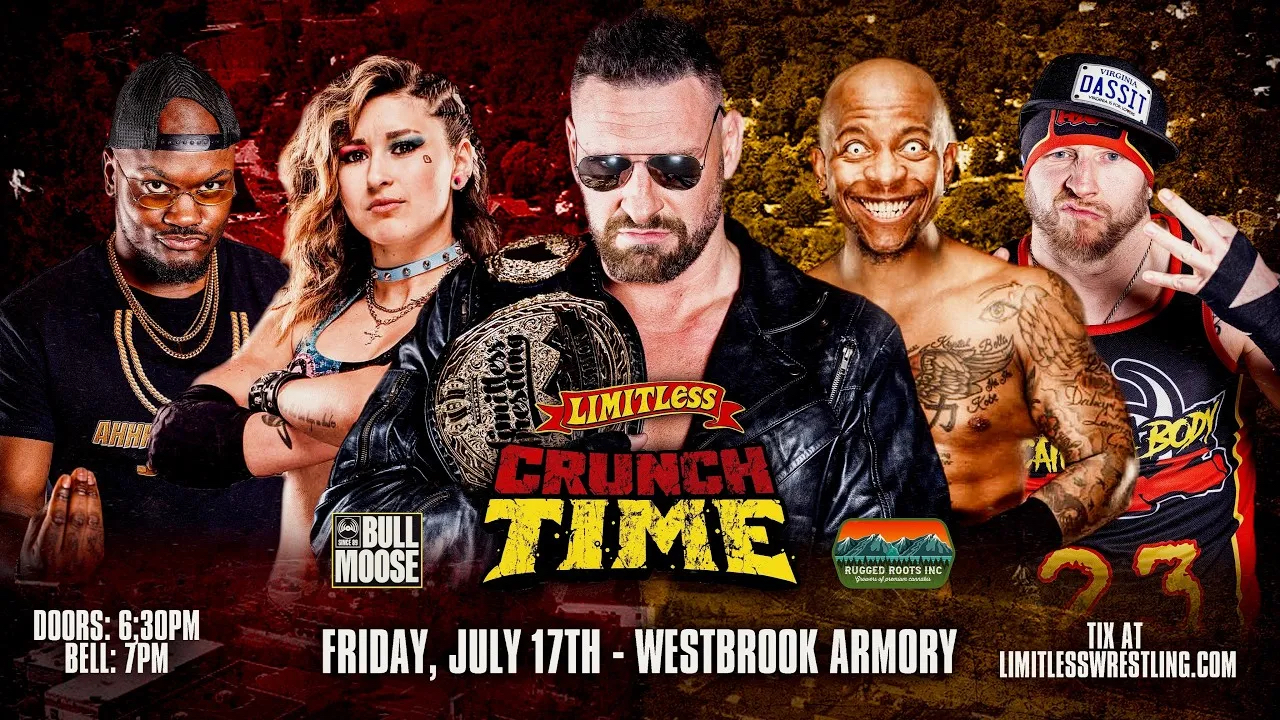
Westbrook Armory turned into a pressure cooker for Crunch Time
9 hours ago
Saturday Night's Main Event returns to MSG and the stakes are real
12 hours agoMore Analysis
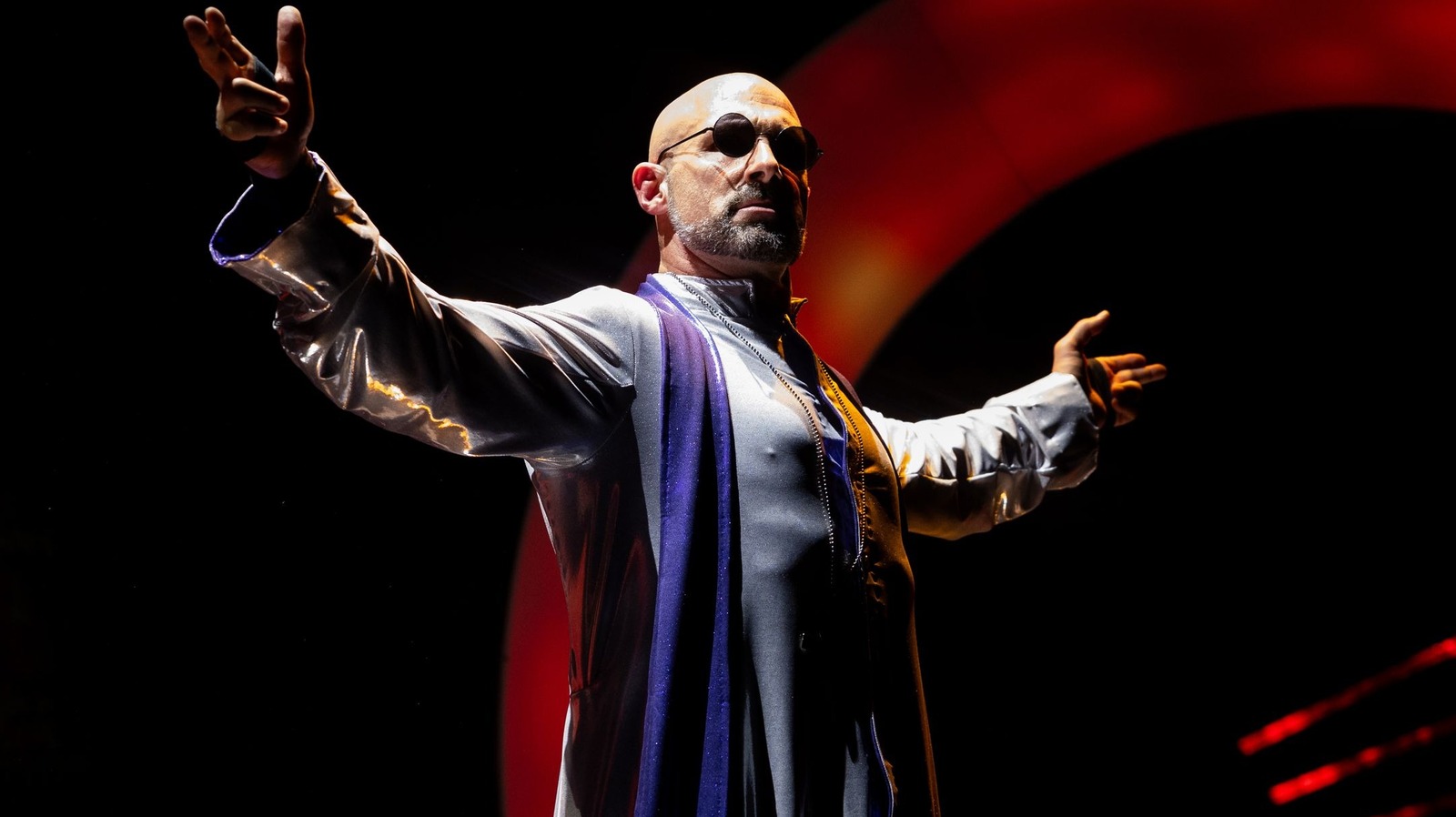
The math behind Christopher Daniels' closing chapter in AEW
1 month ago
Why the AEW locker room needs more of the 2018 All In energy
1 month, 2 weeks ago
AEW is betting the farm on the youth movement
1 month, 2 weeks ago
Hangman Page is the tragic hero AEW needed at Revolution
3 months, 4 weeks agoSwerve vs. Hangman: A Battle for AEW's Soul at Double or Nothing
2 months ago