A brutal reality check
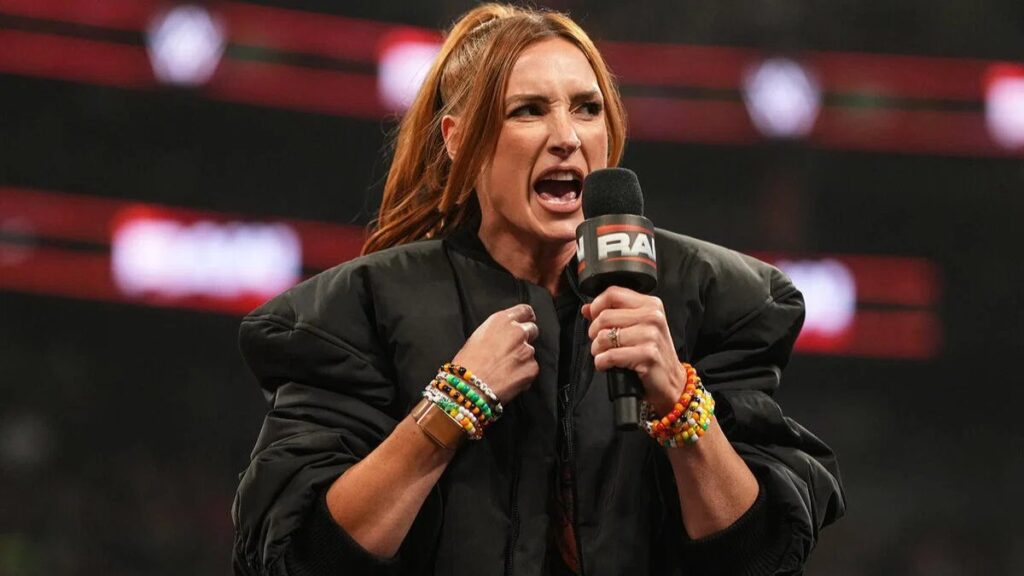
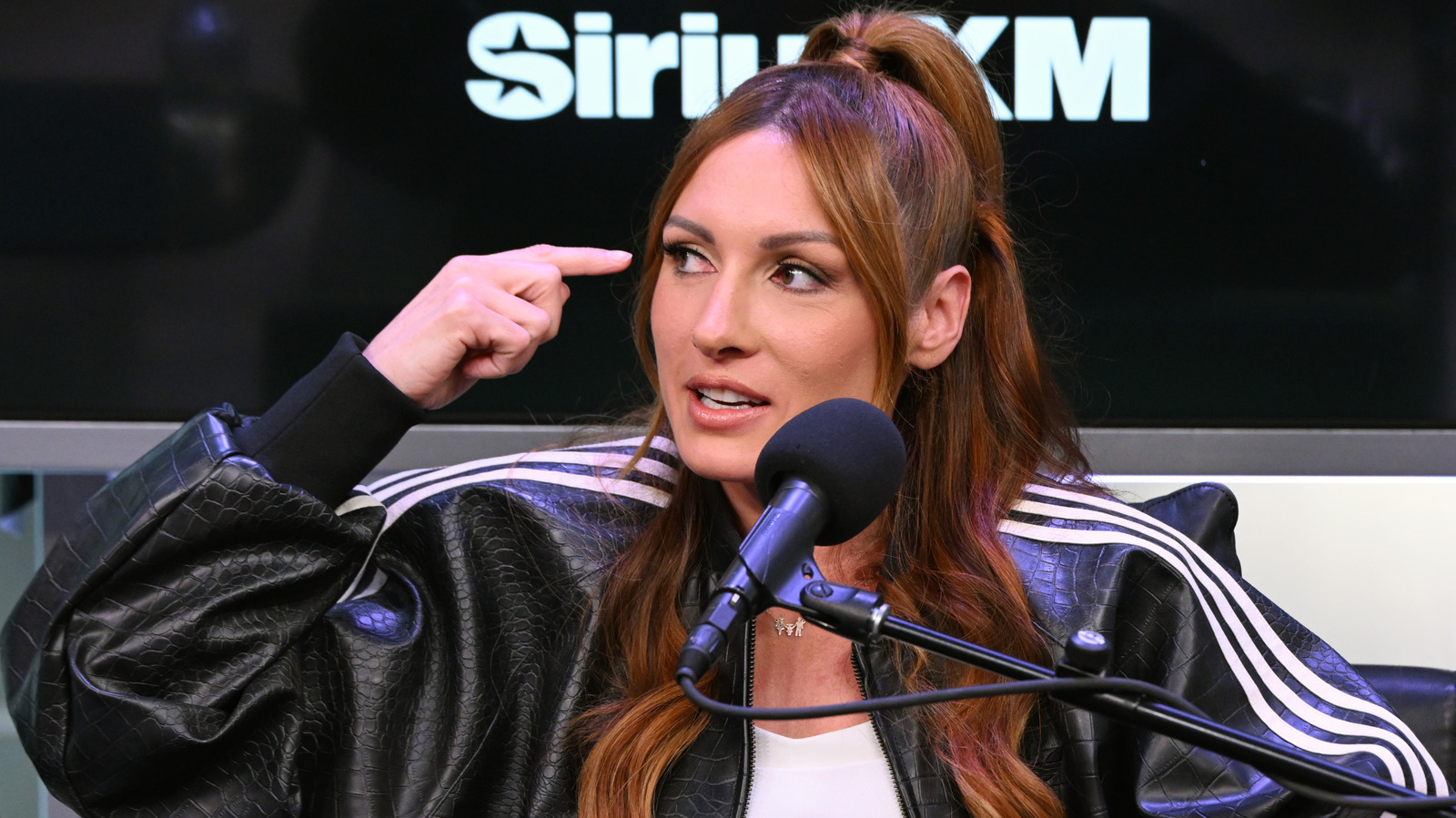
Becky Lynch recently sat down on the Cheap Heat podcast and said the quiet part out loud. She openly acknowledged that WWE’s top tier is nearing its career endgame. It is a stark observation from someone inside the locker room, but she is entirely correct.
Look at the top of the card as we sit here on March 28, 2026. We are exactly 22 days out from WrestleMania 41 Night 1 in Las Vegas. The people carrying the company are largely the same people who were carrying it a decade ago. The physical toll is undeniable.
This isn't about passion fading. It is about simple biology and the compounding effects of hundreds of bumps.
The medical reality of the main event
Let's look at the actual form guide and physical status of the veteran core. Seth Rollins has spent the last three years held together by kinesiology tape and sheer willpower. His lower back issues dictate the pacing of his matches. You can see it clearly in any bout that stretches past the 15-minute mark.
Roman Reigns operates on a highly protected, limited schedule designed specifically to preserve his body. His deliberate, dialogue-heavy match style is brilliant, but it is also a survival mechanism. He takes far fewer flat back bumps than he did during the Shield era.
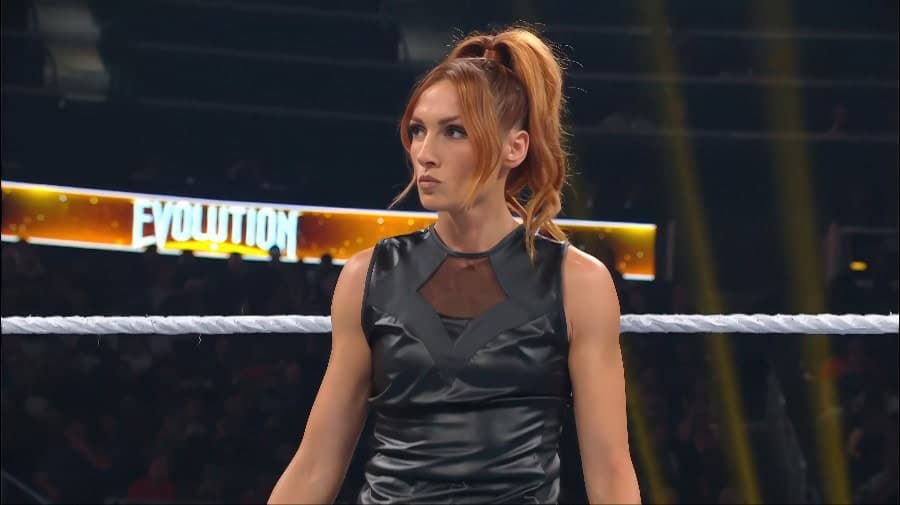
Lynch herself has taken more time off recently to heal up. Charlotte Flair has suffered significant leg injuries that inevitably alter her athletic ceiling. These performers dragged the company out of the murky late-Vince McMahon era and into this current boom period under Triple H. But they are entering the sunset phase of their athletic primes.
The booking paralysis
This generational shift exposes the biggest flaw in Triple H's creative direction. His booking philosophy relies entirely on established stars holding championships for agonizingly long periods. This deserves heavy criticism.
By prioritizing 400-day title reigns for veterans, the creative team has actively suffocated the next generation. Fans are conditioned to see anyone outside the top five as midcarders. You cannot build a new era when the old era refuses to lose cleanly in the center of the ring.
The midcard titles should be the testing ground for the future. Instead, they are often held hostage by veterans who don't need them, or used as props in endless, repetitive feuds. This static booking prevents true upward mobility.
The women's division transition
The tactical differences between the generations are stark. Look at the women's division form guide. Tiffany Stratton is clearly positioned as the next breakout star. She has the athletic pedigree and a terrifying level of body control.
But Stratton frequently bumps her head against the glass ceiling of the Four Horsewomen. She relies heavily on her gymnastics background. The Prettiest Moonsault Ever is a spectacular visual, but veteran opponents know exactly how to scout it.
Stratton needs to demonstrate a vicious streak. She needs to show she can work over a targeted body part, grind down an opponent, and win ugly. That is the tactical difference between a midcard highlight reel and a main event champion. The veterans know how to milk a rest hold for maximum heat. The rookies still want to sprint.
The Bron Breakker dilemma
On the men's side, Bron Breakker is the obvious successor. He hits the ropes harder than anyone since Goldberg. He possesses a frightening level of explosion.
Yet, his path has been paved with odd creative detours. If Breakker faces a veteran at Allegiant Stadium, he cannot afford to get sucked into a slow, plodding narrative. His match psychology must be violent and immediate.
Veterans like Reigns and Rollins rely on heavy pacing, long rest holds, and dramatic near-falls built on years of established finishing sequences. A Reigns match is a psychological thriller. A Breakker match is a car crash. If Breakker lets a veteran dictate the tempo, he loses his primary weapon.
The CM Punk factor
CM Punk's involvement in WrestleMania 41 highlights this generational tension perfectly. Punk is gearing up for a major match, likely on Night 1. He is a brilliant storyteller and arguably the sharpest mind for match psychology on the roster.
But he is also in his late forties and highly prone to injury. Relying on him as a marquee draw is a short-term band-aid. His matches are meticulously planned to hide his declining athletic ability. He relies on perfectly timed counters and crowd manipulation rather than pure speed.
If Punk faces a younger, faster opponent, the clash of styles will be jarring. The younger talent must adapt to Punk's deliberate pacing, or the match will collapse into a series of awkward exchanges. Punk cannot work at the speed of the current NXT graduates, meaning they must slow down for him. This dynamic actively suppresses the explosive style that made those younger stars popular in the first place.
The Trick Williams experiment
Trick Williams is the ultimate test case for this regime's ability to build a star from scratch. His entrance alone guarantees a massive crowd reaction. But look closely at his footwork and his transition between sequences. There are still glaring gaps in his ring generalship.
When a match breaks down or the crowd dies, veterans like Rollins know exactly how to buy time and reset the emotional stakes. Williams does not have that instinct yet. If he is thrust into a high-stakes match at WrestleMania 41, his opponent will have to carry the structural load of the bout. That is a dangerous vulnerability on the biggest stage of the year.
The tactical clash at Allegiant Stadium
Looking ahead to April 19 and 20. If Cody Rhodes defends the WWE Championship against a fresh, younger challenger on Night 2, he has to alter his entire pacing strategy. Rhodes is a classic NWA-style babyface.
He loves to bleed, suffer, and make the dramatic, emotional comeback. But against someone with Breakker's or Oba Femi's explosive power, that doesn't work. Rhodes cannot afford to sell a beating for twenty minutes and expect to hit three Cross Rhodes out of nowhere.
The match psychology requires Rhodes to be proactive. He must target the legs early to remove his opponent's base. He has to wrestle a defensive, grinding style to survive the initial onslaught.
The burden of Cena's farewell
WrestleMania 41 is officially being billed as John Cena's farewell. He will step into the ring next month and close the book on a legendary run. This presents a massive booking headache.
Cena's presence eats up a massive amount of oxygen. The promotional machine is fully geared toward celebrating the past. This leaves very little room to spotlight the future.
The person who wrestles Cena has an impossible task. If they lose, they are buried by a retiring part-timer. If they win, they risk severe backlash from a nostalgic crowd in Las Vegas. It is a tactical minefield for whoever gets the assignment.
Final Prediction
WrestleMania 41 will be a massive commercial success. The spectacle will be unmatched. But the actual legacy of the event depends entirely on who goes over.
WWE has to start pulling the trigger. The transition period cannot be delayed any longer. Cena's retirement should be the catalyst for a broader changing of the guard.
I expect we will see at least two major torch-passing moments at Allegiant Stadium. But I predict Triple H will still hedge his bets in the main events. Rhodes will retain his title, and Punk will win his showcase match.
The true changing of the guard will be teased, but not fully realized. We will get one breakout performance from a younger star, but the veteran core will largely maintain their grip on the main event scene for one more year.
Read Next