The ticking clock on WWE's golden generation
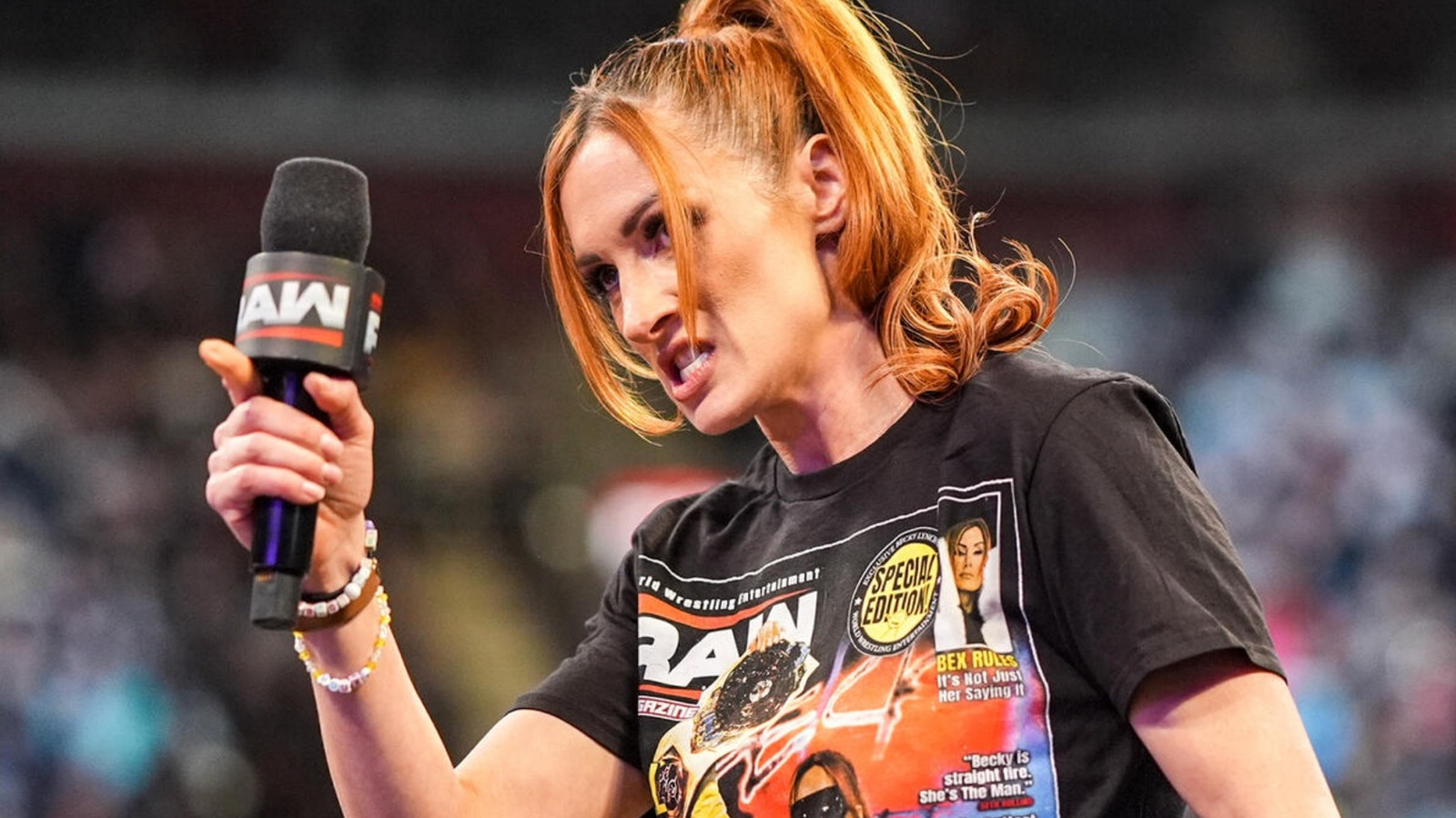
Becky Lynch is not sugarcoating the physical reality of the current locker room. With WrestleMania 41 exactly 21 days away from taking over Allegiant Stadium in Las Vegas, the former champion dropped a heavy dose of reality. During a recent appearance on the Cheap Heat podcast, Lynch admitted that many of WWE's top stars are nearing their career endgame.
This is not an angle. It is a biological inevitability. The generation that redefined the company over the last decade is running out of cartilage, spinal discs, and time. Lynch, Seth Rollins, Roman Reigns, and Bayley have carried the promotion through massive transitions. Now, the bill for that labor is coming due.
While Lynch is not currently sidelined with a single acute tear or fracture, she is actively managing the chronic, cumulative injury of a full-time wrestling career. This wear-and-tear syndrome—characterized by degenerating discs and chronic joint inflammation—has no specific return timeline because the athlete never actually leaves. They just manage the constant pain until the career officially ends.
Full-time punishment versus part-time preservation
The resentment over schedule inequality is boiling over. Lynch recently blasted Roman Reigns for his prolonged absences. She pointed out the obvious: she is carrying the weekly schedule while he is securely off television. From a pure fitness and longevity standpoint, Reigns is playing the smart game.
Reigns operates on a heavily modified schedule. He wrestles a fraction of the matches Lynch does. By reducing his ring time, Reigns limits his exposure to concussions, torn ligaments, and the chronic back issues that plague veterans. His joints are preserved. His bump card is carefully managed.
Lynch does not have that luxury. She is still grinding through the weekly television cycle. Taking flat back bumps on Monday Night Raw week after week accelerates the aging process. The contrast is glaring. One star is heavily protected by the booking and the schedule. The other is expected to anchor the women's division night in and night out.
This dynamic creates genuine friction. It is impossible to ignore the physical disparity when one champion is recovering at home and the other is icing their neck in a locker room in Peoria. The medical toll of a full-time schedule cannot be overstated. It breaks bodies down at an alarming rate.
The biomechanical breakdown of a top star
Consider the mechanics of Lynch's signature offense. The Manhandle Slam requires explosive power from the hips and lower back to lift dead weight. Doing this against opponents of varying sizes, five nights a week for a decade, accelerates lumbar spine degeneration. You cannot out-train the sheer impact of gravity.
Even her submission finisher puts her in a vulnerable position. While applying the Dis-Arm-Her, her own knees are driven into the mat, often absorbing the brunt of the sequence. Over years, this leads to patellar tendinopathy. It is the slow, grinding erosion of the joints that ultimately forces a wrestler into early retirement.
This is the reality Lynch is addressing. The endgame isn't necessarily a sudden catastrophic injury. It is waking up and realizing you cannot tie your shoes without radiating pain. It is the accumulation of a thousand minor bumps that were never given time to properly heal.
Holding the line or holding back the youth?
Despite the miles on her body, Lynch is still catching heat from a vocal segment of the fanbase. Critics accuse her of holding back younger talent. Lynch fired right back at those claims, and the reality of the booking supports her defense. The younger generation still desperately needs the established stars to draw money.
Look at Maxxine Dupri. She recently stated she wants her ultimate WrestleMania moment to be a Triple Threat match involving Lynch and AJ Lee. The younger talent is not looking to carry the card by themselves. They want the rub from the veterans. They need the veterans to make their matches feel important.
But this reliance on the old guard presents a massive structural problem. If Lynch, Reigns, and the rest of the top tier are nearing the end, who actually steps into the main event void? The younger roster members are athletic, but they do not have the reps. They do not have the main event conditioning required to work a 30-minute heavily psychological match.
The Mercedes Mone variable
The conversation about the future naturally drifts to the past. Lynch explicitly addressed her former rival's status.
"The door is always open to Mercedes Mone to return to WWE."
A reunion makes sense on paper, but it comes with its own set of physical questions. Mone has suffered significant trauma since leaving. Her run in New Japan Pro-Wrestling was derailed by a devastating ankle injury that required surgery and extensive rehabilitation.
Lower extremity injuries of that magnitude permanently alter an athlete's biomechanics. You lose a half-step. You overcompensate, which puts unnatural stress on the opposite knee and lower back. If Mone were to return to a full-time schedule, her body would be immediately tested.
The softer domestic style might be easier on the neck than the brutal Japanese strong style, but the travel schedule is merciless. Lynch knows exactly what it takes to survive the machine, which makes her open invitation to Mone interesting. It is a challenge as much as a welcome.
A critical look at the medical management
If we are analyzing this purely from a sports medicine perspective, the reliance on aging stars is playing with fire. The human body is not meant to take this level of continuous impact. We have seen what happens when the warnings are ignored. Neck fusions. Hip replacements. Forced medical retirements.
The promotion needs to enforce mandatory rest periods. Taking a star off television for six weeks to allow soft tissue to heal should be standard protocol, not a punishment. Instead, the culture dictates that you only take time off if a bone is broken or a muscle is completely torn off the bone. That mindset is archaic.
Lynch's frustration with Reigns is valid, but the anger is slightly misplaced. Reigns isn't the problem. The system that requires Lynch to work 80 times a year to maintain her spot is the problem. Until management normalizes load management for the entire roster, the career endgame for these stars will arrive much faster than anyone wants.
The road to Las Vegas
With WrestleMania 41 looming on April 19, the entire roster is operating on fumes. The period between the Royal Rumble and WrestleMania is the most physically taxing stretch of the year. The matches are longer. The bumps are harder. The pressure to deliver a memorable performance overrides common sense and medical advice.
Lynch will undoubtedly be heavily featured in Las Vegas. She will tape up whatever is hurting, take a handful of ibuprofen, and perform at a high level. That is what the top tier does. But every bump inside Allegiant Stadium will bring her one step closer to the reality she outlined on the Cheap Heat podcast.
The career endgame is not an angle. It is a biological deadline. And for Becky Lynch and her peers, that clock is ticking louder than ever.
As a bizarre side note to the current media cycle, Jesse Ventura recently made headlines by floating a wild Trump "blade job" theory during a Piers Morgan interview regarding the 2024 assassination attempt. The White House fired back immediately. While entirely disconnected from the physical realities of the locker room, it serves as a reminder of how deeply wrestling terminology has infiltrated national discourse. But inside the ropes, the blood is real, the injuries are real, and the finite nature of a career is very real.
Lynch is facing that reality head-on. The younger talent wants her spot. The critics want her to step aside. The part-timers are taking the premier spots on the card. Through it all, Lynch just keeps working. But she knows the end is out there, waiting. And judging by her recent comments, she is no longer afraid to talk about it.