The RKO Heard Around the Music World
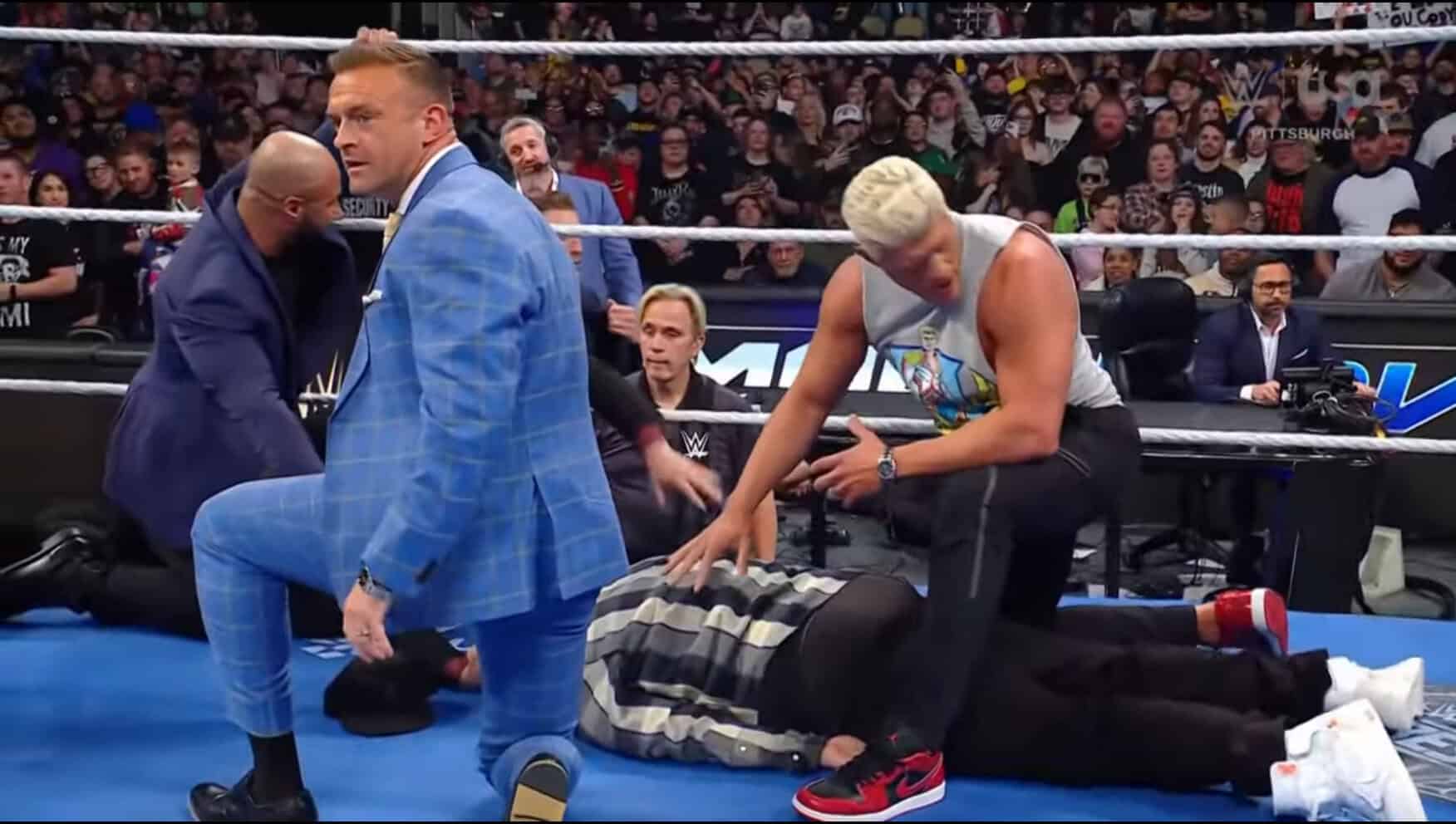
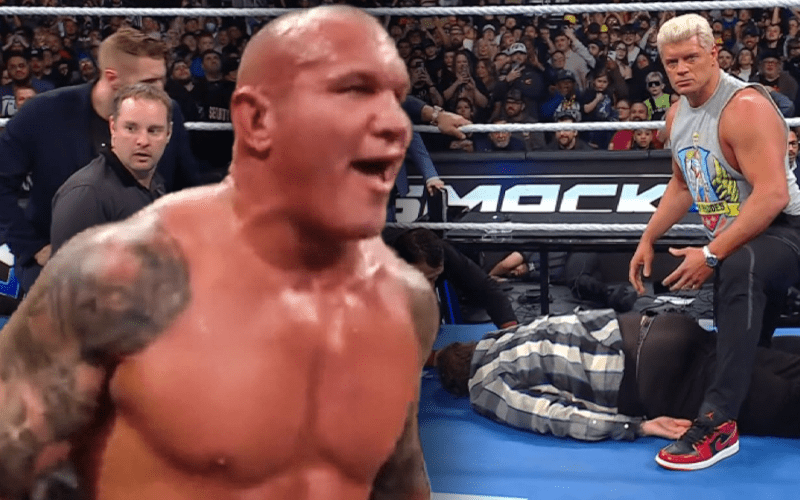
Friday night fundamentally changed the complexion of the Road to WrestleMania. During a chaotic, pull-apart brawl between Cody Rhodes and Randy Orton on the March 27 edition of SmackDown, country music star Jelly Roll found himself squarely in the crossfire. He didn't just take a glancing blow or a shove. He took an RKO.
That specific move is heavily protected. Orton does not hit his finisher on a mainstream celebrity unless there is a concrete plan in place. Taking a flat back bump on national television requires clearance, preparation, and intent. The moment that RKO connected, the industry immediately recognized the signal.
Now, the obvious question dominates the news cycle. Was this simply a one-off publicity stunt designed to pop the live crowd, or is it the catalyst for a formal in-ring debut? The rumour mill is currently moving at light speed. The prevailing theory suggests that a short-term, high-impact contract is actively being finalized.
The Anatomy of a Crossover Deal
WWE has completely rewritten the playbook on celebrity involvement over the last half-decade. We are lightyears away from the era where outsiders would awkwardly stand in the corner or throw a single terrible punch. The modern standard demands actual ring work. The audience expects effort.
Bad Bunny set the initial benchmark with his flawless Canadian Destroyer. Logan Paul turned a stunt appearance into a legitimate, full-time athletic pursuit. Pat McAfee proved that charisma translates seamlessly between the commentary desk and the squared circle. If Jelly Roll is legitimately signing a deal for WrestleMania 41, he enters an environment with massive, perhaps unfair, expectations.
Speculation indicates that WWE and Jelly Roll's management team have been hammering out a limited-appearance contract for several weeks. The timing of the SmackDown angle is too perfect to be coincidental. April 19 is approaching fast. You do not initiate physical contact unless the ink on the insurance and liability waivers is already dry.
Why the Fit Makes Sense
Jelly Roll already possesses the most difficult asset to teach a performer: an organic, undeniable connection with the live audience. Wrestling fans are notoriously protective of their industry. They can smell inauthenticity from the arena parking lot. They historically reject outsiders who treat the business like a sideshow joke.
The singer has repeatedly expressed his genuine fandom for professional wrestling. He understands the mechanics of drawing a reaction. Showing up in a premium live event crowd to wave at the camera is one thing. Stepping between the ropes to take one of the most iconic finishers in wrestling history is entirely different. It buys immediate, measurable goodwill from a notoriously fickle fanbase.
Furthermore, his aesthetic fits the current grittier presentation of the product. He looks like a guy who belongs in a fight. However, there is a massive difference between taking a single controlled bump and working a functional wrestling match. This brings us to the most pressing concern regarding the rumoured signing.
The Risk Factor
Let's be critical for a second, because the reality of this situation is daunting. WrestleMania 41 is exactly 22 days away. That is a terrifyingly short window to prepare anyone, let alone a touring musician, for a live, sanctioned wrestling match at Allegiant Stadium in Las Vegas.
Unlike Logan Paul, who brought a deep amateur wrestling and boxing background, or Bad Bunny, who spent months quietly training in a private facility, Jelly Roll's physical readiness is a total unknown. Putting a non-wrestler in the ring with only three weeks of runway is a massive, uncomfortable gamble.
If he looks lost, blown up, or out of position, it drags down the entire segment. It ruins the suspension of disbelief. More importantly, it takes a premium, highly coveted spot away from a locker room full of full-time talent who have been working dark matches and house shows all year. Wrestlers are incredibly protective of their WrestleMania paydays.
Bumping a rising star to the pre-show battle royal to make room for a celebrity attraction always causes backstage friction. The front office knows this. They are betting that the mainstream attention Jelly Roll brings will offset any internal frustration. But if the match underdelivers, the criticism from both the fans and the locker room will be ruthless. WWE cannot afford a sloppy celebrity match on the biggest card of the year.
Booking the In-Ring Debut
If the deal is real, how does the creative team book this without exposing the artist's limitations? The most logical and protective path is a tag team match. Hiding a celebrity in a tag format is booking 101.
Cody Rhodes clearly needs backup. Randy Orton is currently operating on a completely different level of targeted violence, tearing through the roster. Pairing Jelly Roll with Rhodes against Orton and a partner hides his physical flaws while maximizing his reactions.
In a tag scenario, he only needs to execute two specific spots and a hot tag. The visual of Jelly Roll standing on the apron, firing up the crowd while waiting for Rhodes to make the tag, is pure box office. But again, it relies on careful, heavily rehearsed choreography that must be nailed perfectly on the first try.
Structuring the Contract
While exact figures remain closely guarded, the structure of modern WWE celebrity contracts provides a template for this rumoured deal. These are not simple appearance fees. A crossover signing of this magnitude involves merchandising splits, promotional obligations across both WWE and the artist's platforms, and extensive insurance policies.
When a touring musician steps into a wrestling ring, their management team demands ironclad assurances. An injury in the ring means canceled tour dates, which translates to millions of dollars in lost revenue. Therefore, if the rumours are accurate and Jelly Roll has signed the dotted line, the contract likely includes rigorous stipulations about the exact nature of the physical contact he will endure.
This adds credence to the tag team theory. A heavily scripted, highly controlled environment minimizes the risk of a blown knee or a concussion. WWE is paying for the headline, the social media impressions, and the crossover demographic. They are not paying to see Jelly Roll wrestle a thirty-minute iron man match.
Probability Assessment
So, where do we actually stand? The reports from Ringside News highlight the physical altercation, which serves as the smoking gun for this entire theory. As stated earlier, WWE simply does not let prominent musicians take an RKO just for a cheap pop. There is always a secondary motive.
The mainstream media pickup over the last twenty-four hours has been immense. Clips of the RKO are dominating social platforms, breaking out of the wrestling bubble and entering mainstream pop culture feeds. WWE loves maximizing this specific type of crossover appeal right before their tentpole events. The timing aligns perfectly with their historical marketing strategies for WrestleMania.
Probability of a signed, finalized deal? I would put it at 85 percent. The physical angle is already on tape. You simply do not pull the trigger on a spot that involves dropping a massively popular artist on his back unless the contractual terms are agreed upon and the match is officially greenlit by the creative team.
The Expected Timeline and Impact
With WrestleMania 41 scheduled for April 19, the clock is ticking down rapidly. We are officially in the final stretch. We should expect an official challenge, or at least a major storyline development, by next week's SmackDown at the latest. WWE needs time to build the promotional graphics, print the event-specific merchandise, and push the match on mainstream morning television shows.
The next few days will be incredibly revealing. If Jelly Roll appears on Monday Night Raw, or if seemingly impromptu training footage suddenly surfaces online, the deal is completely locked. Until then, the wrestling world waits to see if the musician is truly ready to trade the microphone for a pair of wrestling boots. The spotlight in Las Vegas is notoriously unforgiving.
If this deal goes through, the impact will be massive. It guarantees mainstream coverage for WrestleMania 41 and injects a fresh, unpredictable element into the Rhodes versus Orton program. It proves that WWE remains the ultimate destination for pop culture crossovers. Now, we just have to wait for the bell to ring.