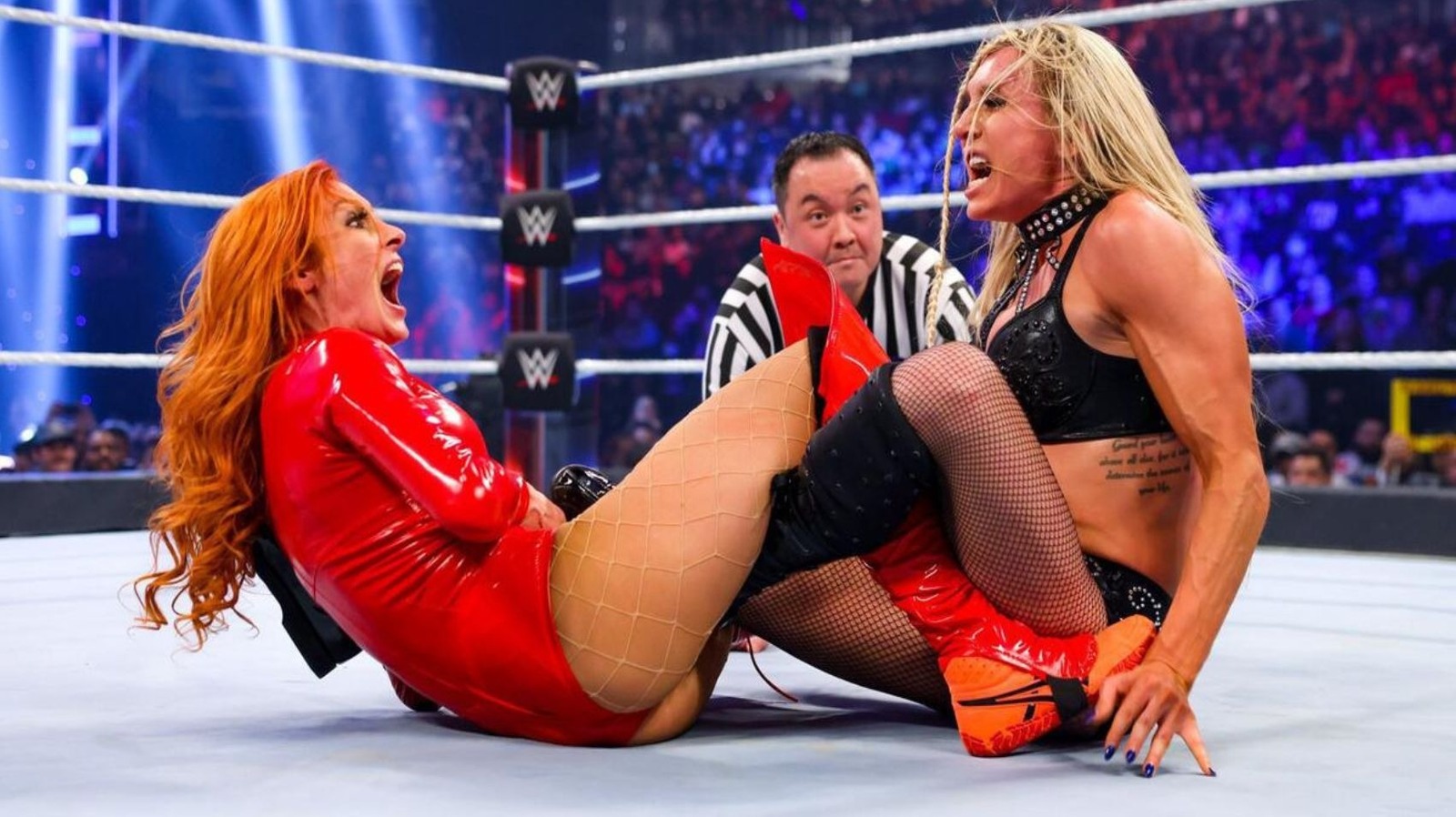
The reality of the Monday night grind
It happens every single year right around this time. The weather warms up in late March. The WrestleMania sign gets pointed at constantly. The underlying resentment between the full-time locker room and the part-time attractions finally boils over.
With WrestleMania 41 just 22 days away, the backstage tension is no longer subtle subtext. It is the main text of the product. Becky Lynch has pointed the finger directly at the top of the mountain.
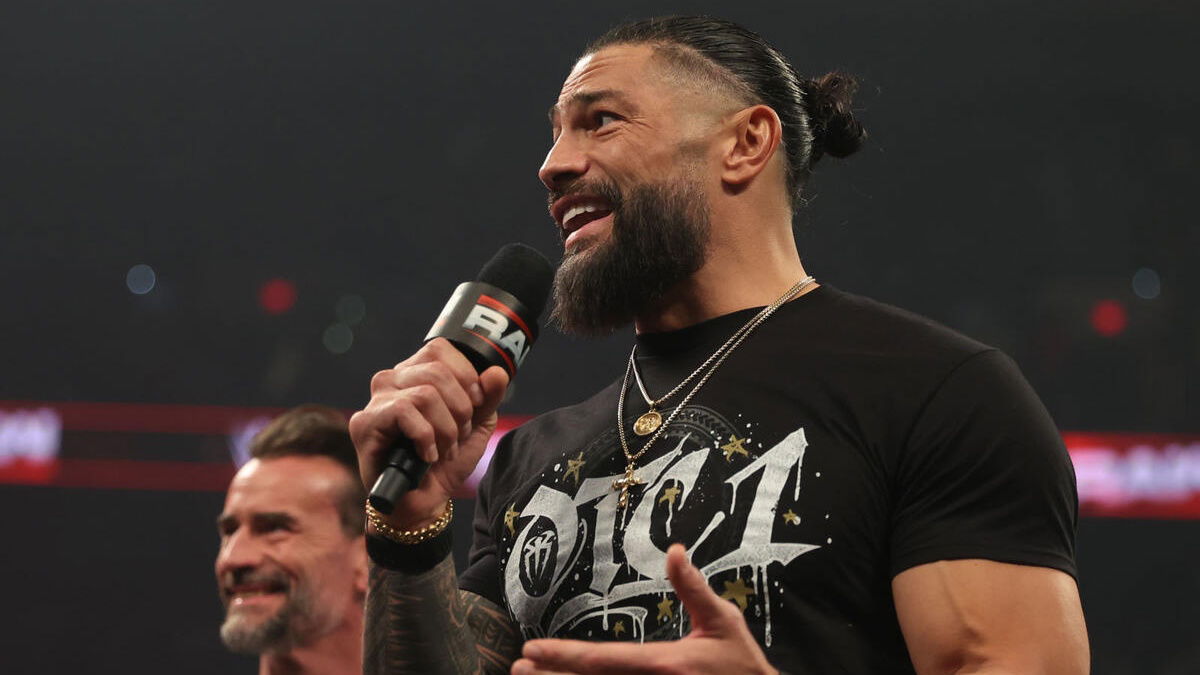
She is the one doing the early morning radio hits to push ticket sales. She is the one working the Friday night house shows in Kalamazoo. Roman Reigns is not. The contrast is jarring, and it defines the modern era of WWE booking.
Lynch's recent public frustrations about carrying the company schedule aren't just character work. They are a harsh operational reality. As Ringside News recently documented, Lynch blasting Reigns for his absence brings a long-standing locker room grievance into the light.
Becky Lynch Blasts Roman Reigns for Not Being Around While She Carries WWE Schedule
Let's look at the actual workload required of a top-tier full-timer. A workhorse in WWE logs an incredible amount of ring time. They take heavy bumps on raw wood under the ring mat.
They tear up their shoulders in 15-minute Raw main events that get forgotten by Tuesday morning. Think about the physical toll of a typical weekend loop.
You fly into a secondary market on a Friday morning. You hit the gym. You wrestle a 20-minute street fight on Friday night. You drive 200 miles in a rental car.
You do it all again on Saturday. Sunday is another town, another main event spot. Monday is live global television. That is the schedule Lynch is referencing.
The protected environment of the Tribal Chief
When she talks about carrying the company, she means literally putting bodies in seats in places like Peoria and Binghamton. Contrast that directly with the Reigns schedule.
The Tribal Chief model is built entirely on artificial scarcity. It is boxing booking applied to professional wrestling. By severely limiting his appearances, WWE artificially inflates his perceived value.
When Reigns actually walks down the ramp, it feels like an event. The stadium crowd reacts differently. The production value spikes.
But that aura comes at a steep cost. The cost is paid by people like Lynch, Seth Rollins, and Cody Rhodes. They have to tread water on television for three weeks out of every four.
They are forced to cut repetitive promos about a champion who isn't even in the building. It creates a massive pacing problem for weekly television broadcasts.
The critical flaw in the attraction model
Here is where the Reigns experiment shows its ugliest cracks. When the champion is gone, the surrounding storylines stretch to the breaking point. The Bloodline saga has produced hours of absolute filler.
Watching Solo Sikoa stare at his thumb for the fourth consecutive week without Roman present is terrible television pacing. It creates a creative vacuum.
WWE inevitably tries to fill that vacuum with long, rambling in-ring promos that go nowhere. Lynch is entirely justified in her annoyance. The full-timers take actual physical risks to cover for a creative standstill.
Furthermore, when Reigns does wrestle, his match layout has become agonizingly formulaic. You can practically set your watch by the mandatory referee bump.
You know exactly when a Bloodline member will slide into the ring to break up a pinfall. The scarcity model only works if the actual matches deliver something unpredictable.
Lately, his main events have felt like copy-and-paste jobs. He relies heavily on a limited offensive moveset. The Superman Punch and the Spear are highly protected, but the connective tissue of his matches is mostly rest holds and slow walks around the ring.
Tactical differences inside the ropes
Tactically, Lynch and Reigns approach the ring completely differently. Lynch builds a match around raw urgency.
She targets a limb early, usually the left arm, establishing the groundwork for the Dis-Arm-Her. Her matches feature rapid, high-risk transitions.
She uses the Bex-Plex to shift momentum instantly and relies on quick, high-impact striking to keep the crowd engaged during commercial breaks. She wrestles like someone who knows she only has twelve minutes before the show cuts away.
Reigns wrestles like a man with unlimited television time. His matches are deliberate, slow-paced exercises in psychological warfare. He spends minutes monologuing to the hard camera.
His segments are heavily produced and protected. He has Paul Heyman acting as a real-time director at ringside.
If a Reigns match starts slow, Heyman grabs the microphone and dictates the pace. He works the crowd while Reigns catches his breath. Lynch has no such safety net.
She is out there alone. If a segment is dying on live television, Lynch has to fix it in real-time with her own pacing.
The collision course in Las Vegas
We are heading straight into Las Vegas for WrestleMania 41 next month. Allegiant Stadium will be packed to the rafters.
Reigns is locked in for Night 2, facing the inevitable clash with Cody Rhodes. That match will dictate the company's direction for the next five years.
Lynch will likely tear the house down on Night 1. Both will get massive reactions from the stadium crowd. Both will move an absurd amount of merchandise.
But the underlying tension will remain untouched. The company fundamentally relies on two entirely different classes of worker. There are the people who sell the massive pay-per-views, and the people who sell the Monday night cable deals.
This structural shift damages the midcard. When the World Title is absent, every other feud feels slightly diminished.
The narrative ceiling is lowered. Wrestlers find themselves fighting over secondary grievances because the ultimate prize is quite literally absent from the building.
So who wins this ideological argument? Historically, the part-timer always wins the political battle in this industry.
WWE management loves a marquee attraction. They love a guy they can put on a billboard in Times Square. But Lynch's public frustration is a blaring warning sign.
You can only ask your workhorses to pull the cart for so long before they stop pulling. The physical toll of working 80 matches a year while the champion works six times creates a fractured locker room.
Heading into Vegas, expect Lynch to turn this real-life grievance into a fiery on-screen narrative. She knows exactly how to blur the lines between reality and storyline.
My prediction? Reigns drops the belt on April 20. The part-time championship era is running entirely on fumes.
The roster desperately needs a champion who actually shows up to work on a Tuesday. Lynch is just the first one brave enough to say it out loud.
Read Next
- Cody's defense against Orton shows why Roman should be nervous
- Why Becky Lynch's reality check exposes WWE's massive WrestleMania problem
- Becky Lynch just teased another Charlotte match and I am exhausted
- Roman Reigns will take back the WWE Championship in Vegas
- 🏆 WrestleMania 41 — Full Coverage Hub
- 💥 WWE Backlash 2026 — Full Coverage Hub
- 👑 Roman Reigns Return 2026 — The Tribal Chief