
Jim Ross and the sound of professional wrestling's final act
The expiration of the definitive voice
The landscape of professional wrestling—if we can avoid the typical industry jargon for a moment—is defined by its voices. On August 15, 2026, Jim Ross will see his current contract with All Elite Wrestling conclude. At 74 years old, the man who called the most era-defining moments of the Monday Night Wars effectively enters a state of professional limbo.
Reports from PWInsider confirm that his current agreement reaches its shelf life this late summer. This isn't merely an administrative detail regarding an on-air personality. It represents the quiet fading of a bridge between the territorial era and the modern corporate production of wrestling.
The physical toll of the legendary run
Journalism in this space often glosses over the fragility of the talent. Ross, who has battled multiple health scares in recent years, reportedly suffered yet another fall during the week of May 19, 2026. These aren't just minor incidents; they highlight the reality of a career that spans over 50 years.
His commentary during the early days of Dynamite often struggled to recapture the rhythm he possessed in 1998, but the nuance remained. Watching him navigate the pacing of a modern, fast-paced tag team match—where spots occur with high frequency and little breathing room—often felt like watching a master painter forced to use a spray can.
Why the era of the singular voice is ending
Modern wrestling production favors the "three-man booth" style. This format creates a wall of sound designed to prevent dead air. Ross functions best in a two-man setup, providing color to a play-by-play caller who dictates the tempo.
Without that specific dynamic, Ross has often felt displaced in the current product. His reliance on slow-build storytelling clashes with the high-octane frequency favored by Tony Khan. It is a misalignment of philosophy, not necessarily a failure of talent.
The critical assessment of his final run
Critically, the AEW tenure has been uneven. There have been moments where the old magic flickered—a particularly tight main event where he allowed the silence to punctuate a finish. However, these instances became increasingly sparse.
There is a stark reality that must be addressed: his health issues have impacted his ability to remain a full-time constant on the broadcast. When a lead commentator is absent, it fractures the narrative flow of a recurring show. This isn't a knock on his contribution to the industry; it is an observation of his current trajectory toward retirement.
We are watching the curtain close on a specific type of presentation. Even if he signs a consultancy deal or a limited engagement extension, the full-time "Good Ol’ JR" that we recognized as the heartbeat of wrestling has already moved behind the scenes. His eventual exit should serve as a reminder that the industry is remarkably efficient at moving toward the next iteration, regardless of who stood at the mic before.
Funko Pop! WWE: Cody Rhodes (Hell in a Cell) - Vinyl Collectible
Commemorate one of the gutsiest performances in WWE history with this legendary
Frequently Asked Questions
When does Jim Ross's AEW contract expire?
Why is the current wrestling commentary style difficult for Jim Ross?
What health challenges has Jim Ross faced recently?
How has Jim Ross's health affected his role in AEW?
What is the industry's perspective on Jim Ross's commentary style?
More Coverage

WWE roster health update: A mid-summer injury reality check
9 hours ago
Vince McMahon stories are still the weirdest thing in wrestling
11 hours agoBeyond Wrestling just booked a show for nobody and it somehow worked
12 hours ago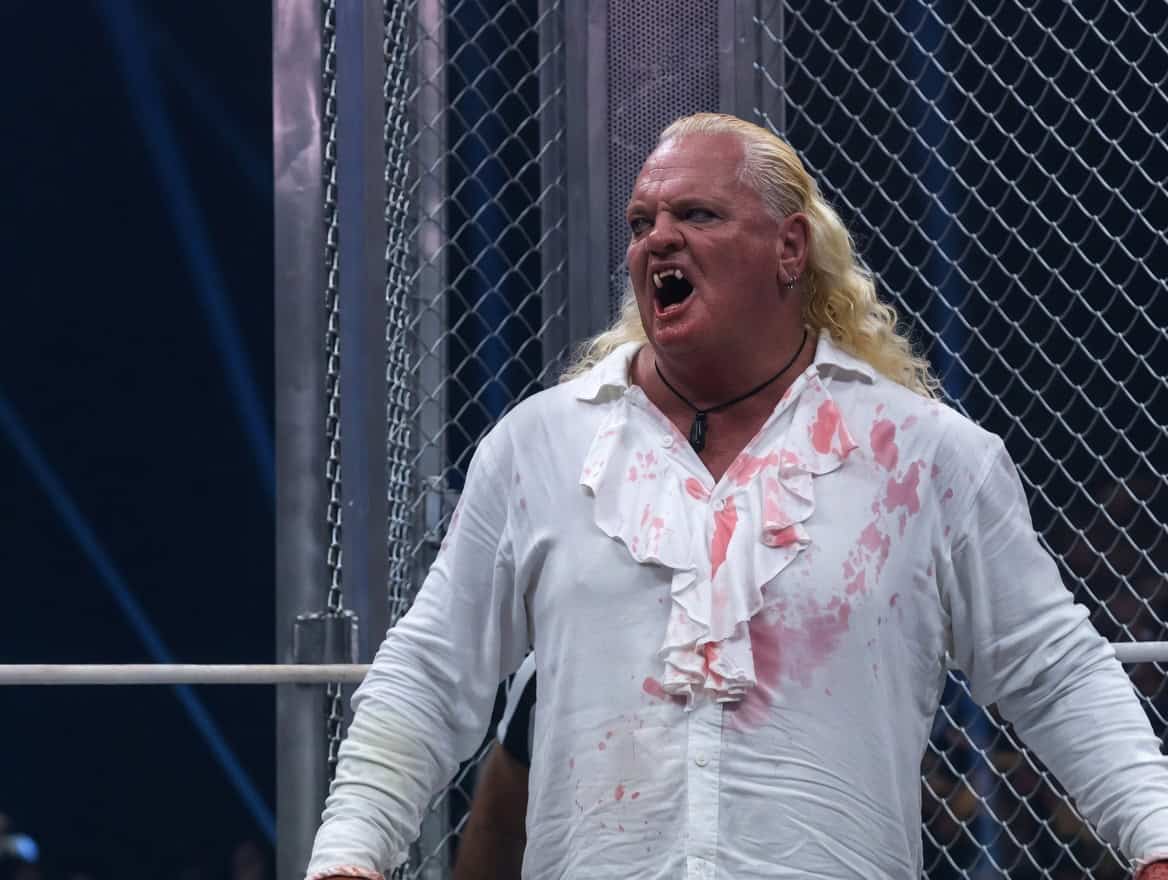
Why Gangrel is right about the lost art of wrestling psychology
19 hours agoAEW reality check: The G1 Climax isn't your indie playground anymore
20 hours ago
NXT is stuck in a weird purgatory between action and talking heads
1 day, 1 hour agoMore Analysis

Why Jim Ross’s latest health battle signals the end of his AEW run
1 week, 2 days ago
The broadcasting booth feels empty without Jim Ross
3 weeks, 6 days ago
Jim Ross reaching the end of his AEW run in August
1 month, 2 weeks agoJim Ross is the toughest guy to ever lace up the boots
1 week, 2 days ago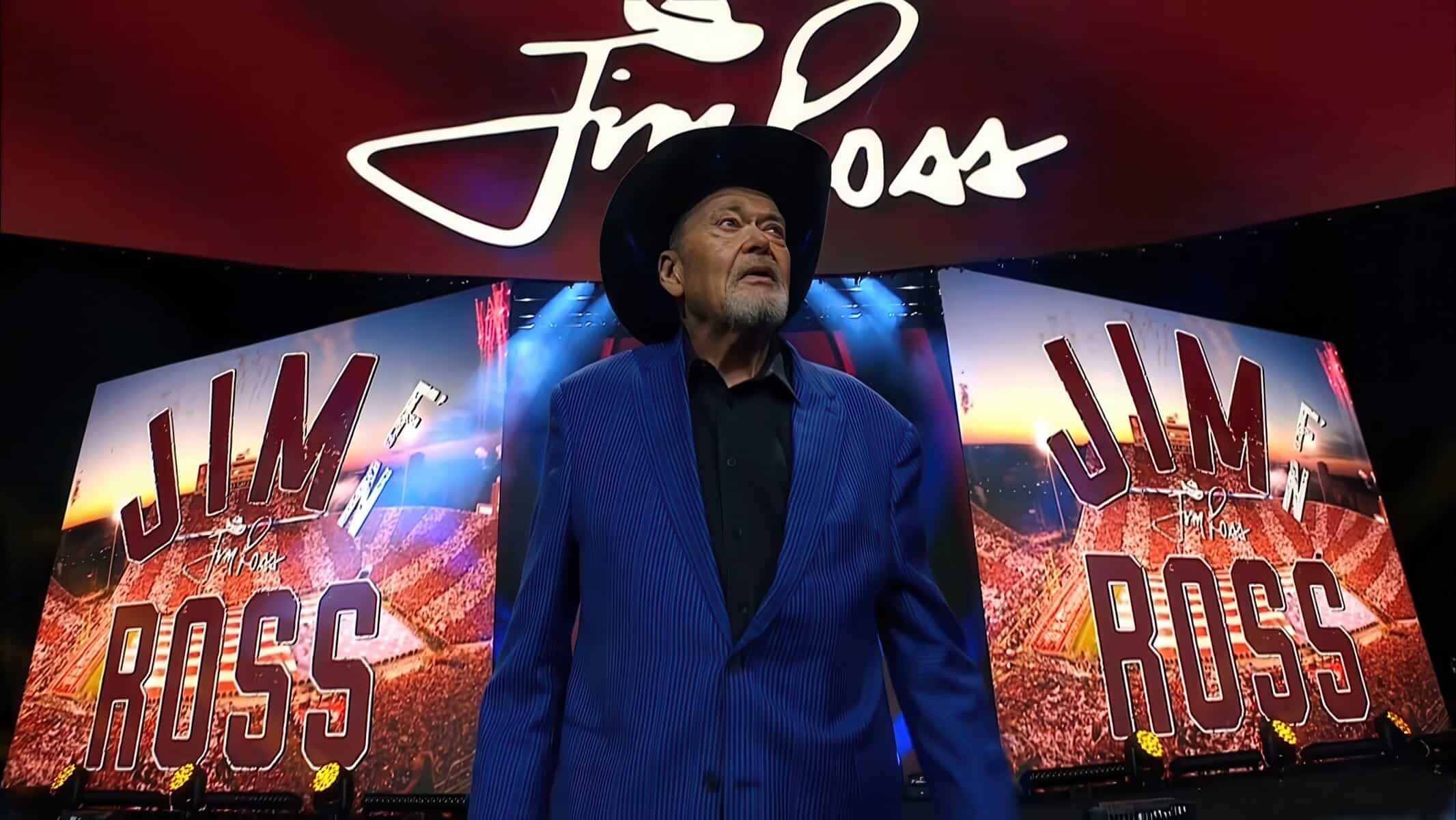
Jim Ross is heading home, but AEW's commentary booth has already moved on
2 weeks, 4 days ago