When wrestling dreams go to die: The tragic tale of KroniK in WWE

A Collision Course With Oblivion
In the grand, often chaotic history of professional wrestling, few moments serve as such a stark reminder of the industry’s ruthless transience as the 2001 tenure of KroniK. For the uninitiated, Brian Adams and Bryan Clark were a formidable force in WCW, a pair of monolithic heavyweights who brought a sense of legitimate, bruising physicality to the tag team scene. When they arrived in WWE following the corporate acquisition, the expectation was a seamless transition of power. Instead, what followed was a masterclass in mismanagement that remains a cautionary tale for any talent stepping into the titan’s lair.
The recent revelations from Bryan Clark regarding the duo’s brief, disastrous stint in WWE peel back the curtain on a creative process that was, by all accounts, fundamentally broken. According to Clark, the company had absolutely no long-term vision for KroniK. They weren't brought in to build a division or to elevate the tag team landscape; they were brought in as bodies—disposable assets to be fed to the top of the food chain before being discarded.
The Unforgiven Nightmare
The apex—or perhaps the nadir—of their tenure culminated at Unforgiven 2001. The match pitted KroniK against the immovable objects of The Undertaker and Kane. It was a high-stakes, high-profile spot that should have solidified their standing as legitimate threats to the Brothers of Destruction. Instead, it became a public execution of their credibility.
The match was rushed, the chemistry was non-existent, and the writing was on the wall before the bell even rang. We were essentially lambs being led to the slaughter, without a roadmap or a reason to be there.
The performance was widely panned, characterized by a lack of cohesion that wasn't necessarily the fault of the workers, but rather the result of a lack of preparation. Clark noted that the duo was rushed into the bout with almost zero runway to integrate into the WWE style. Just days after the match concluded, the pink slips were issued. It was a cold, calculated dismissal that left fans scratching their heads and the wrestlers themselves feeling the sting of a system that views human beings as interchangeable parts.
The NXT Perspective: Looking Forward
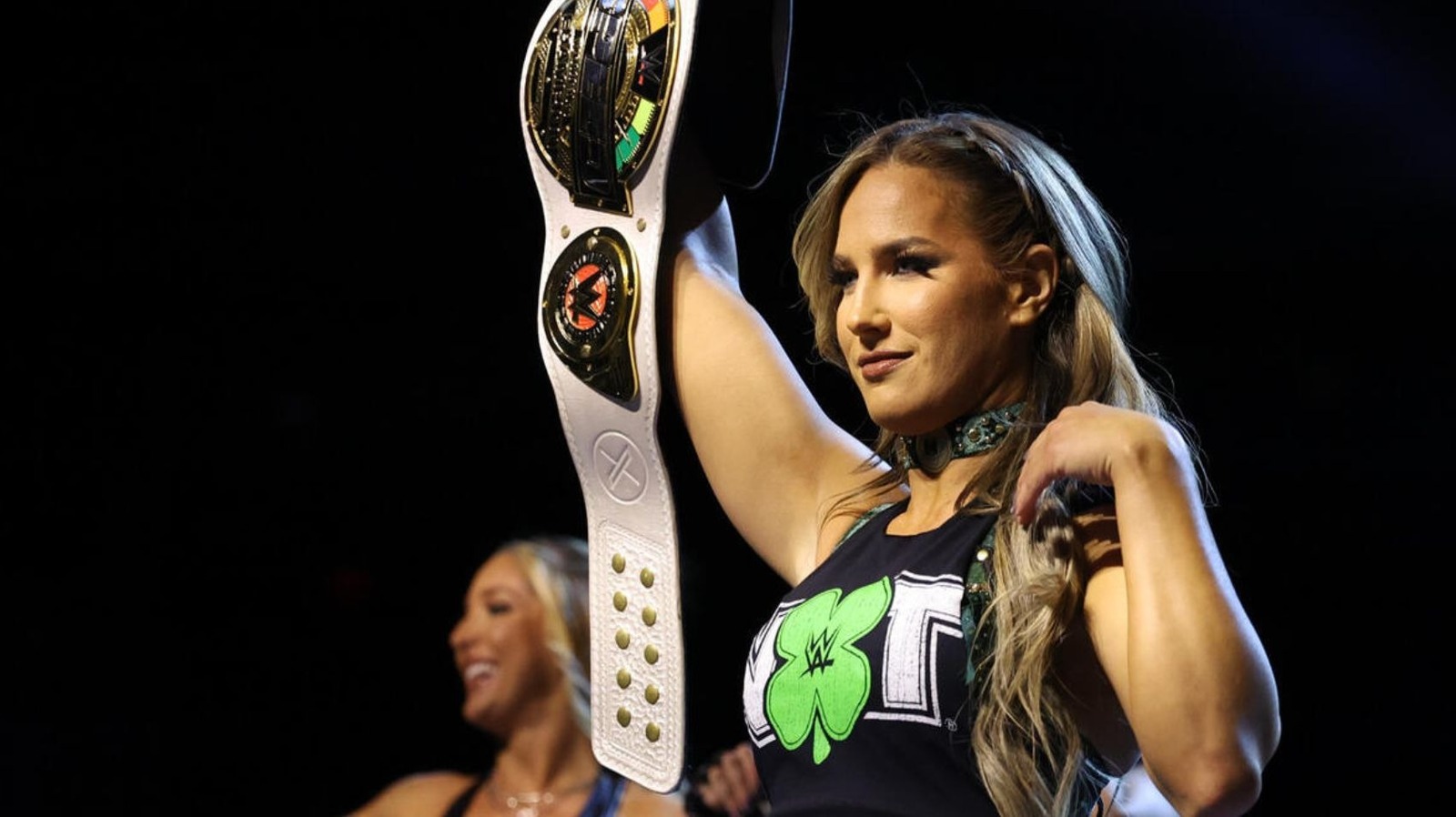
While the history books are littered with the ghosts of failed acquisitions, the modern landscape of NXT offers a different, more nurturing narrative. Take the recent commentary from Blake Monroe, who has been making waves by discussing the possibility of dream matches against legends like The Bella Twins. Unlike the KroniK era, where talent was treated as a plug-and-play commodity, the current developmental philosophy emphasizes connection, storytelling, and the preservation of legacy.
Monroe represents a new generation that understands the value of the platform. By openly discussing the potential for a high-profile clash with Nikki and Brie Bella, she isn't just looking for a payday; she is looking to bridge the gap between eras. It is a stark contrast to the KroniK experience, where the lack of a bridge led to a total collapse.
Why Strategy Matters More Than Star Power
The tragedy of KroniK wasn't that they were bad wrestlers; it was that they were victims of a corporate culture that refused to adapt. WWE in 2001 was flush with talent from the WCW buyout, and the internal politics were toxic. Without a plan, even the most imposing figures become nothing more than background noise.
- Lack of creative direction: The absence of a storyline meant fans had no reason to invest in their success.
- Style mismatch: The transition from the WCW power-game to the faster-paced WWE style required training that they were never given.
- The "Disposable" Mentality: When management views talent as temporary, the audience subconsciously picks up on that lack of importance.
It is worth noting that history has a way of repeating itself if the lessons aren't learned. If NXT stars like Monroe are to succeed, they need the support that Adams and Clark were denied. Building a star requires more than just a big frame and a history of success elsewhere; it requires a creative engine that is firing on all cylinders.
The Lingering Shadow of 2001
Looking back at the Unforgiven disaster, it is easy to see why Bryan Clark remains critical of the process. The industry has evolved significantly since then, yet the fear of being "rushed" into a spot you aren't ready for remains a universal anxiety for wrestlers. The KroniK story serves as a reminder that even the biggest names in the business are one bad booking decision away from obscurity.
As we watch the current crop of talent rise through the ranks, we must hope that the lessons of the past are being applied. Blake Monroe and her peers have the benefit of a more structured developmental system, one that values the long-term health of the roster over the short-term thrill of a "dream match" that lacks substance. The KroniK failure was a symptom of a company in transition, but it remains a ghost story that every promoter should keep in mind.
Ultimately, professional wrestling is a business of optics. If the company doesn't believe in the talent, the audience never will. Brian Adams and Bryan Clark deserved better than a one-off match and a release, but their story remains a vital piece of the puzzle in understanding how the industry matured—or failed to—over the last two decades.
WWE Jey Uso YEET Authentic T-Shirt
Join the YEET movement with Jey Uso's viral catchphrase tee.
Frequently Asked Questions
Who were the members of the tag team KroniK?
What was the main reason for KroniK's failure in WWE?
Which match marked the end of KroniK's WWE run?
Why was the KroniK vs. Brothers of Destruction match considered a failure?
How does the modern NXT philosophy differ from the KroniK era?
More Coverage
Smackdown's booking is becoming a repetitive struggle
2 hours agoWhen Ozzy wasn't looking: The weirdest wrestling crossover of the year
6 hours ago
AJ Styles is reflecting on his legacy while others look elsewhere
6 hours ago
Ethan Page is playing a dangerous game with his ego in NXT
7 hours ago
Ethan Page says his custom NXT title was the real top prize and fans are split
7 hours agoGear Check: Sorting the Must-Haves from the Merch Table Filler
8 hours agoMore Match Reports

WWE’s obsession with stripping star power is a self-inflicted wound
1 month ago
WWE's NXT promotion strategy is hitting a wall
2 months, 3 weeks ago
The Ghost in the Machine: How WWE Broke Karrion Kross
2 months agoWWE is booking Fatal Influence to expose the tag division's limits
1 week, 6 days ago
The Wyatt Sicks experiment just went up in smoke
2 months, 3 weeks ago