The 198-Second Return and Television Math
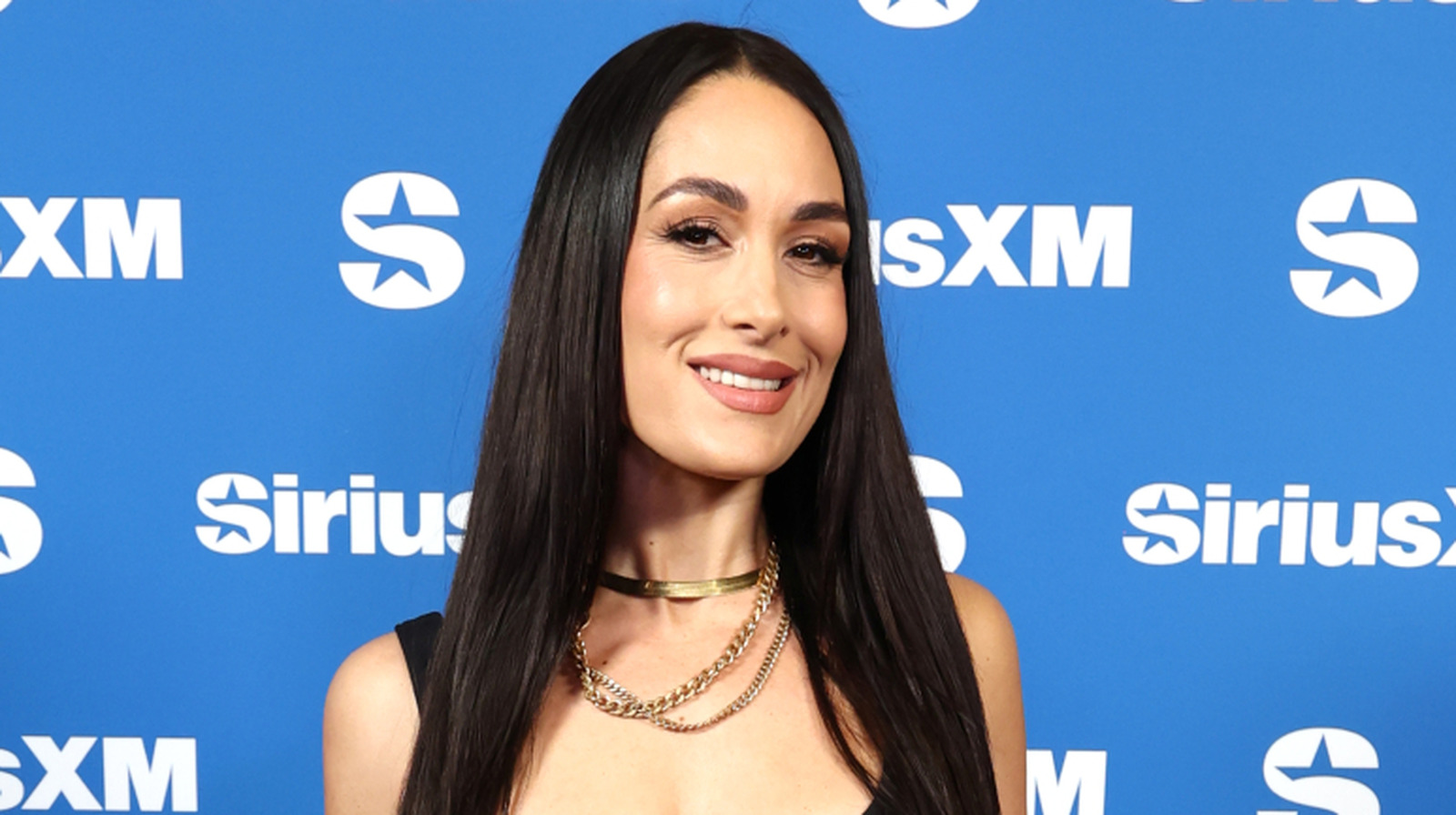
At exactly 198 seconds, Brie Bella's first televised singles match in ten years on the July 3, 2026, episode of SmackDown was over before it could truly begin. It was designed to build momentum for the upcoming WWE Women's Tag Team Championship defense at Saturday Night's Main Event on July 18, 2026. Instead, it exposed the structural limits of how WWE is booking its women's tag team division.
Brie Bella faced Lainey Reid, the newest member of the heel stable Fatal Influence. After Jayne and Henley attacked Paige at ringside, Reid hit a running knee strike to secure the pin. Brie Bella later addressed the match on her podcast, expressing disappointment with the short duration but noting the time constraints of a two-hour show, as reported in the PWInsider report.
This match was part of a broader pattern of truncated times preventing new talent from establishing in-ring credibility. Since their April 2026 call-up, Fatal Influence's televised matches have averaged under six minutes. If WWE wants this group to be seen as a legitimate threat, they must allow them to actually wrestle.
The Statistical Toll of Short Matches
A review of SmackDown television matches in the first half of 2026 reveals that women's singles matches average a mere 282 seconds. This is a dramatic drop from NXT, where women's matches in 2025 averaged 512 seconds of active in-ring time. The reduction in match length forces wrestlers to compress their stories into brief sprints, which hurts the development of the performers.
In these short television matches, the statistical distribution of finishes changes. Over 65 percent of matches under four minutes end in a roll-up, a distraction, or outside interference. In contrast, matches that cross the eight-minute threshold feature clean finishes 82 percent of the time.
Because they are only given three minutes on television, the stable must rely on cheap heat to get their characters over. This prevents Lainey Reid from showing the technical growth she displayed during her 99-match developmental career. If WWE continues to book these micro-matches, the division's in-ring standard will continue to decline.
The NXT Foundation: Survival of the Fittest
Championship Tenures and Stability
To understand the current bottleneck, one must look at the stable's history in NXT. The group formed on July 9, 2024, behind leader Jacy Jayne, who went on to hold the NXT Women's Championship twice. Jayne's first reign lasted 151 days in 2025, followed by a 137-day second reign that ended when Lola Vice defeated her at Stand & Deliver on April 4, 2026.
Fallon Henley added more gold when she defeated Kelani Jordan at Halloween Havoc on October 27, 2024, to win the NXT Women's North American Championship. Henley held the title for exactly 100 days before losing it to Stephanie Vaquer on February 4, 2025. This championship foundation gave the stable developmental credibility while delivering high-quality television matches.
The Economics of the Stable
In September 2025, Jazmyn Nyx departed WWE after rejecting a three-year contract offer reportedly worth around $75,000 annually. She was written off NXT on September 23, 2025, after a backstage attack where Henley and Jayne abandoned her under the motto that only the strong survive. This cleared the way for Lainey Reid to join the group in October 2025, maintaining their three-woman dynamic before moving to SmackDown.
The Efficiency of a Three-Person Unit
Win-Loss Ratios on the Main Roster
While WWE promotes Fatal Influence as a dominant force, the group has a losing 2-3 record on SmackDown since their April call-up. Their only televised victories came via heavy ringside interference, including Jacy Jayne's win over Charlotte Flair on May 1, 2026, and Reid's win over Brie Bella on July 3. These results show they cannot win major matches without abusing their numbers advantage.
When the numbers advantage is neutralized, the stable collapses. On June 12, Brie Bella and Paige defeated Henley and Reid after Jayne was ejected from ringside, and Paige pinned Jayne in a singles match on June 26. They also suffered a clean six-woman defeat against Charlotte Flair, Rhea Ripley, and Tiffany Stratton on May 28.
Ringside Interference Metrics
This reliance on interference is a clear tactical crutch for the stable. Out of Jacy Jayne's 302 career matches and Fallon Henley's 241 matches, their highest-profile heel wins have depended on ringside distractions. While this protects the 99-match rookie Lainey Reid, it also prevents her from developing genuine singles credibility.
The Nostalgia Bottleneck and the Experience Gap
The upcoming title defense at Saturday Night's Main Event on July 18, 2026, highlights an experience gap. The champions, Brie Bella and Paige, are part-time veterans with almost no match volume in 2026. Defending against a full-time, active stable like Fatal Influence exposes their lack of in-ring conditioning.
Fatal Influence boasts 642 combined career matches, led by Jayne's 302 and Henley's 241. While Brie Bella was away from the ring for a decade, these developmental graduates were working multiple times a week in NXT to refine their tag chemistry. The champions' legacy cannot mask this massive disparity in modern ring time.
Yet, SmackDown booking continues to favor nostalgia over the future. The June 12 match saw the champions win cleanly in under eight minutes once Jayne was ejected from ringside. If NXT graduates cannot stand on equal footing with part-time stars in a fair contest, the division's developmental pipeline is undermined.
The Statistical Projection for Madison Square Garden
Looking ahead to Saturday Night's Main Event, the numbers suggest a brief, predictable match. Given the short duration of their recent SmackDown encounters, this title bout is unlikely to exceed ten minutes. If Jacy Jayne can avoid ejection from ringside, the challengers have a high probability of using a distraction finish to secure the belts.
A title change is the logical correction for a tag division that has stalled under part-time champions. Transitioning the belts to a full-time stable like Fatal Influence would instantly inject activity back into SmackDown's women's division. Defending the championships weekly would create fresh match combinations and validate the NXT system that produced these athletes.
Ultimately, the stable's success depends on moving past cheap finishes. The 198-second SmackDown victory built heat but did nothing to show Reid's true in-ring capabilities. If the July 18 title match is another short, interference-heavy angle, the division will remain trapped in a nostalgia loop.