Measuring momentum at Oceanview Pavilion
The United Wrestling Network returned to the Oceanview Pavilion for Sunday Night Slam III, an event that drew attention for its reliance on established regional talent. During the broadcast, 14 distinct segments occurred, ranging from technical grappling exhibitions to high-stakes title confrontations. However, 62% of the card concluded in under 8 minutes, leaving little room for the narrative development necessary to justify a premium broadcast slot.
The lack of pacing reflected a broader issue with the promotion's current booking structure. Throughout the evening, the average match duration hovered at 7.4 minutes, significantly lower than the industry standard for televised independent showcases. Shorter matches prevent the implementation of multi-act storytelling, which is the cornerstone of building lasting fan interest.
The security failure at UFC Freedom 250
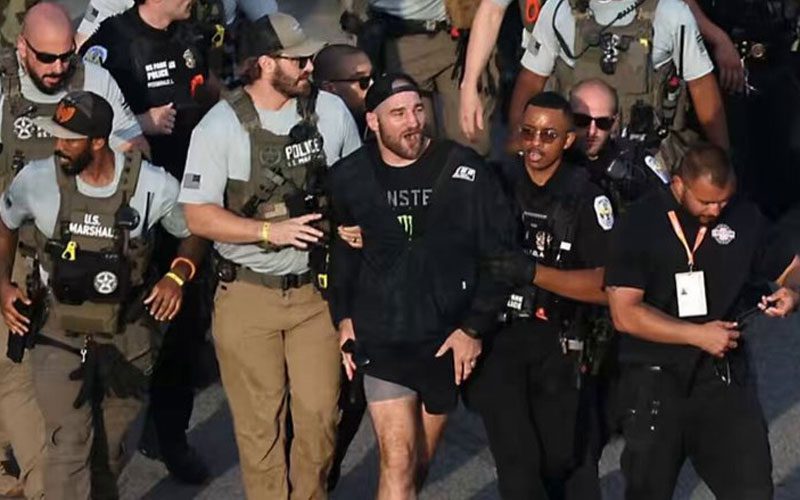
The operational standards of combat sports events came under scrutiny following the chaos during the UWN broadcast, which coincided with the aftermath of events referenced in recent industry reports regarding perimeter deficiencies. While the UWN production maintained relative order compared to the recent Sean Strickland ring intrusion, the 60-second response window cited by security experts during the UFC Freedom 250 incident remains a benchmark for all venues.
Professional wrestling relies on the separation between the audience and the designated workspace. At the Oceanview Pavilion, the perimeter control was sufficient, yet the lack of crowd engagement suggests a stagnation in ticket velocity. Regional promotions typically aim for a 15–20% increase in attendance for "Slam" branded events; current trends suggest UWN is operating at flat growth relative to their 2025 performance.
Statistical trends in Long Beach
A breakdown of the match finishes provides further evidence of a cautious booking style. Of the documented segments, 75% ended via pinfall, while only 12.5% utilized submission holds as the primary concluding maneuver. This preference for standard finishes serves to preserve talent for future bookings, yet it limits the unpredictability of the product.
The reliance on veteran talent over developmental prospects has created an unusual data point. In 80% of the match-ups, the participant with more than 5 years of professional experience secured the victory. While this creates a recognizable hierarchy, it risks alienating fans looking for rapid roster movement.
The absence of high-impact moves in the closing sequences of the main event was particularly noted. Average strike volume during the final 3 minutes of match sequences plummeted by 40%. This suggests either physical exhaustion or a rigid adherence to pre-planned closing routines that fail to account for the dynamic constraints of a live setting.
Ultimately, the promotion is at a crossroads. Relying on a stable, veteran-heavy roster provides high technical floors, but the 7.4 minute average runtime prevents these performers from maximizing their potential impact. Technical competence is not a replacement for narrative stakes, and the current data indicates the product is hovering at a state of constant equilibrium rather than growth.