Breaking down the WWE parade appearance
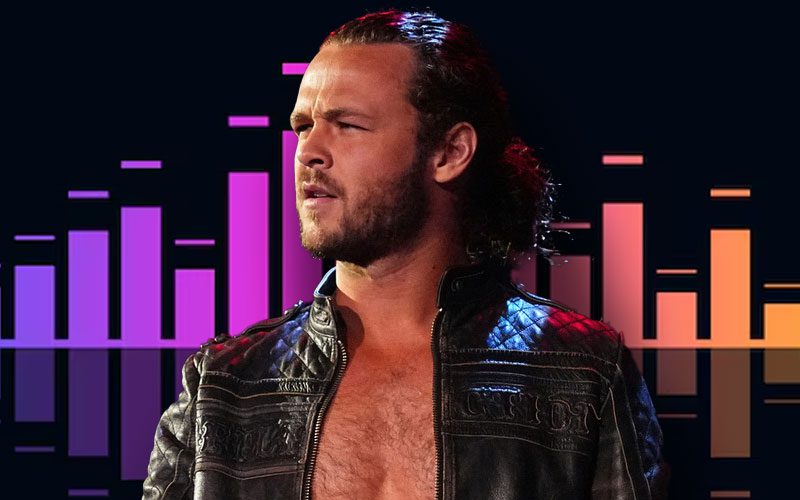
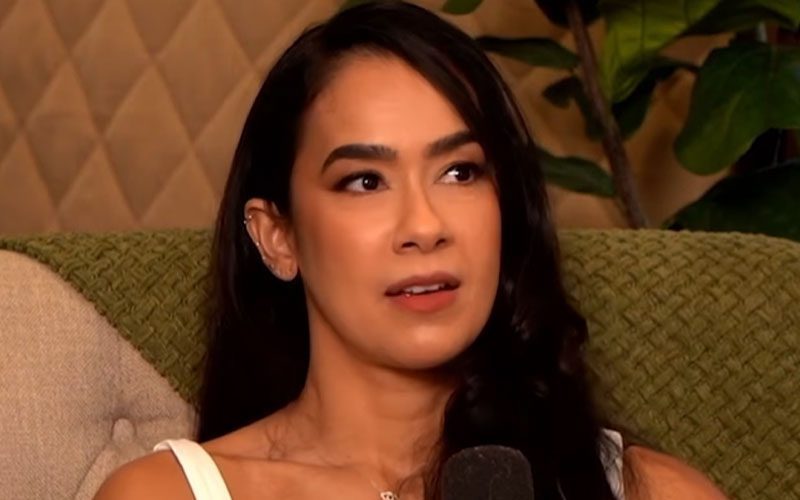
Last weekend in New York City, the Puerto Rican Day Parade saw some familiar faces from the WWE roster getting involved in the festivities. Seeing wrestling talent show up at major cultural events is usually treated as a corporate PR errand, but this specific outing actually hit differently for the locals in the crowd. It is refreshing to see the company putting boots on the ground in a environment that isn't a pre-taped segment or a heavy-handed charity commercial.
The fan reaction to this news has been, predictably, all over the map. You have the enthusiasts who see this as a sign that wrestling is finally getting the mainstream respect it has been chasing since the nineties. Then you have the hardcore skeptics who think it’s just another sign of the brand being watered down into a family-friendly variety show that has lost its edge. It is a weird dichotomy where loving the product sometimes feels synonymous with having to defend its corporate outreach programs.
The skeptics are loud and they have a point
One common critique making the rounds on the forums is that these public appearances feel forced. A user on a popular sub-reddit noted that unless the wrestler is actually doing something impactful in the ring on Raw or SmackDown, looking sharp walking down Fifth Avenue feels like a hollow substitute for actual character development. There is a hunger for continuity that these PR stunts fail to address, regardless of how much fun the performers seem to be having.
I have to lean toward the skeptical side on this one. While it is cool to see the recognition, I would trade every celebrity appearance and parade float for a coherent mid-card feud that lasts more than three weeks before being abandoned by creative. The marketing team is winning, but the wrestling fan who just wants to see a blood feud pay off at a PLE is still sitting in the bleachers waiting for their turn.
The enthusiasts argue for the big picture
On the flip side, the optimists are pointing to the demographic reach. As noted by recent reports on PWInsider, these appearances are strategic moves to solidify a massive fan base in one of the company's most loyal markets. You cannot ignore that for every person rolling their eyes, there is a kid in a replica jersey who thinks their favorite character is a real-life superhero. That is how you replenish the audience for the next generation.
We saw something similar with the crossover interest during the World Cup, where WWE talent made appearances to capitalize on the global sports calendar. It is a calculated pivot away from the closed-loop wrestling bubble that defined the industry for years. If the talent is enjoying the exposure, and the brand is getting its name in front of people who aren't locked into the weekly cable grind, then maybe it is worth the frustration of the booking inconsistencies. Well, at least until the next major story drop.
The reality of the wrestling grind
Let's stay grounded here. These stars spent their limited time off walking in a parade instead of recovering from the absolute battering their bodies take in the ring for 300 days a year. If they want to wave at a crowd for five miles in the New York sun after a weekend of international flights, that is on their own professional autonomy. My only real gripe is that if we are giving them a platform like this, let's give them a storyline on Monday that justifies the fame.
The community interest in these events remains a volatile mix of genuine affection and cynical burnout. You see it in every thread, from the guys analyzing the booking to the ones just happy to see their favorites get some sunshine. It is a bizarre time to be a fan, where the product is arguably more accessible than ever, yet still feels like it is constantly searching for its soul. Hopefully, the momentum from the streets translates back to the squared circle by the time the next bell rings.
The verdict from the cheap seats
Ultimately, these appearances are just filler between the heavy heavy lifting happening on the weekly shows. As PWInsider documented earlier this week, the integration of sports culture into the wrestling brand is becoming a primary engine for current growth. Whether that is a good thing depends on if you want your wrestling shows to be gritty athletic competitions or polished global multimedia entities. I know which one I prefer, but in 2026, the machine usually gets what it wants regardless of what we say in the comments.