Measuring the spectacle behind the numbers
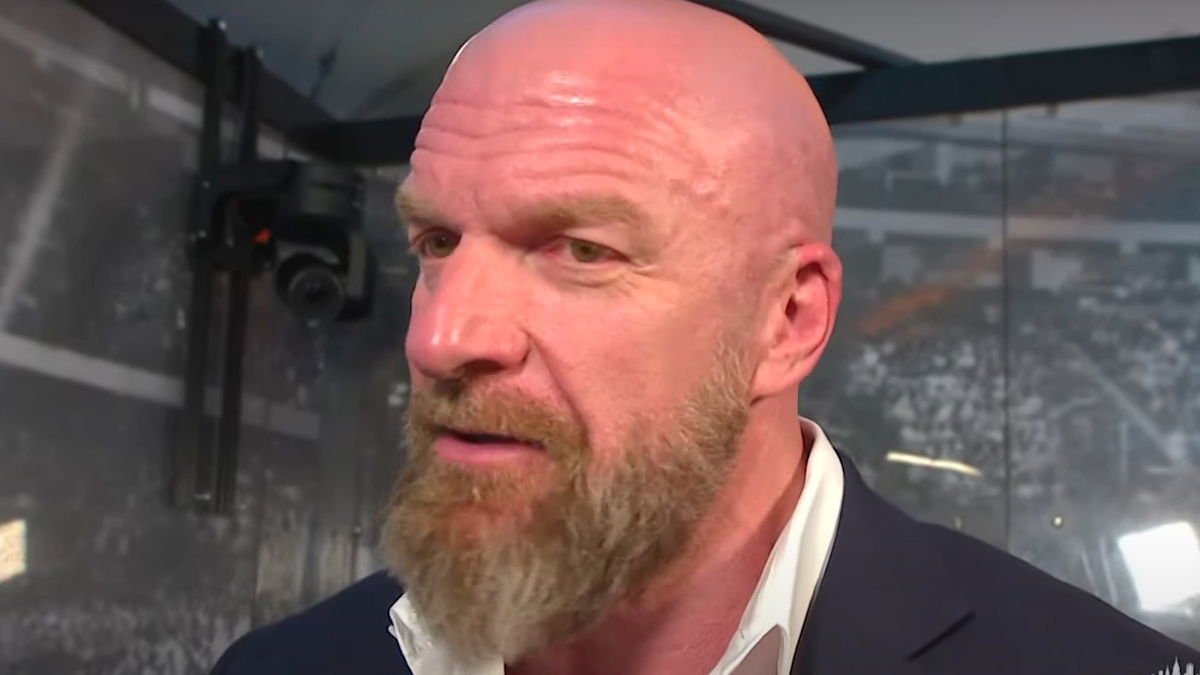
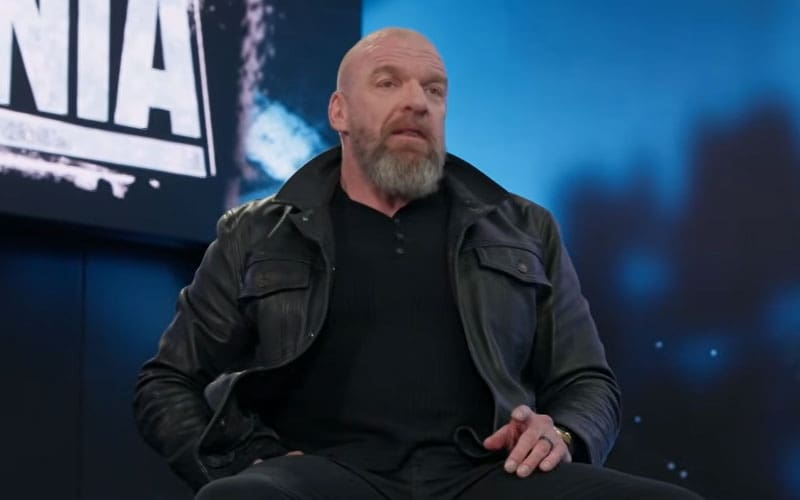
As WrestleMania 41 approaches on April 19, the standard metrics of success are shifting. Triple H has publicly stated that the event's overall success depends on the retention of casual viewers watching via the ESPN broadcast. This marks a departure from focusing exclusively on the internal fanbase that sustains the weekly product.
The logistical preparation for these events now triggers long before the final bell. According to comments provided by Triple H, the planning for subsequent iterations begins before he even vacates the Gorilla position. This requires a ruthless efficiency in booking to ensure the 16-match average typical of modern two-night events lands with the necessary gravity for new, mainstream audiences.
The evolution of the WrestleMania PSA
The marketing strategy for this year’s installment has leaned heavily into direct engagement. Drew McIntyre recently released a public service announcement, a move that serves as a statistical bellwether for fan expectation management. By using these direct-to-consumer outreach methods, WWE is attempting to lower the barrier for non-traditional viewers while sustaining a high volume of anticipation.
Defining the success of the Gorilla position era
The reliance on the Gorilla position for real-time adjustments remains a double-edged sword. While it allows for rapid response to crowd fatigue—a common issue in events lasting over 7 hours per night—it can also lead to a diluted storytelling arc. If the pacing deviates from the established tempo, the engagement drop-off on streaming platforms is usually immediate.
Historically, the transition from episodic TV to major PLE events shows a significant dip in viewer sentiment if the openers stall. For WrestleMania 41, the window for technical excellence is compressed. With the event starting in 4 days, the focus shifts to whether this ESPN integration can actually expand the market share or if it serves merely as a temporary inflated figure.
Performance execution is the only metric that remains constant. Whether it is a top-rope maneuver or a submission hold, the timing accuracy in these high-intensity environments dictates the flow. If the match durations exceed the projected 22-minute segment windows, the ripple effect on the production schedule can result in truncated main events.
We are watching a shift from a product designed for the diehard to one engineered for the casual observer. It is a risky pivot. If the in-ring work fails to meet the expectations set by the McIntyre-led marketing, the brand risk for future PLEs increases significantly.
Read Next
- WrestleMania 41 is a chaotic sprint to the finish line
- CM Punk and Triple H: A Truce Forged in Business, Not Friendship?
- Gunther vs. Goldberg: The Phantom Main Event That Almost Broke the Internet (And Probably Gunther's Chest)
- The 10 WrestleMania Moments That Forged an Era
- 🏆 WrestleMania 41 — Full Coverage Hub