Corporate shifts behind the curtain
The latest round of internal promotions at WWE, as reported by PWInsider, paints a very specific picture of where the company is putting its weight. We aren't talking about creative staff or road agents getting a nudge; we are looking at administrative layers being reinforced. The move suggests that as we hit April 1, 2026, the focus has shifted entirely toward operational stability rather than creative experimentation.
This is a tactical choice. When a company front-loads management roles weeks before their biggest event of the year, it indicates they are prioritizing the logistical machine of WrestleMania 41. They need the backend of the business to run without a single hiccup while the spotlight is brightest in Las Vegas.
The creative gap remains an issue
Despite the high-level corporate maneuvering, there is a tangible restlessness among the fanbase regarding the actual product. You can hire all the senior vice presidents you want, but they don't call the spots or script the promos. The current creative direction lacks the momentum typically required to make a two-night event like WrestleMania feel like a mandatory viewership experience.
We are just 18 days away from Night 1, and the booking for the mid-card feels uninspired. The Reliance on established veterans to carry the weight of the main event segments is masking a thin bench. If you look at the last quarter of television, the reliance on prolonged talk segments to fill three-hour windows has become a glaring efficiency flaw.
The WrestleMania 41 booking mandate
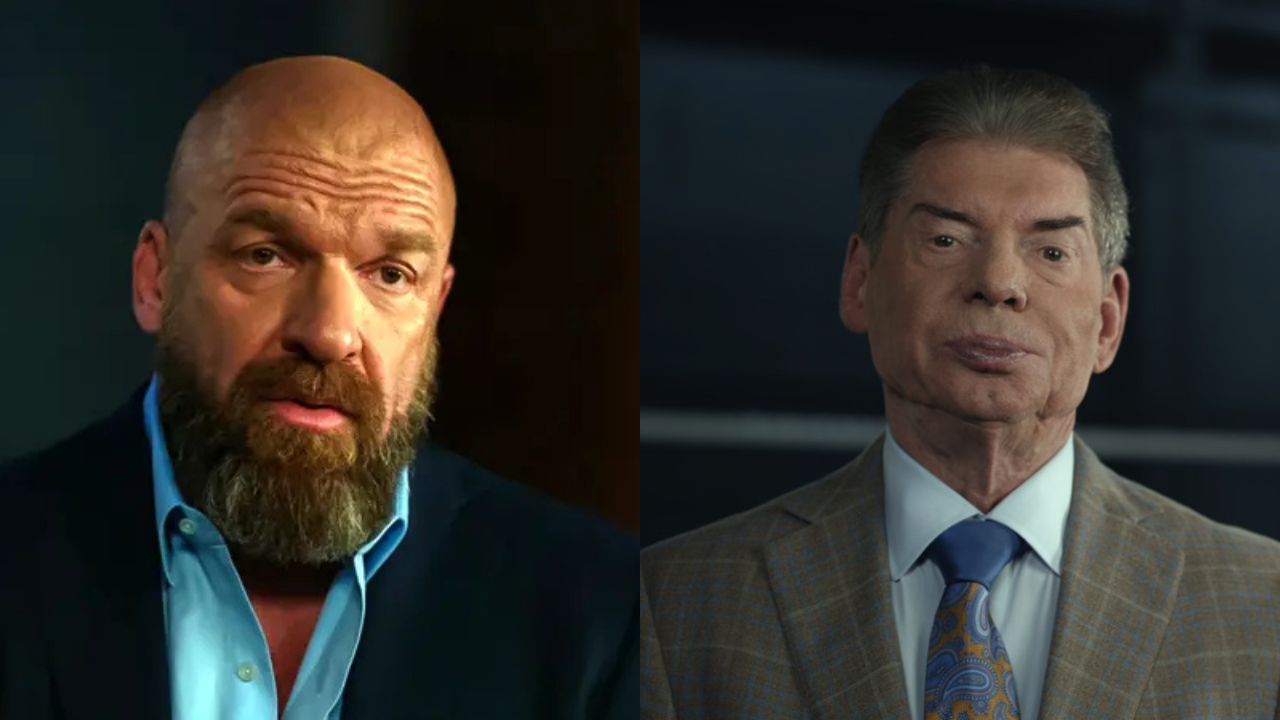
My prediction for the coming weeks is simple: we are going to see a massive pivot toward high-concept, stunt-heavy matches to mask the thinness of the current storylines. Triple H and his team aren't going to fix the narrative pacing in under three weeks, so they will lean into spectacle. Expect to see extreme stipulations added to the secondary feuds by the April 13th episode of Raw just to generate social media buzz.
The company is betting that the sheer scale of the card will outweigh the lack of narrative stakes. If the match quality hits, nobody points to the internal promotion structure. If a major match stumbles, the blame will inevitably fall on the creative department, regardless of how many VPs they promoted in early April. It is a high-risk strategy that relies on the performers being able to carry a product that feels increasingly detached from long-term character development.
Ultimately, WWE is running lean and fast. This is a company operating as a media conglomerate first and a wrestling promotion second. We will see the result on April 19, when the first bell rings to a projected crowd of 80,000 fans. I expect the production quality to be flawless, but the emotional payoff will likely fall short of the high bar set in previous years.